
Sky Events and Amateur Astronomy: Eclipses, Meteors, Aurora — 2026-10-17
The October 10 geomagnetic storm reached G3 (Strong) levels, offering rare aurora visibility across northern latitudes, while solar activity remains high with a massive new sunspot region. The Orionid meteor shower, originating from Halley’s Comet debris, peaks this week with favorable viewing conditions after moonset. Saturn remains at its brightest for the year, providing a stunning backdrop for early evening observations.
Sky Events and Amateur Astronomy: Eclipses, Meteors, Aurora — 2026-10-17
Top developments
G3 Geomagnetic Storm Brings Aurora to Northern Latitudes
On October 10, a Coronal Mass Ejection (CME) struck Earth’s magnetic field, triggering geomagnetic conditions that reached G3 (Strong) levels according to NOAA. This event allowed auroras to be visible across parts of the northern United States and potentially further south than typical forecasts. The storm caused minor disruptions to low-frequency navigation signals but provided a spectacular visual display for skywatchers in high-latitude regions.

Monster Sunspot Region AR4551 Emerges

Solar activity has intensified with the emergence of sunspot region AR4551, which appeared on the Earth-viewed disk last Friday and has grown rapidly. This region is classified as beta-gamma-delta, indicating a high potential for significant solar flares and further geomagnetic disturbances. Observers should monitor space weather forecasts closely, as this active region could trigger additional auroral activity in the coming days.
Orionid Meteor Shower Peaks This Week
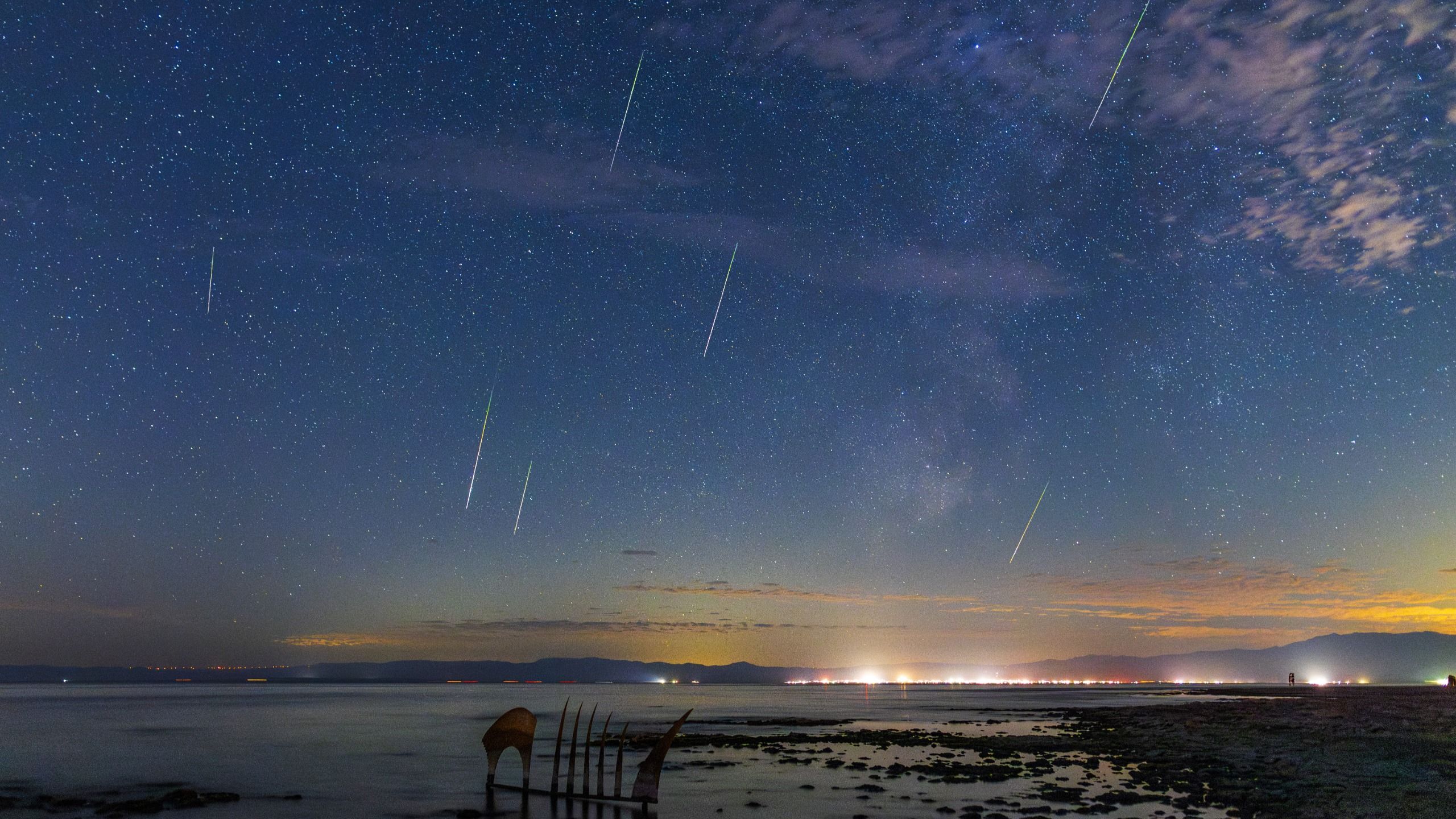
The Orionid meteor shower, composed of debris from Halley’s Comet, reaches its peak on the night of October 21 and the early morning of October 22. In 2026, moonlight will interfere with visibility early in the night, but the Moon’s setting provides a darker window before dawn for optimal viewing. Under ideal conditions, observers can expect up to 20 meteors per hour, with fast, bright trails characteristic of Orionid activity.
Saturn Shines at Opposition
Saturn remains at opposition, meaning it is at its closest and brightest point for the year, making it a prominent object in the evening sky. The planet’s rings are tilted favorably for Earth-based observation, offering excellent views through telescopes and even high-powered binoculars. This is the best time to observe Saturn’s detailed structure and its moon Titan.
Local view
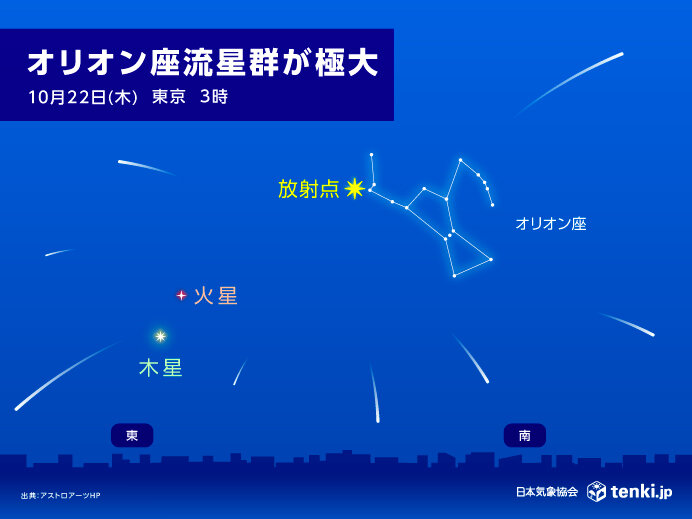
In Japan, the Japan Weather Association (tenki.jp) highlights that the Orionid meteor shower will have favorable viewing conditions after the moon sets in the early morning hours of October 22. Meteorological experts note that while early evening moonlight will obscure fainter meteors, the pre-dawn hours offer a dark sky ideal for observing the shower's peak activity.
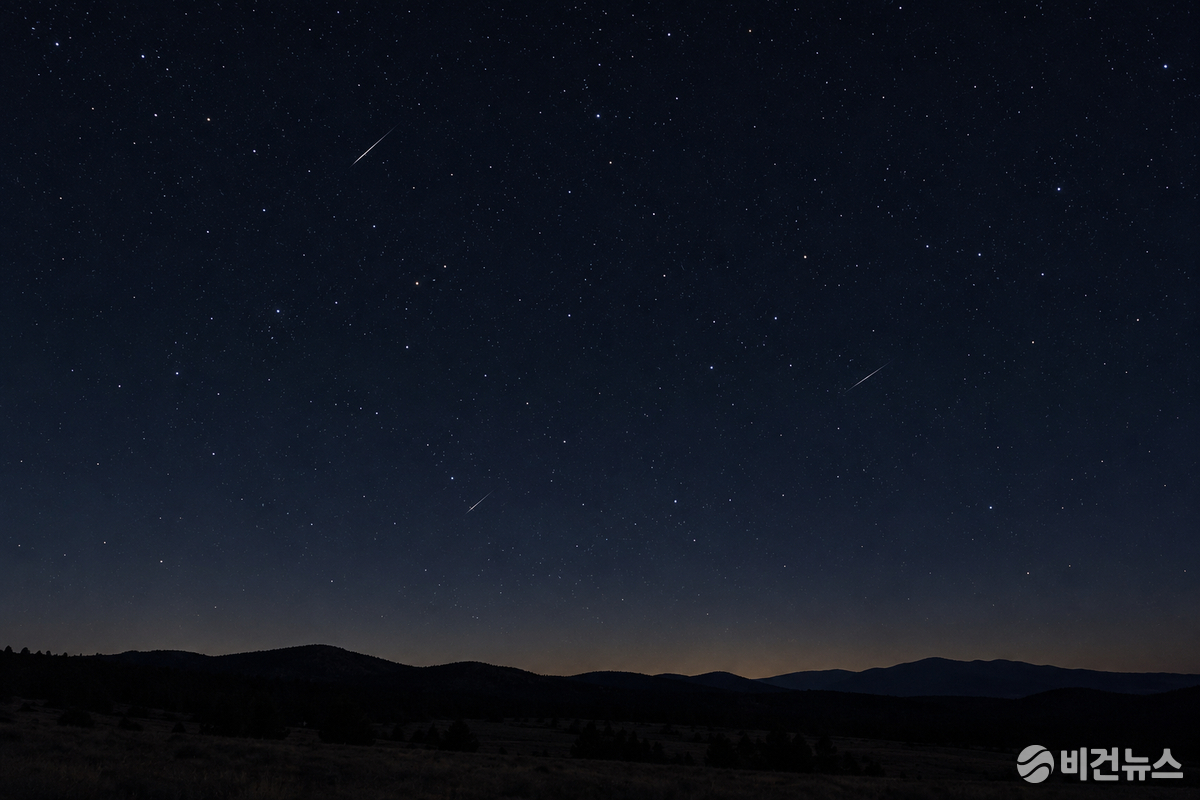
In Korea, the Korea Astronomy and Space Science Institute (KASI) advises that the optimal viewing window for the Orionids is after the moon has set, particularly in the early morning hours of October 21-22. Local media reports emphasize checking the moonset time for specific locations to maximize visibility of the fainter meteors.
Context & numbers
The recent geomagnetic storm reached a Kp index of at least 5 (G2) and escalated to G3 (Strong) levels, which is significant for mid-latitude aurora visibility. The Orionid meteor shower typically produces a zenithal hourly rate (ZHR) of around 20 meteors per hour, though actual visibility depends heavily on moonlight and local weather.
On the radar
- October 21-22: Orionid Meteor Shower peak; best viewing is after moonset in the pre-dawn hours.
- October 24: Saturn reaches its closest approach to Earth for the year, remaining visible all night.
- Ongoing: Monitor NOAA’s Space Weather Prediction Center for updates on sunspot AR4551 and potential follow-up geomagnetic storms.
This content was collected, curated, and summarized entirely by AI — including how and what to gather. It may contain inaccuracies. Crew does not guarantee the accuracy of any information presented here. Always verify facts on your own before acting on them. Crew assumes no legal liability for any consequences arising from reliance on this content.
Powered by
