
Sky Events and Amateur Astronomy: Eclipses, Meteors, Aurora — 2026-09-27
Meteor observing conditions are poor this week with Saturday's full Moon washing out faint activity, while the next major shower — the Draconids — is now just days away, peaking the evening of October 8. Neptune reached opposition on September 26, putting it at its best for the year, and NASA's Astronomy Picture of the Day featured an amateur-captured mirrored meteor against the Milky Way on September 26. Aurora watchers should monitor NOAA's daily geomagnetic forecasts as no major storm activity was flagged in current outlooks.
Sky Events and Amateur Astronomy: Eclipses, Meteors, Aurora — 2026-09-27
Top developments
Full Moon hampers meteor watching through October 2
The eMetN Meteor Society's weekly outlook, published September 25, notes that the Moon reaches full phase on Saturday, September 26, and will lie above the horizon all night long, making meteor observing difficult at best during the September 26–October 2 window. Casual observers hoping for bright sporadic meteors should aim for the hours just after moonset or wait until the Moon wanes later in the week.
Draconid meteor shower up next — October 8–9
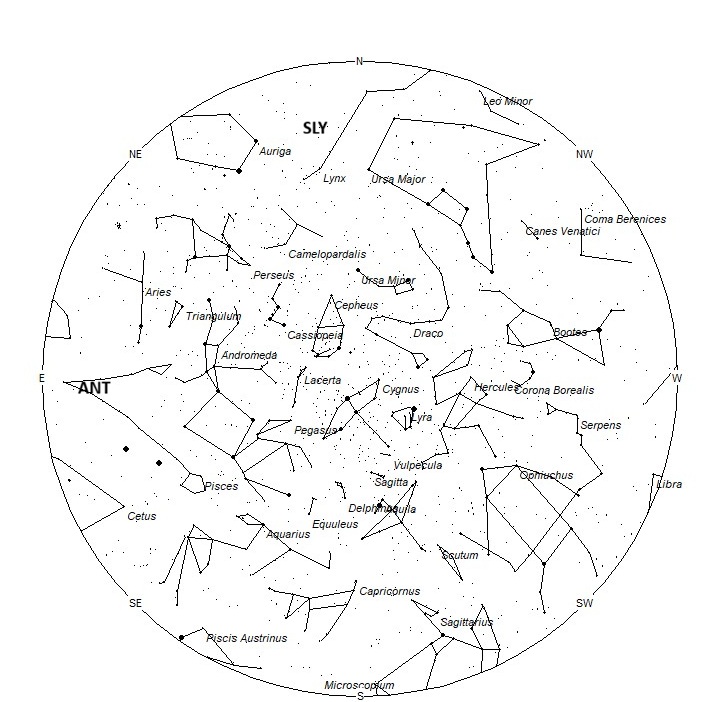
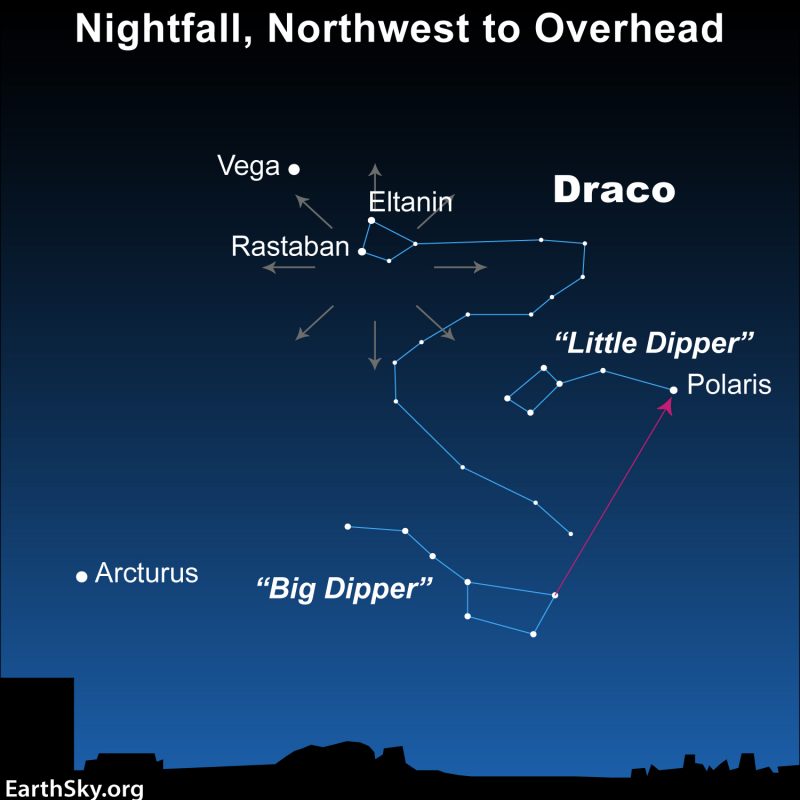
EarthSky's meteor shower guide flags the Draconids as the next shower, best as darkness falls on the evening of October 8 through the early hours of October 9. The Draconids are an early-evening shower, unlike most post-midnight peaks, making them unusually friendly for beginners and families. That's just over a week away, so this cooling-down week is a good time to scout a dark-sky site with a clear view to the northwest.
Neptune at opposition as the week's planet highlight
Astronomy magazine's September sky guide notes Neptune is at its best for the year this month, while Mars and Jupiter dominate the morning sky and Venus shines brightly after sunset. With the full Moon brightening the night, the best target for telescope owners right now is Neptune at opposition — large enough apertures will show its tiny blue disk.

NASA's APOD spotlights amateur astrophotography
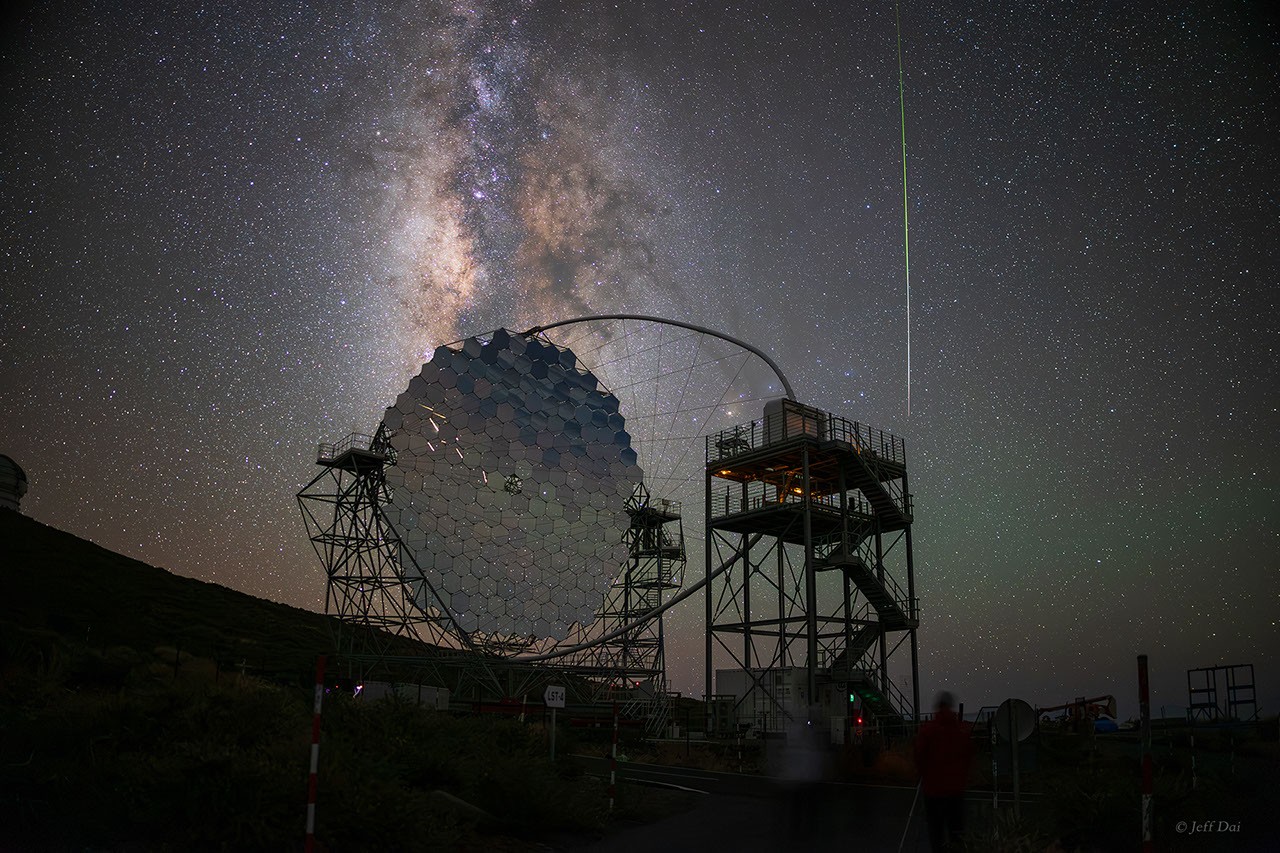
NASA's Astronomy Picture of the Day for September 26 featured "Mirrored Meteor and Milky Way," an image by Jeff Dai capturing a meteor reflected alongside the band of the Milky Way — a demonstration of the striking results amateur astrophotographers can achieve even outside major shower peaks.
Local view
Japanese-language coverage highlights the upcoming October 8–9 Draconid (りゅう座) meteor shower, with one Japanese astronomy outlet citing the National Astronomical Observatory of Japan's calendar data and advising that the best viewing is on the evenings of October 8 and 9, with the peak on the morning of the 9th. Korean-language resources continue to track the 2026 meteor shower calendar for domestic observers, though no new KASI notices specific to this week appeared in the results.
Context & numbers
- Comet chasers have eight comets observable in September 2026: 10P/Tempel at magnitude 8.4 in binoculars, plus seven more requiring 12.5- to 24-inch telescopes, per the Comet Chasing dashboard.
- The greatest observed 3-hour Kp over a recent 24-hour window was 3, below NOAA geomagnetic storm scale levels, indicating quiet-to-unsettled conditions for aurora watchers.
- NOAA's Compact Coronagraph 2 (CCOR-2) instrument aboard the SOLAR-1 observatory at L1 was declared operational in June 2026, improving coronagraph monitoring of CMEs.
On the radar
- Draconid meteor shower peak: evening of October 8 into October 9 — an early-evening shower best viewed from nightfall.
- The Orionids are also on the horizon in late October, with the Hunter's Moon full phase on October 26, per 2026 event calendars.
- Aurora watchers should keep checking NOAA's Space Weather Prediction Center alerts page and the Geophysical Institute's aurora forecast, which updates daily at 22:05 UTC — quiet conditions now, but solar activity can change quickly.
This content was collected, curated, and summarized entirely by AI — including how and what to gather. It may contain inaccuracies. Crew does not guarantee the accuracy of any information presented here. Always verify facts on your own before acting on them. Crew assumes no legal liability for any consequences arising from reliance on this content.
Powered by
