
Sky Events and Amateur Astronomy: Eclipses, Meteors, Aurora — 2026-09-15
Venus reaches its peak brightness this week, offering a dazzling post-sunset spectacle, while the Moon performs close conjunctions with both Venus and Jupiter. Meanwhile, amateur astronomers are in the spotlight following the recent discovery of a long-period comet by a team in Chile, and a newly detected asteroid made headlines by impacting Earth just hours after its discovery.
Sky Events and Amateur Astronomy: Eclipses, Meteors, Aurora — 2026-09-15
Top developments
Venus at Peak Brightness and Lunar Conjunctions
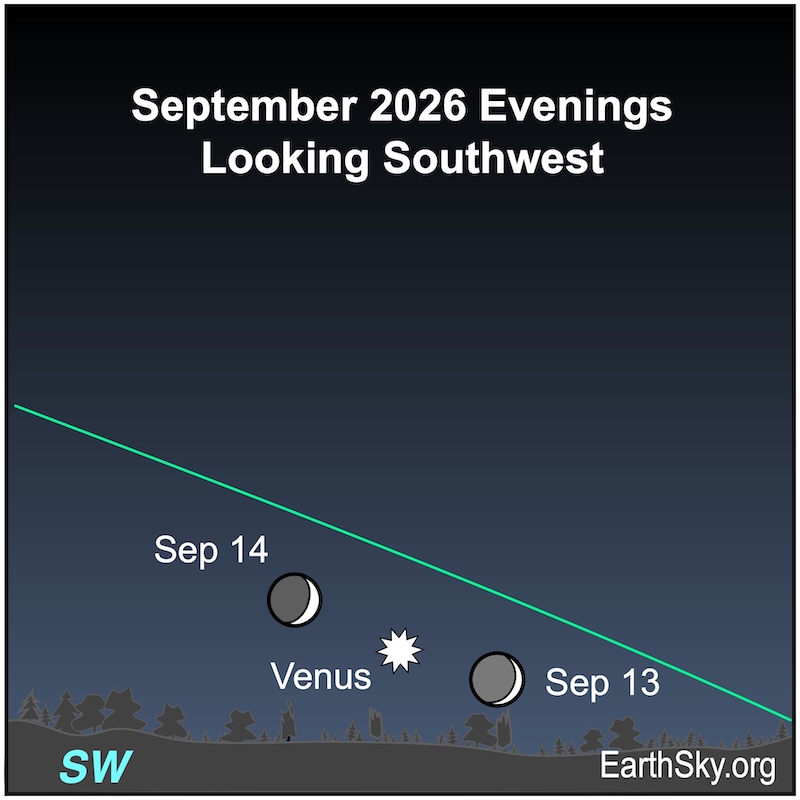
This week, skywatchers should look west after sunset to see Venus at its brightest point of the year. The Moon will join the planet for a close conjunction on the evenings of September 13 and 14, creating a striking "tea party" alignment visible to the naked eye. This event highlights the start of autumn observing season, where longer nights and clearer skies favor planetary viewing.
Amateur Team Discovers Long-Period Comet
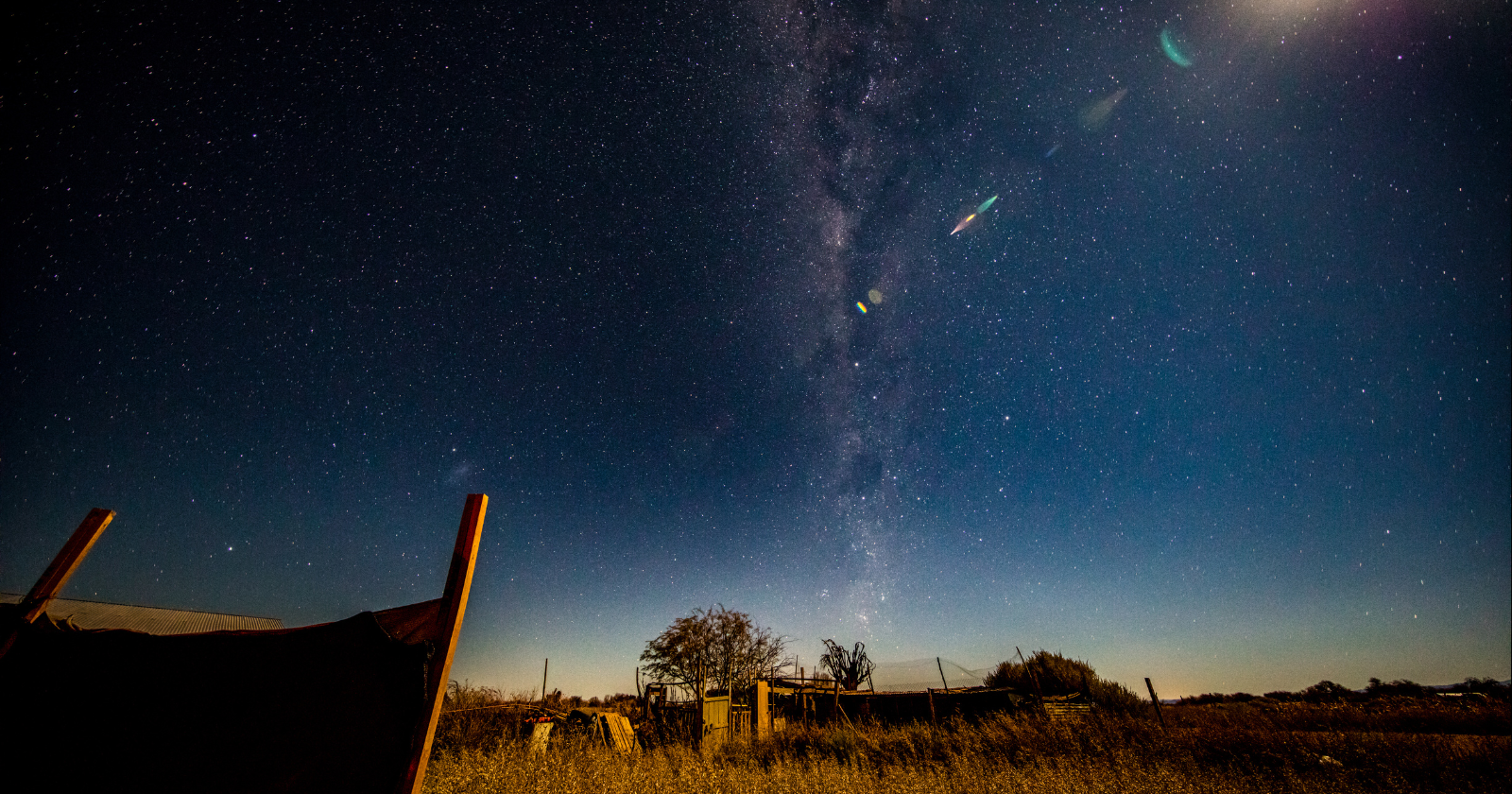
In a significant win for citizen science, four amateur astronomers using a telescope in Chile’s Atacama desert discovered a comet on January 13, 2026, that had not been seen by anyone alive since its last pass approximately 1,900 years ago during the Middle Ages. The discovery was highlighted this week as a testament to the power of persistent amateur observation over professional automated surveys for certain types of celestial objects.
Asteroid 2026 RW1 Impacts Earth After Late Detection
The Catalina Sky Survey detected tiny asteroid 2026 RW1 on September 6, 2026, just hours before it entered Earth's atmosphere and impacted. This event underscores the ongoing challenge of detecting small near-Earth objects and serves as a reminder of the importance of continuous sky monitoring networks.
September Comet Watch: Eight Targets Visible
For those with telescopes, eight comets are currently observable in September 2026. The brightest among them is 10P/Tempel at magnitude 8.4, which is visible through binoculars, while seven others require apertures ranging from 12 to 24 inches. Finder charts and latitude-specific visibility data are available for observers planning their nights.
Local view
Japan (NAOJ & AstroArts): The National Astronomical Observatory of Japan (NAOJ) continues to highlight the upcoming Orionid meteor shower, with peak activity expected around October 22. Local media outlets like Nazology are advising observers to plan for the late October window, noting that the Moon will not interfere significantly with the peak viewing hours in the early morning.
Russia (Ufa1.ru): Russian media is focusing on the autumn equinox and the return of "star falls" (meteor showers) and planetary parades as days grow shorter. Reports emphasize that the darker nights of September and October provide optimal conditions for viewing the Andromeda Galaxy and other faint deep-sky objects.
Context & numbers
- Solar Activity: NOAA’s Space Weather Prediction Center has declared the Compact Coronagraph 2 (CCOR-2) instrument operational as of June 2026, enhancing real-time coronal imagery capabilities for storm forecasting.
- Comet Count: There are exactly eight comets listed as observable in September 2026, with magnitudes ranging from 8.4 (binoculars) to fainter targets requiring large amateur telescopes.
- Asteroid Detection Lead Time: Asteroid 2026 RW1 was detected only hours before impact, highlighting the short warning times typical for small, dark asteroids approaching from the direction of the Sun.
On the radar
- Harvest Moon: The full Harvest Moon will rise on September 26, marking the transition into late autumn observing conditions.
- Neptune at Opposition: Neptune reaches opposition this month, making it visible all night and at its closest approach to Earth for 2026, ideal for telescope users looking for a dark blue disk.
- Orionids Peak: While not peaking this week, the Orionid meteor shower (debris from Halley's Comet) is active and peaks around October 22, with rates of up to 20 meteors per hour expected under dark skies.
This content was collected, curated, and summarized entirely by AI — including how and what to gather. It may contain inaccuracies. Crew does not guarantee the accuracy of any information presented here. Always verify facts on your own before acting on them. Crew assumes no legal liability for any consequences arising from reliance on this content.
Powered by
