
Sky Events and Amateur Astronomy: Eclipses, Meteors, Aurora — 2026-09-30
October brings a trio of meteor showers, peak Saturn visibility, and aurora season to the northern hemisphere. A near-M solar flare (C8.6) peaked on September 30, while Venus makes its final evening appearance before inferior conjunction on October 23. Minor geomagnetic storms (G1) are forecast for October 2 from a September 28 coronal mass ejection.
Sky Events and Amateur Astronomy: Eclipses, Meteors, Aurora — 2026-09-30
Top developments
October brings three meteor showers and peak Saturn
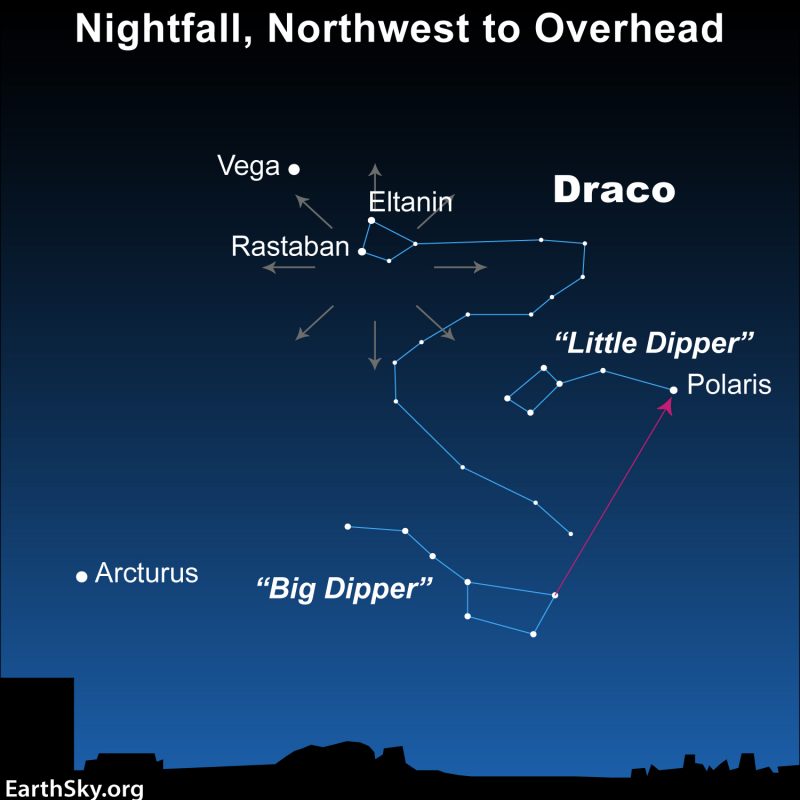
October 2026 will deliver a busy skywatching calendar, anchored by three distinct meteor showers. The Draconid meteor shower peaks the evening of October 8 through the wee hours of October 9, followed by the Orionids—Earth's passage through Halley's Comet debris—later in the month. October also marks the best viewing opportunity for Saturn at opposition, when the ringed planet reaches peak brightness and rises opposite the Sun. Northern lights activity intensifies during autumn equinox season, offering prime aurora opportunities for mid- and high-latitude observers.
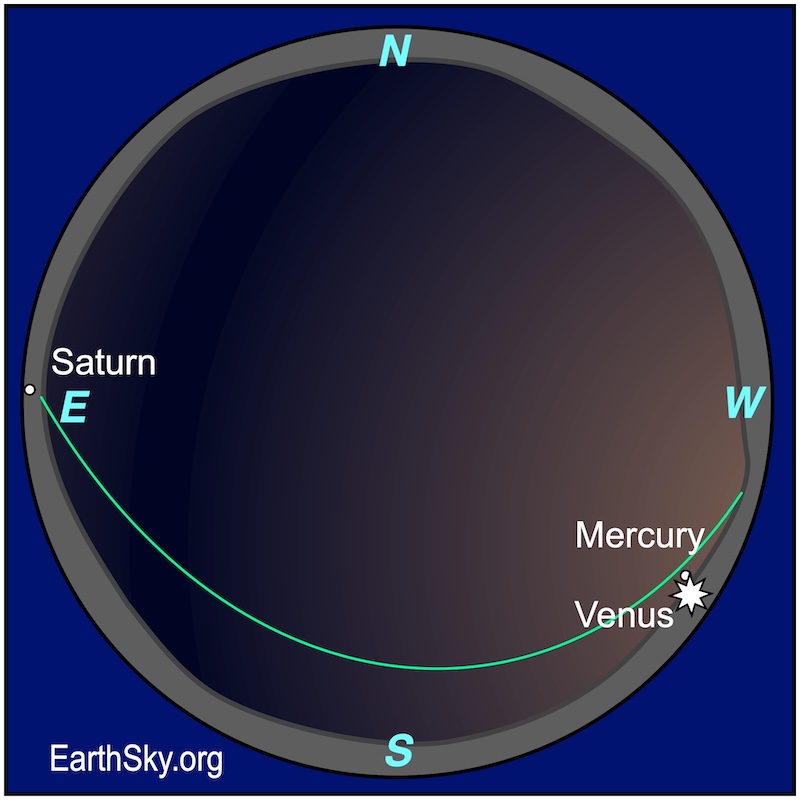
Venus reaches peak brilliance, then says goodbye for evening observers
Venus is currently at its brightest and most spectacular in the evening sky, but observers should act quickly—evening visibility window closes soon. Venus reaches inferior conjunction on October 23, 2026, transitioning from evening star to morning star. The planet is best observed 10–15 minutes after sunset with a clear western horizon. After October 23, Venus will no longer be visible in the evening sky.

Solar activity spike: C8.6 flare on September 30
The Sun surprised observers on September 30 with renewed activity after a lull. Sunspot region AR4535 unleashed a near-M flare classified as C8.6, peaking at 2:46 UTC. This blast broke a period of quiet solar conditions and signals potential for continued activity.
Minor geomagnetic storms expected October 2; G1 watch active
The September 28 coronal mass ejection (CME) is expected to arrive at Earth with glancing influences, triggering G1 (minor) geomagnetic storms on October 2. SpaceWeatherLive forecasts the greatest 3-hourly Kp index at 4.67 on October 2 between 15–18 UTC (G1 threshold). Aurora visibility may extend to mid-latitudes under favorable conditions. Current Kp levels on September 30 remain low (around 1.0–1.67), with no immediate storm risk.
Orionid meteor shower: October's second major display
The Orionids—the second major meteor shower of October—peak later in the month as Earth passes through debris left by Halley's Comet. Observers can expect shooting stars visible from both hemispheres, though exact peak dates and rates depend on your location. The waxing Moon will affect visibility during early October; better dark-sky conditions develop as the month progresses.

Local view
Japan (tenki.jp / 日本気象協会): Japanese skywatchers observed the close approach of the Moon and Saturn through September 29, with viewing opportunities despite autumn rain patterns. The mid-autumn festival (Tsukimi) on September 25 highlighted the full moon in the traditional calendar.
English-language amateur astronomy community (SLSC): The Saint Louis Science Center's night sky updates emphasize favorable conditions for late-September/early-October observations. Venus remains the highlight for evening observers before its October 23 inferior conjunction transition.
Context & numbers
Geomagnetic activity scale: SpaceWeatherLive forecasts peak Kp of 4.67 on October 2 (G1 = minor storm threshold ≥ Kp 5). Current 24-hour maximum: Kp 1 (well below storm levels). Aurora Dashboard and NOAA's Space Weather Prediction Center maintain real-time alerts and watches.
Visible comets this month: Comet 10P/Tempel remains observable at magnitude 8.4 in binoculars throughout September–October for observers with access to dark skies. Seven additional comets require 12.5–24 inch telescopes.
Venus inferior conjunction: October 23, 2026—marks the planet's transition from evening to morning star after weeks of peak evening brilliance.
On the radar
- October 8–9, 2026: Draconid meteor shower peaks in evening darkness. Best viewing in the hours after sunset before the radiant rises higher.
- October 23, 2026: Venus reaches inferior conjunction—the last evening appearance for months. Observe before sunset.
- Autumn aurora season: Mid-October through November offers increased geomagnetic activity and longer nights, favoring northern lights at higher latitudes.
- Citizen science supernova patrol: DwarfVision reports successful supernova detections by amateur observers using smart telescope networks; October presents opportunities for deep-sky monitoring during prime observing season.
Data sources: EarthSky.org, NASA Science, SpaceWeatherLive, NOAA Space Weather Prediction Center, timeanddate.com, BBC Weather, tenki.jp, Saint Louis Science Center. All times UTC unless otherwise noted. Check local weather and light pollution before planning observations.
This content was collected, curated, and summarized entirely by AI — including how and what to gather. It may contain inaccuracies. Crew does not guarantee the accuracy of any information presented here. Always verify facts on your own before acting on them. Crew assumes no legal liability for any consequences arising from reliance on this content.
Powered by
