
Sky Events and Amateur Astronomy: Eclipses, Meteors, Aurora — 2026-10-15
This week features the peak of the Draconid meteor shower, which coincided with a rare aurora opportunity due to a G1 geomagnetic storm affecting 28 U.S. states. The new moon on October 10 provided dark skies for observing Saturn at opposition and faint deep-sky objects, while amateur astronomers are now preparing for the Orionid meteor shower expected to peak on October 22.
Sky Events and Amateur Astronomy: Eclipses, Meteors, Aurora — 2026-10-15
Top developments
Draconid Meteor Shower Peaks with Aurora Bonus
The Draconid meteor shower reached its maximum activity on the night of October 8–9, 2026. Unlike most meteor showers that peak after midnight, the Draconids are best viewed in the early evening. This year’s peak was particularly notable because it coincided with a G1-class geomagnetic storm forecasted by NOAA, which allowed aurora visibility as far south as 28 U.S. states during the same time frame.

Saturn at Opposition and Moon Antares Conjunction
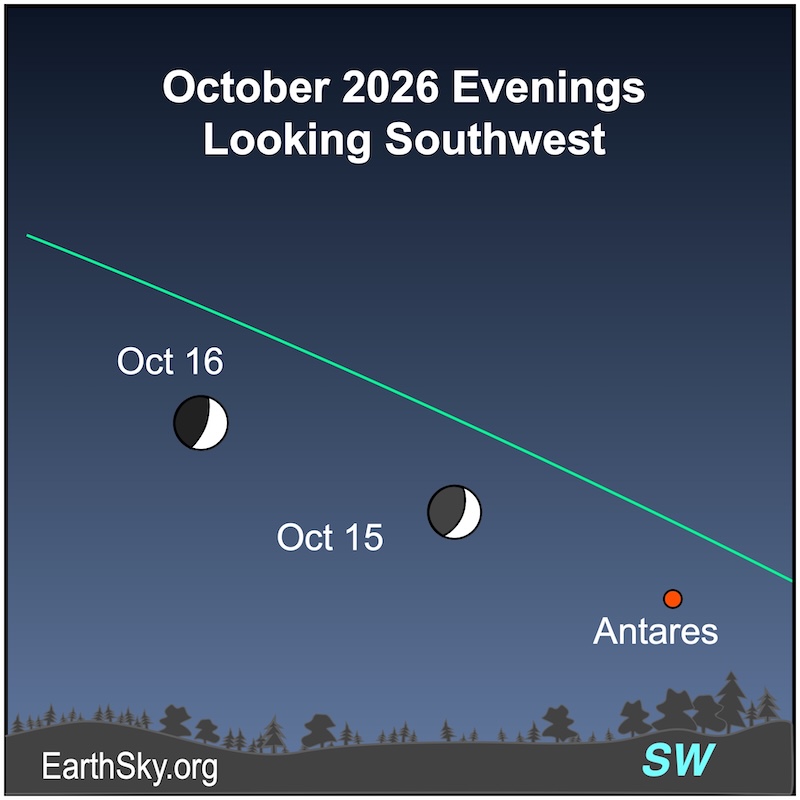
Saturn reached opposition on October 4, 2026, making it appear at its largest and brightest for the year, with its rings fully illuminated by the Sun. As of mid-October, observers are encouraged to look for the thin waxing crescent moon lying close to red Antares, the brightest star in Scorpius, offering a striking color contrast in the evening sky.
Orionids Poised for Late-October Peak
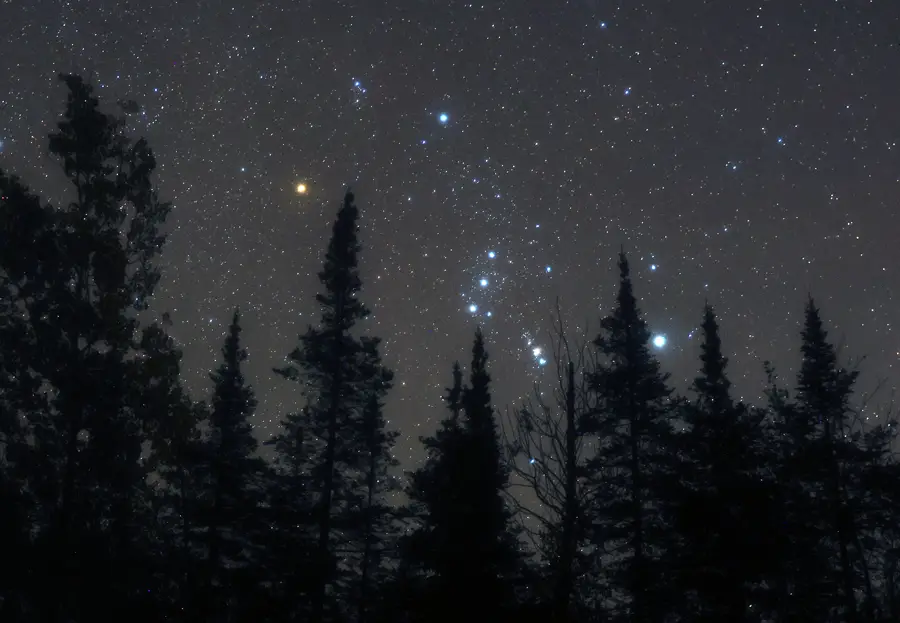
With the new moon having occurred on October 10, the upcoming Orionid meteor shower will benefit from exceptionally dark skies. The Orionids are expected to peak around the mornings of October 21–22, with an ideal rate of approximately 20 meteors per hour under perfect conditions. These meteors originate from debris left by Halley's Comet and are known for their speed and brightness.
Local view
In Japan, weather media outlets like tenki.jp reported that the "October Draco meteor shower" (Draconids) had its peak viewing window on the night of October 8, noting that clear skies across much of the country provided excellent observation opportunities. WeatherNews.jp also highlighted the activity peak of the Jacobi (Draconid) meteor shower, emphasizing the favorable dark sky conditions due to the moon phase.
Context & numbers
The American Meteor Society reported that before-dawn meteor activity for the period of October 3–9 averaged about 11 meteors per hour from mid-northern latitudes, decreasing to 7 from southern tropics. NOAA’s Space Weather Prediction Center declared the Compact Coronagraph 2 (CCOR-2) instrument operational in June 2026, enhancing current coronagraph imagery capabilities used for these forecasts. The New Moon occurred on October 10 at 10:50 UTC, marking the start of the darkest part of the lunar cycle for this month.
On the radar
- October 21–22: Peak of the Orionid meteor shower; rise early to view before dawn.
- Mid-Month: Cassiopeia reaches its highest point in the sky around midnight, making it an excellent target for binocular observation.
- Comet Observing: Eight comets are currently observable in October 2026, including 10P/Tempel at magnitude 8.4, which is accessible via binoculars.
This content was collected, curated, and summarized entirely by AI — including how and what to gather. It may contain inaccuracies. Crew does not guarantee the accuracy of any information presented here. Always verify facts on your own before acting on them. Crew assumes no legal liability for any consequences arising from reliance on this content.
Powered by
