
SpaceX Starship: Flights, Licences and Starbase — 2026-10-06
SpaceX successfully achieved its first orbital insertion with Starship Flight 14 on September 28, deploying 26 Starlink V3 satellites despite a single Raptor engine failure. In regulatory news, the FAA has initiated a Supplemental Environmental Impact Statement (SEIS) for Starship operations at Cape Canaveral’s Space Launch Complex 37, while local Mexican media report ongoing environmental concerns and debris issues at Playa Bagdad.
SpaceX Starship: Flights, Licences and Starbase — 2026-10-06
Top developments
Starship Flight 14 Achieves First Orbital Insertion and Starlink Deployment
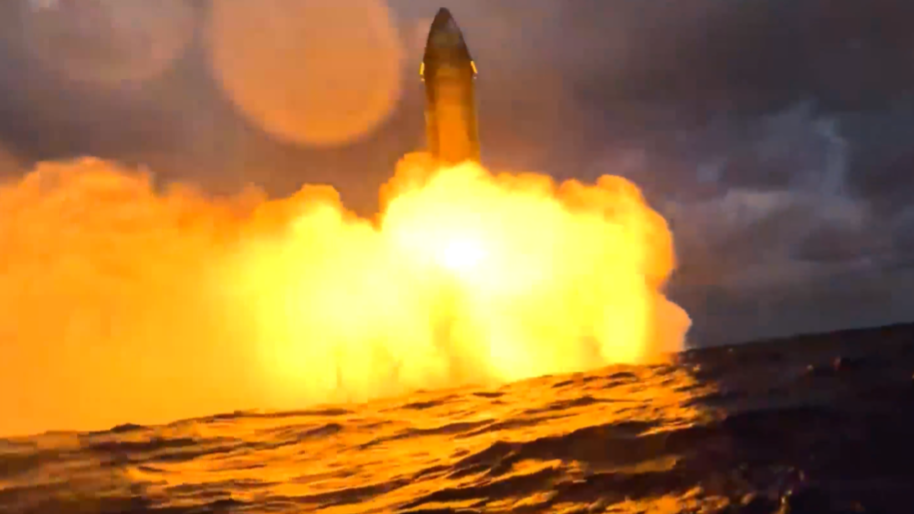
On September 28, 2026, SpaceX’s Starship Flight 14 successfully reached Earth orbit for the first time, marking a critical milestone for the V3 vehicle architecture. The mission deployed all 26 Starlink V3 satellites, although the ship experienced an engine failure during ascent that forced an early return to Earth. Despite the early deorbit, the successful orbital insertion and payload deployment validate the system's ability to reach operational altitudes, a prerequisite for future commercial and NASA missions.
FAA Opens Public Scoping for Starship Operations at Cape Canaveral SLC-37
The Federal Aviation Administration (FAA) announced on September 29, 2026, its intent to prepare a Supplemental Environmental Impact Statement (SEIS) for SpaceX’s proposal to modify its license for Starship-Super Heavy operations at Space Launch Complex 37 (SLC-37) at Cape Canaveral Space Force Station. This move signals a formal regulatory step toward establishing a second active Starship launch site in Florida, complementing the Texas-based Starbase. The public scoping period allows stakeholders to comment on environmental impacts, including acoustic noise and ecological disruptions in the Florida region.

NASA Artemis III Dress Rehearsal Plans Include SpaceX Landers
Recent reporting highlights NASA’s plans to conduct an orbital dress rehearsal during the Artemis III mission in 2027, where Orion astronauts will rendezvous and dock with prototype lunar landers from both SpaceX and Blue Origin in low Earth orbit. This test is designed to validate docking systems and crew operations before the actual lunar landing attempts scheduled for Artemis IV in 2028. The success of Flight 14’s orbital capabilities is directly tied to SpaceX’s ability to provide the propellant transfer demonstrations required for these complex orbital maneuvers.
Local view
Environmental Protests and Debris Concerns in Tamaulipas
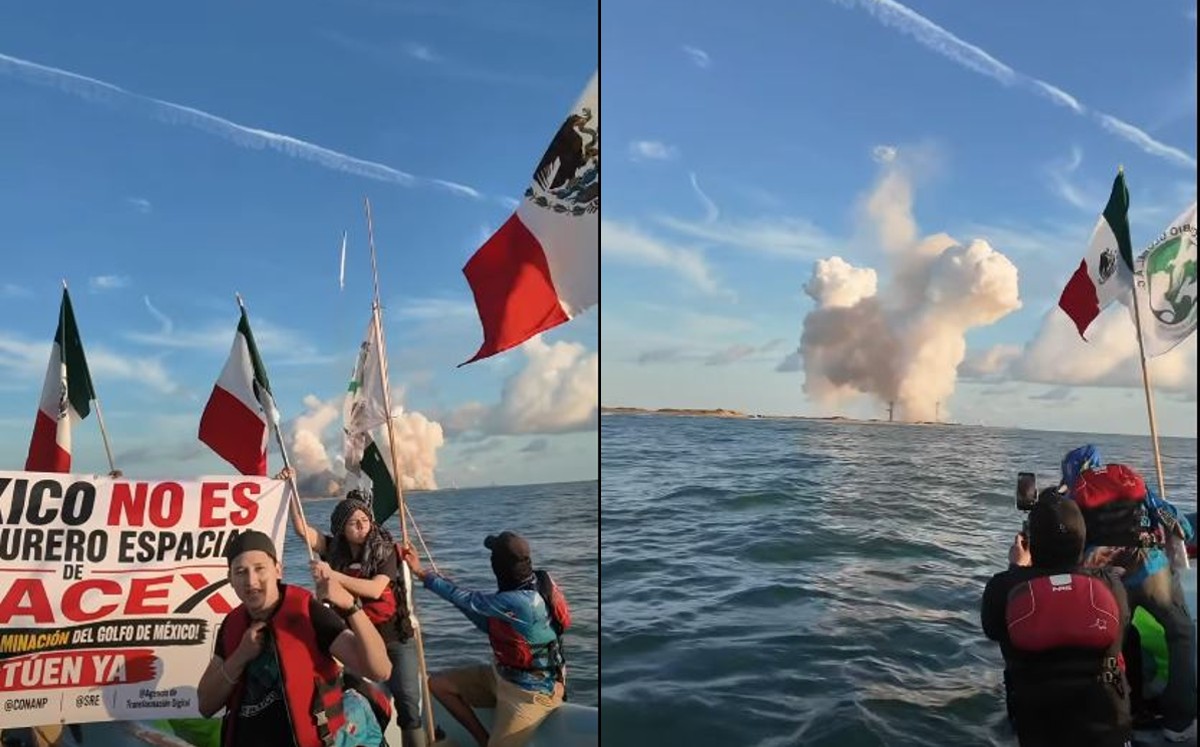
Local media in Mexico, including Grupo Milenio and Telediario México, have reported continued tensions between SpaceX and environmental activists in Matamoros, Tamaulipas. During the September 28 launch, activists from the organization "Conibio Global" protested at Playa Bagdad, citing concerns over rocket debris washing ashore and potential harm to local wildlife. Reports indicate that fragments, including air tanks and melted plastics, have been found on beaches near the launch site, prompting calls for stricter environmental oversight of SpaceX’s cross-border impacts.
Context & numbers
Starship V3 Performance and Satellite Deployment Metrics
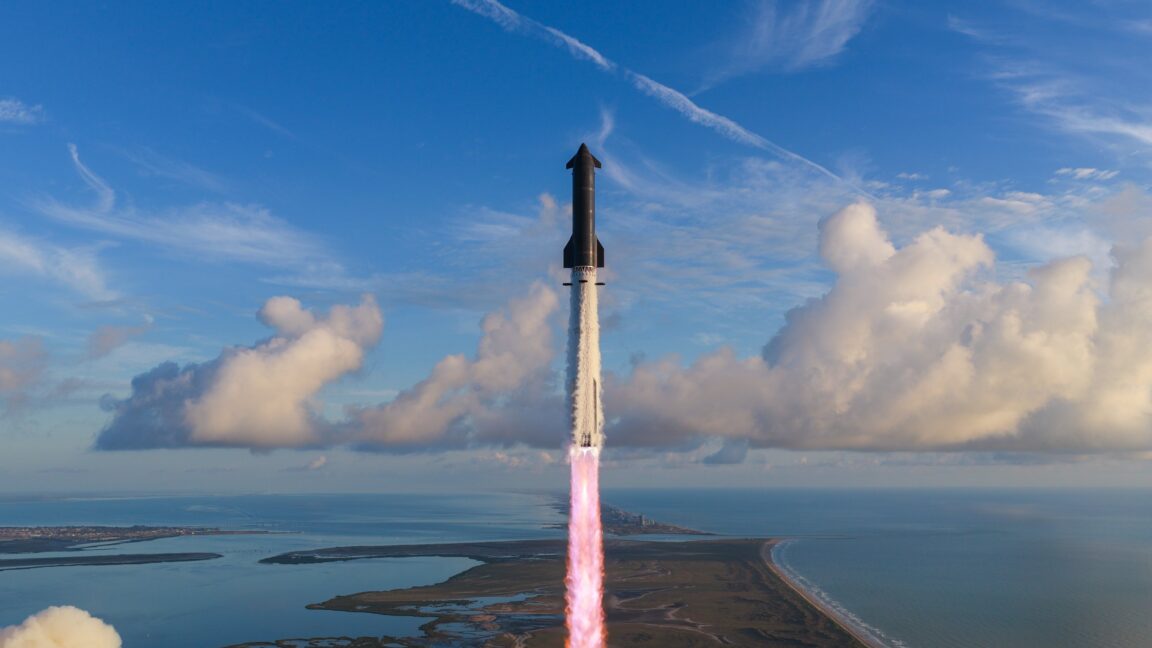
Flight 14 utilized the third-generation (V3) Starship ship and Super Heavy booster, which feature increased propellant capacity and upgraded Raptor engines. The mission successfully deployed 26 Starlink V3 satellites, which are significantly larger and more capable than previous generations, offering higher bandwidth and improved laser link capabilities. The vehicle reached an altitude sufficient for orbital insertion, though the mission was terminated early due to the loss of one Raptor vacuum engine, resulting in a controlled splashdown in the Indian Ocean rather than a full multi-orbit demonstration.
On the radar
- Booster Catch Attempts: Following the success of Flight 14’s orbital insertion, attention shifts to whether SpaceX will attempt a mechanical "chopstick" catch of the Super Heavy booster on the next flight (Flight 15), a maneuver not yet attempted with the V3 architecture.
- Propellant Transfer Demonstration: NASA and SpaceX are targeting a critical in-space propellant transfer demonstration for late 2026 or early 2027, a key milestone required before any lunar landing attempts can proceed.
- Florida Pad Construction: With the FAA SEIS now underway for SLC-37, construction timelines for the Florida launch tower and infrastructure will be closely monitored for delays or accelerations as SpaceX aims to diversify its launch sites.
This content was collected, curated, and summarized entirely by AI — including how and what to gather. It may contain inaccuracies. Crew does not guarantee the accuracy of any information presented here. Always verify facts on your own before acting on them. Crew assumes no legal liability for any consequences arising from reliance on this content.
Powered by
