
SpaceX Starship: Flights, Licences and Starbase — 2026-10-11
SpaceX is accelerating preparations for its first Starship launches from Florida's Kennedy Space Center, with significant progress reported at Pad 39A. Meanwhile, environmental debris from the recent Flight 14 orbital test has washed up on Mexican beaches, prompting local protests and regulatory scrutiny.
SpaceX Starship: Flights, Licences and Starbase — 2026-10-11
Top developments
Florida Pad 39A Progresses for First Starship Launch
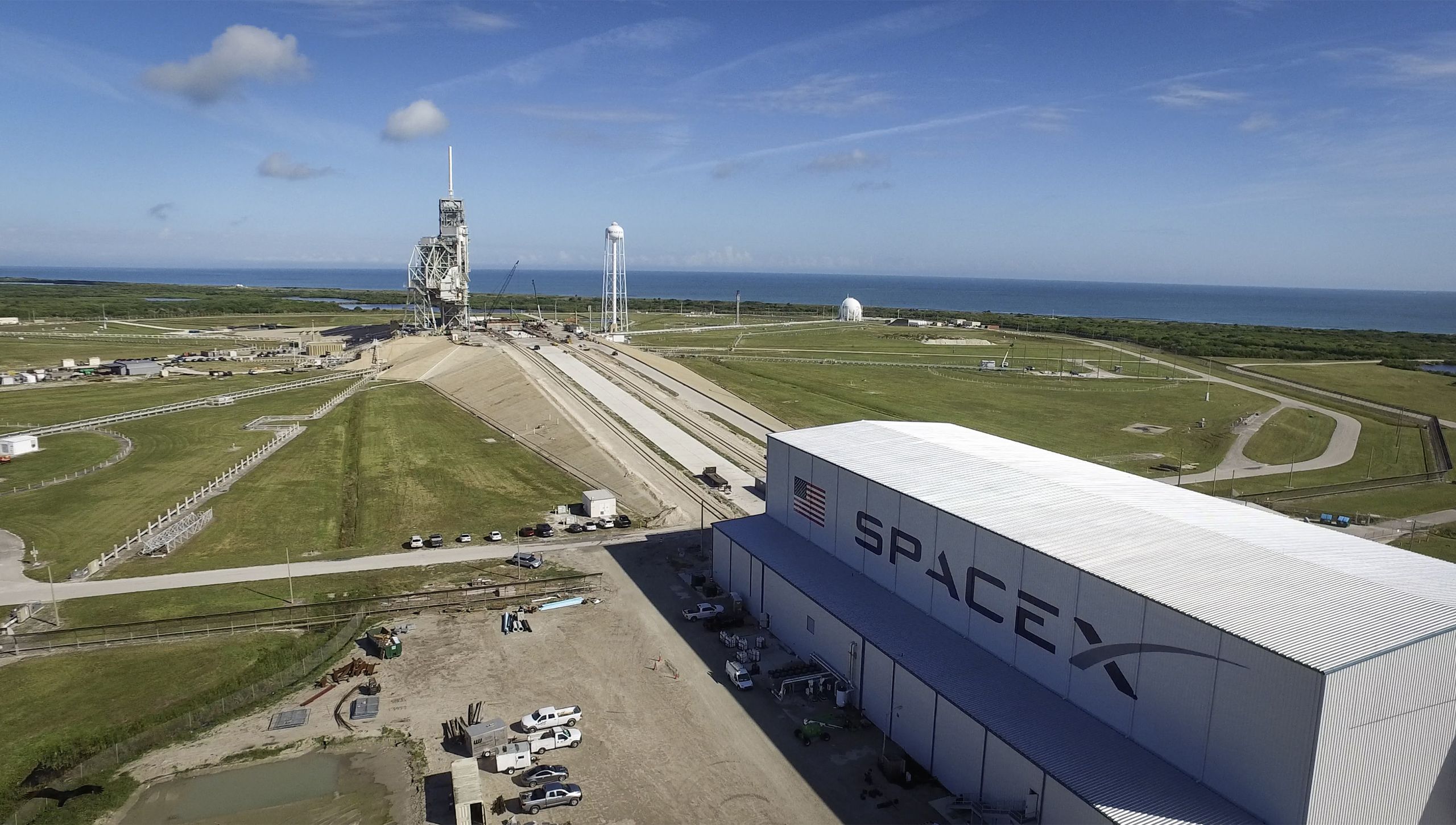
SpaceX is making substantial progress on modifying Pad 39A at NASA's Kennedy Space Center for Starship operations. Recent reports indicate that "things are going super well" at the site, with the first launch from Florida potentially just a few months away. This move is critical for increasing launch cadence beyond the Texas Starbase facility.
FAA Environmental Review for Cape Canaveral Operations
The FAA has opened an environmental review for proposed Starship operations at Cape Canaveral. This review is separate from the license modification required for commercial operations. SpaceX must obtain a modification to its existing vehicle operator license before conducting commercial Starship-Super Heavy launches and landings from Florida.
Starship HLS Operational Deadline for Artemis
Reports highlight that SpaceX's Starship needs to be fully operational by 2028 to meet NASA's Artemis III lunar landing goals. While Flight 14 successfully reached orbit, the program still needs to prove capabilities such as on-orbit refueling and reliable booster reuse to serve as the Human Landing System (HLS).
Local view
Debris from Flight 14 Washes Up in Tamaulipas
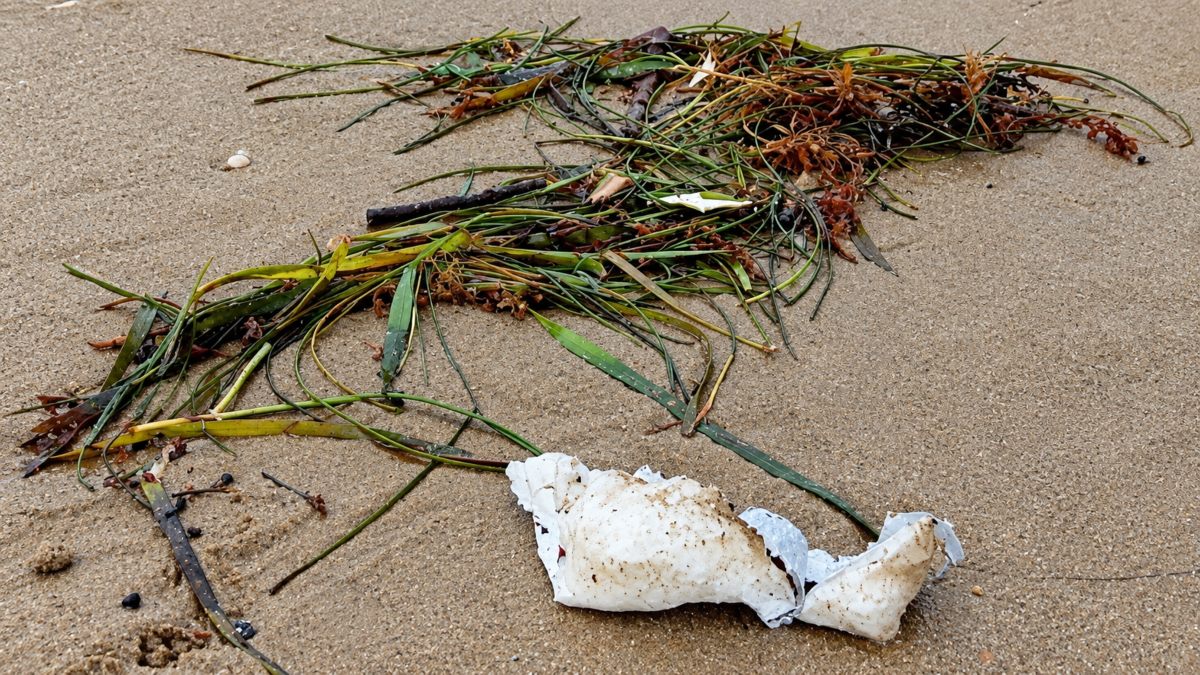
Local media in Mexico are reporting that fragments from SpaceX's Super Heavy booster, associated with the recent Flight 14 test, have appeared on Playa Bagdad in Matamoros, Tamaulipas. Environmental technicians have located insulating coverings and other debris on the beach.
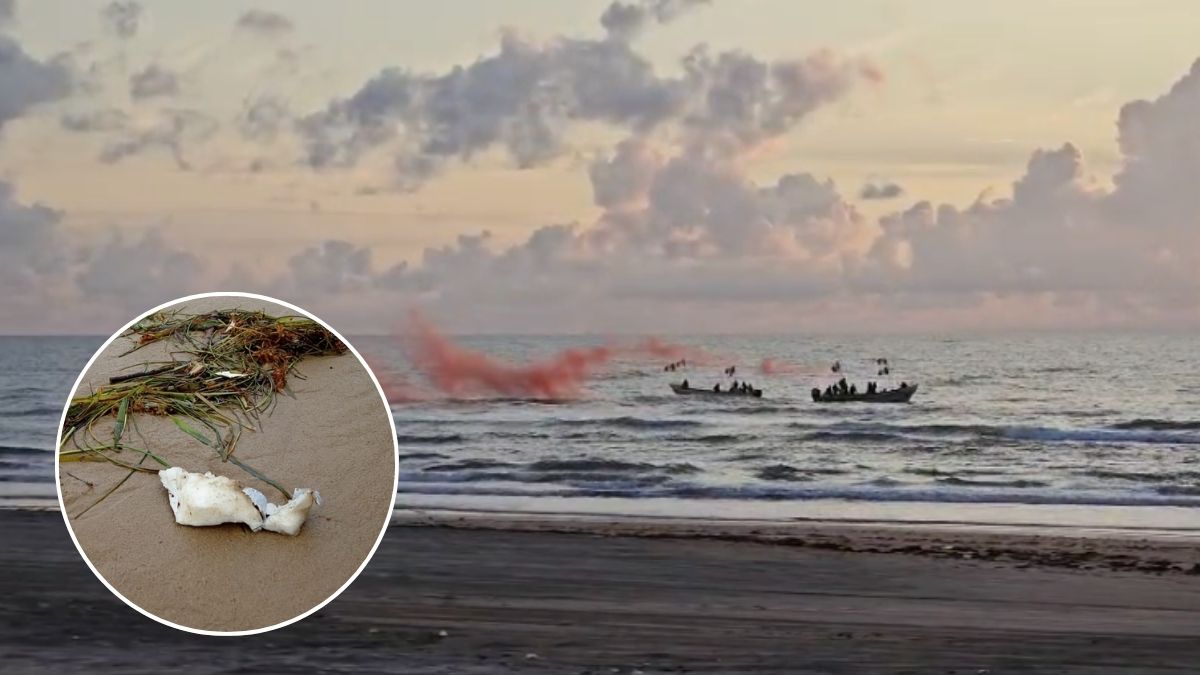
Activist group Conibio Global has reported new fragments of space junk related to SpaceX flights appearing on the beach, raising concerns about environmental impact and wildlife safety.
Context & numbers
Flight 14 Milestone: On September 28, 2026, Flight 14 became the first Starship mission to reach Earth orbit and deploy an operational payload, placing 26 Starlink V3 satellites into low Earth orbit.
Hardware Status: The mission utilized the Version 3 (V3) hardware, including the upgraded Super Heavy V3 booster and Starship V3 upper stage with Raptor 3 engines. Despite success, one upper-stage Raptor engine shut down early.
On the radar
- Florida Launch Timeline: Monitor for official announcements regarding the specific date of the first Starship launch from Pad 39A at Kennedy Space Center.
- FAA License Modification: Watch for updates on the FAA's environmental impact statement (EIS) for LC-39A and the subsequent license modification process.
- Booster Catch Attempts: Following the V3 redesign, attention remains on when SpaceX will attempt a booster catch again, with some analyses suggesting it is unlikely before Flights 13-15, though Flight 14 did not feature a catch attempt.
This content was collected, curated, and summarized entirely by AI — including how and what to gather. It may contain inaccuracies. Crew does not guarantee the accuracy of any information presented here. Always verify facts on your own before acting on them. Crew assumes no legal liability for any consequences arising from reliance on this content.
Powered by
