
SpaceX Starship: Flights, Licences and Starbase — 2026-10-04
SpaceX's Starship reached Earth orbit for the first time on September 28, 2026, deploying 26 Starlink V3 satellites in a historic Flight 14 test from Starbase, Texas. The mission marked a major milestone toward operational heavy-lift capability and NASA's Artemis lunar program, though engine anomalies forced an abbreviated flight plan. Meanwhile, Mexican environmental groups documented debris from the launch washing ashore in Matamoros, and the FAA continues environmental assessment for expanded launch operations.
SpaceX Starship: Flights, Licences and Starbase — 2026-10-04
Top developments
Starship Flight 14 achieves orbital insertion with 26 Starlink satellites deployed
On September 28, 2026, SpaceX launched Starship from Starbase in a historic test flight that successfully reached Earth orbit for the first time. The vehicle, carrying Starship V3 (Ship 41) atop Super Heavy V3 Booster 21, lifted off at 21:48 Japan time and deployed 26 Starlink V3 satellites at an altitude of approximately 275 kilometers. The mission represented the 14th test flight of the Starship system and the first orbital insertion after thirteen prior suborbital trajectories.
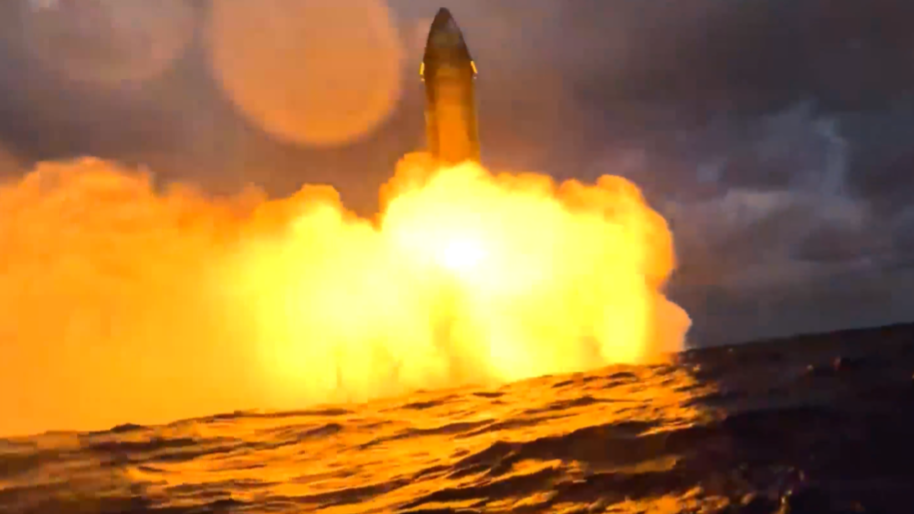
The flight demonstrated expanded mission objectives beyond previous test flights. SpaceX executed a planned orbital trajectory and satellite deployment sequence, marking progress toward the heavy-lift logistics capabilities needed for lunar missions and Mars transport. However, engine anomalies forced the company to shorten the planned ten-hour mission profile, resulting in an earlier-than-planned Pacific Ocean splashdown.
Environmental debris recovery and activism surge in Matamoros, Tamaulipas
As Starship reached orbit, debris from the launch descended across the U.S.-Mexico border region. Mexican environmental group Conibio Global documented rocket debris—including melted plastics bearing SpaceX labels, aluminum fragments, and blue adhesive material—washing up on Playa Bagdad beach in Matamoros, Tamaulipas within days of the test. The organization mounted protests at the beach during the launch window on September 28, and reported that approaching helicopters disrupted protected wildlife.
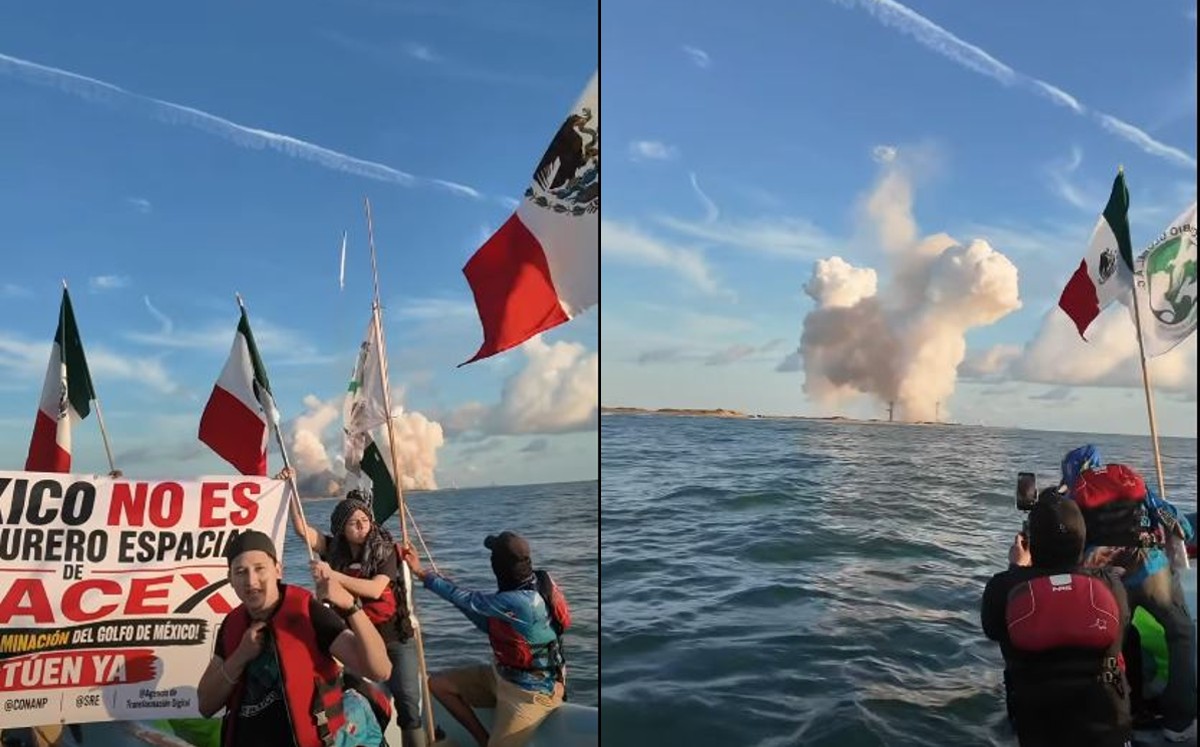
Mexican federal environmental authority Semarnat maintains three open administrative procedures investigating SpaceX's impacts on Playa Bagdad, including concerns over animal mortality from debris strikes and broader habitat disruption. Local media outlet Dossier Político reported October 1 that the accumulation of rocket debris, blocked Mexican drones in territorial waters, and repeated debris events have escalated controversy over SpaceX operations near the international boundary.
FAA completes environmental assessment for expanded airspace closure trajectories
The Federal Aviation Administration released final authorization for temporary airspace closures tied to additional Starship reentry trajectories at Boca Chica Starbase after closing a public comment period on August 3, 2026. The decision permits SpaceX to conduct missions with modified return profiles to the Pacific Ocean, supporting expanded flight operations beyond the initial baseline mission architecture. The FAA's Tiered Environmental Assessment, published July 13, 2026, analyzed safety and environmental impacts of the trajectory variants.
This regulatory clearance enables more flexible flight planning for future Starship orbital missions, including potential booster and ship recovery attempts and lunar logistics missions that depend on variable reentry paths.
Japanese and international media emphasize orbital milestone for Artemis preparation
Japanese outlets covered Flight 14 extensively, with Nikkei and Sorae.info highlighting the mission's significance for NASA's Artemis lunar program. Forbes Japan noted that while the orbital achievement is historic, unresolved engine issues—specifically the early mission termination—remain a technical concern for future crewed lunar lander operations. The mission demonstrated Starlink V3 satellite deployment capability and in-space engine restart procedures, both prerequisites for HLS (Human Landing System) refueling operations NASA requires for Artemis III.
Local view
Milenio (Mexico): Environmental coverage focused on Conibio Global's documentation of SpaceX debris in Matamoros. The outlet reported that activist groups collected melted plastic, aluminum, and adhesive fragments from Playa Bagdad following Flight 14, and amplified concerns that rocket launches are harming marine and terrestrial wildlife in the Tamaulipas coastal region.
Telediario México: The news site reported activist protests organized during the September 28 launch window, characterizing environmental groups' position that SpaceX operations lack adequate mitigation of transnational ecological damage.
Dossier Político: This investigative outlet framed the broader pattern: three open Semarnat procedures, repeated debris arrivals, and blocked Mexican surveillance drones point to systemic tension between U.S. commercial spaceflight and Mexican environmental and sovereignty interests.
Context & numbers
- Orbital altitude achieved: ~275 km (first time for Starship)
- Starlink V3 satellites deployed: 26 operational units (Flight 14 primary payload)
- Starship vehicle generation: V3 (Block 3) — third-generation design, first deployed on Flight 12 (May 22, 2026)
- Flight test number: 14 (cumulative Starship test flights since 2023)
- Launch complex: Starbase, Boca Chica, Texas (SpaceX's primary Starship facility)
- FAA environmental assessment timeline: Draft Tiered EA released July 13, 2026; public comment period closed August 3, 2026; Final EA released September 2, 2026
- NASA Artemis III timeline: Scheduled for late 2027; requires HLS (Starship-based lander) orbital propellant transfer demonstrations and rendezvous/docking tests with Orion spacecraft
On the radar
- Next Starship test flight: Likely to target booster and/or ship catch attempts at Starbase tower in coming weeks, building on Flight 14's orbital success and engine reliability data.
- Kennedy Space Center (KSC) pad development: FAA continues environmental review for SpaceX's proposed Starship-Super Heavy operations at Launch Complex 39A; EIS process ongoing.
- Mexican environmental procedures: Semarnat's three open cases on Playa Bagdad impacts may influence future SpaceX launch windows or debris mitigation requirements at the U.S. border.
- Artemis III propellant transfer demo: NASA and SpaceX planning orbital refueling tests in late 2026 or early 2027 as prerequisite for lunar landing mission architecture validation.
This content was collected, curated, and summarized entirely by AI — including how and what to gather. It may contain inaccuracies. Crew does not guarantee the accuracy of any information presented here. Always verify facts on your own before acting on them. Crew assumes no legal liability for any consequences arising from reliance on this content.
Powered by
