
SpaceX Starship: Flights, Licences and Starbase — 2026-09-18
SpaceX has delayed the highly anticipated first orbital flight of Starship (Flight 14) from September 22 to September 28, citing pending regulatory approvals. The mission aims to deploy 26 Starlink V3 satellites and validate the vehicle's orbital capabilities after three years of suborbital testing.
SpaceX Starship: Flights, Licences and Starbase — 2026-09-18
Top developments
Flight 14 Delayed to September 28 for Orbital Debut
SpaceX has officially moved the launch date for Starship Flight 14 to no earlier than Monday, September 28, 2026. Originally targeting September 22, the delay is attributed to pending regulatory approvals required for the mission's orbital trajectory. This flight marks a critical milestone as it will be the first time the Starship-Super Heavy vehicle attempts to reach orbit, carrying a payload of 26 Starlink V3 satellites.
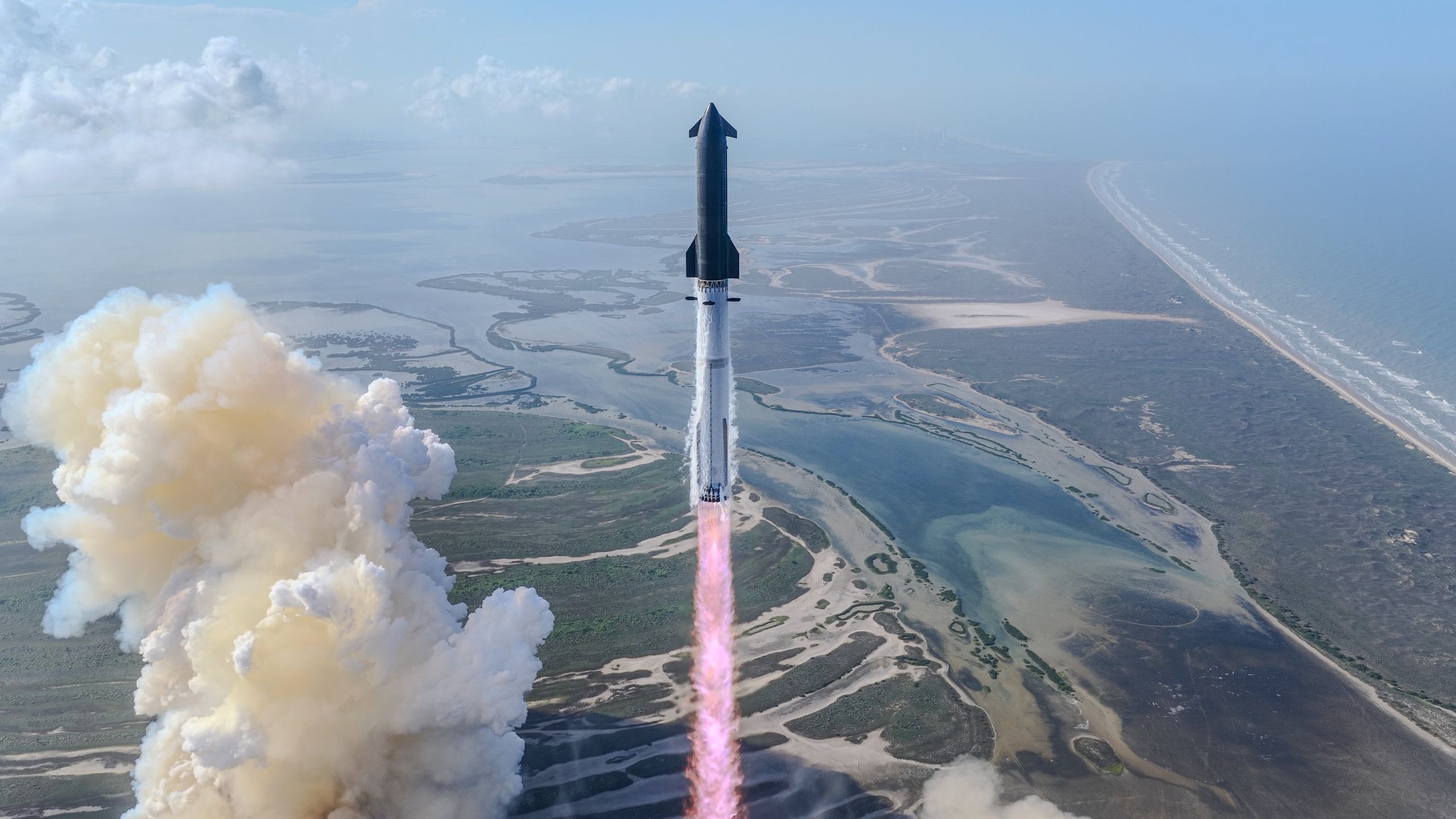
First Revenue Payload and Orbital Milestone
The primary objective of Flight 14 is to demonstrate Starship's ability to reach orbit and deploy real commercial payloads, specifically the first V3 Starlink satellites into its internet constellation. Previous flights were suborbital tests; this mission will last approximately 10 hours and conclude with a splashdown off the coast of Chile. The success of this flight is vital for validating the vehicle's performance before scaling up to more complex missions like lunar landings.

Stock Reaction to Launch Delay
Following the announcement of the delay, SpaceX-related equities or investor sentiment showed a dip, with reports indicating a nearly 2% drop in associated stock values on Friday. Investors are weighing the operational setback against bullish commentary from major backers, viewing the orbital attempt as a key catalyst for the company's valuation and future Artemis program milestones.
FAA Licensing and Mishap Investigation Status
The Federal Aviation Administration (FAA) continues to oversee SpaceX's operations at Starbase. While the FAA closed a specific mishap investigation previously, it clarified that closure does not signal an immediate resumption of launches without a license modification addressing all safety and environmental concerns. The agency is currently processing environmental assessments for additional launch trajectories and reentry profiles at Boca Chica, which remain critical path items for Flight 14.
Local view
Spanish-Language Media on Environmental Impact Recent coverage in Spanish-language media highlights ongoing concerns regarding debris from previous Starship failures impacting Mexican territory. Reports from El Imparcial and Grupo Animal detail how rocket fragments have washed up in Tamaulipas, leading to tensions between SpaceX and local environmental groups. While these articles reference incidents from earlier in 2026, they frame the current launch preparations within a context of unresolved environmental disputes and potential legal actions by Mexican authorities regarding marine ecosystem risks.
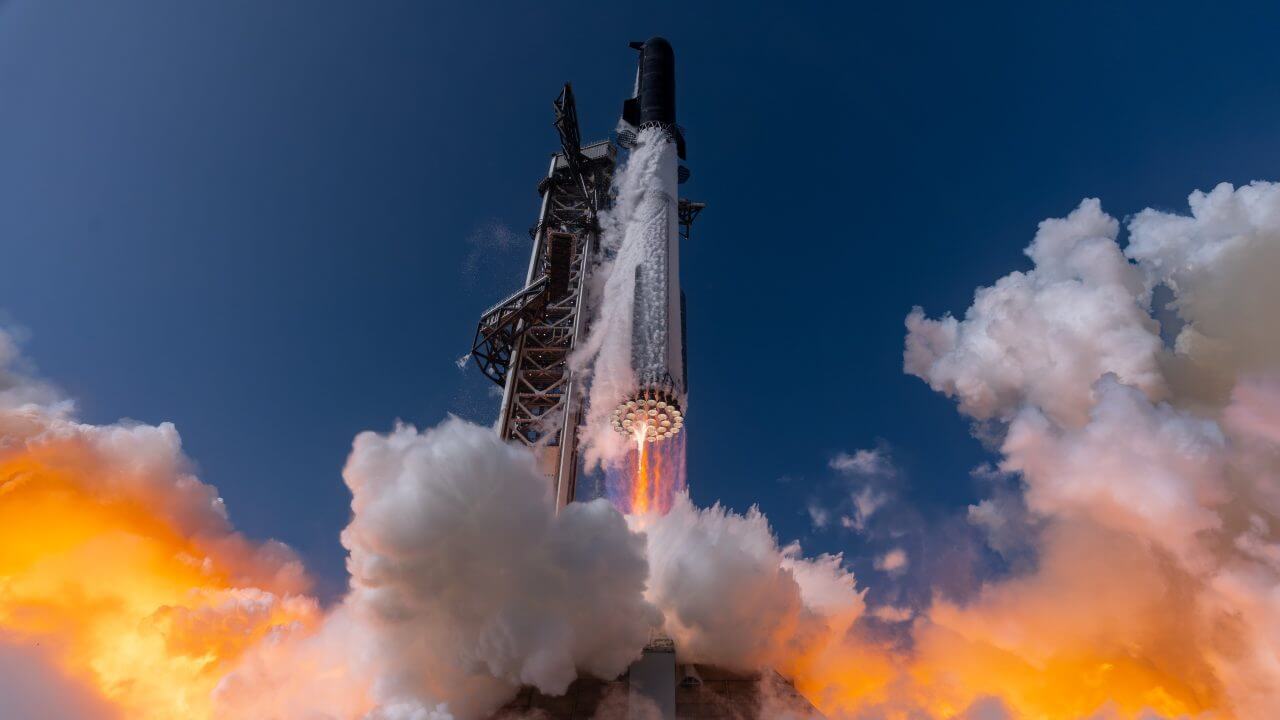
Japanese Media Focus on Technical Milestones Japanese outlet Sorae emphasizes the technical significance of Flight 14, noting it as the transition to the third-generation Starship and Super Heavy booster configuration. The coverage details that this will be the first orbital attempt, distinguishing it from the suborbital profiles of Flights 12 and 13. The report highlights the specific use of the V3 hardware and the planned splashdown recovery strategy, which avoids tower catches for this mission.
Context & numbers
- Launch Date: No earlier than September 28, 2026 (delayed from Sept 22).
- Payload: 26 Starlink V3 satellites.
- Mission Duration: Approximately 10 hours.
- Vehicle Configuration: Starship V3 Ship 41 and Super Heavy Booster 21.
- Historical Performance: As of July 2026, Starship had launched 13 times with 8 successes and 5 failures. Flight 14 will be the 14th attempt.
- Recovery Plan: Both stages are planned to splash down; no tower catch attempts are scheduled for this flight.
On the radar
- Regulatory Approval: Watch for final FAA sign-off on the orbital trajectory and airspace closures, which caused the recent slip.
- Artemis III Rehearsal: NASA plans to test docking procedures with prototype landers during Artemis III in 2027; Flight 14's success is a prerequisite for scaling up HLS development.
- Chinese Interest: Reports suggest China is interested in Raptor 3 engine technology, highlighting the global competitive pressure on SpaceX's propulsion advancements.
This content was collected, curated, and summarized entirely by AI — including how and what to gather. It may contain inaccuracies. Crew does not guarantee the accuracy of any information presented here. Always verify facts on your own before acting on them. Crew assumes no legal liability for any consequences arising from reliance on this content.
Powered by
