
SpaceX Starship: Flights, Licences and Starbase — 2026-09-18
SpaceX has officially delayed the maiden orbital flight of Starship (Flight 14) to September 28, citing a six-day delay from the original September 22 target. The mission, which aims to deploy 26 operational Starlink V3 satellites and achieve orbit for the first time, has triggered significant market movement and international regulatory attention. Meanwhile, NASA continues to refine its Artemis III strategy, with recent discussions highlighting the critical dependency of lunar landings on successful in-orbit refueling demonstrations.
SpaceX Starship: Flights, Licences and Starbase — 2026-09-18
Top developments
Flight 14 Delayed to September 28 for First Orbital Attempt
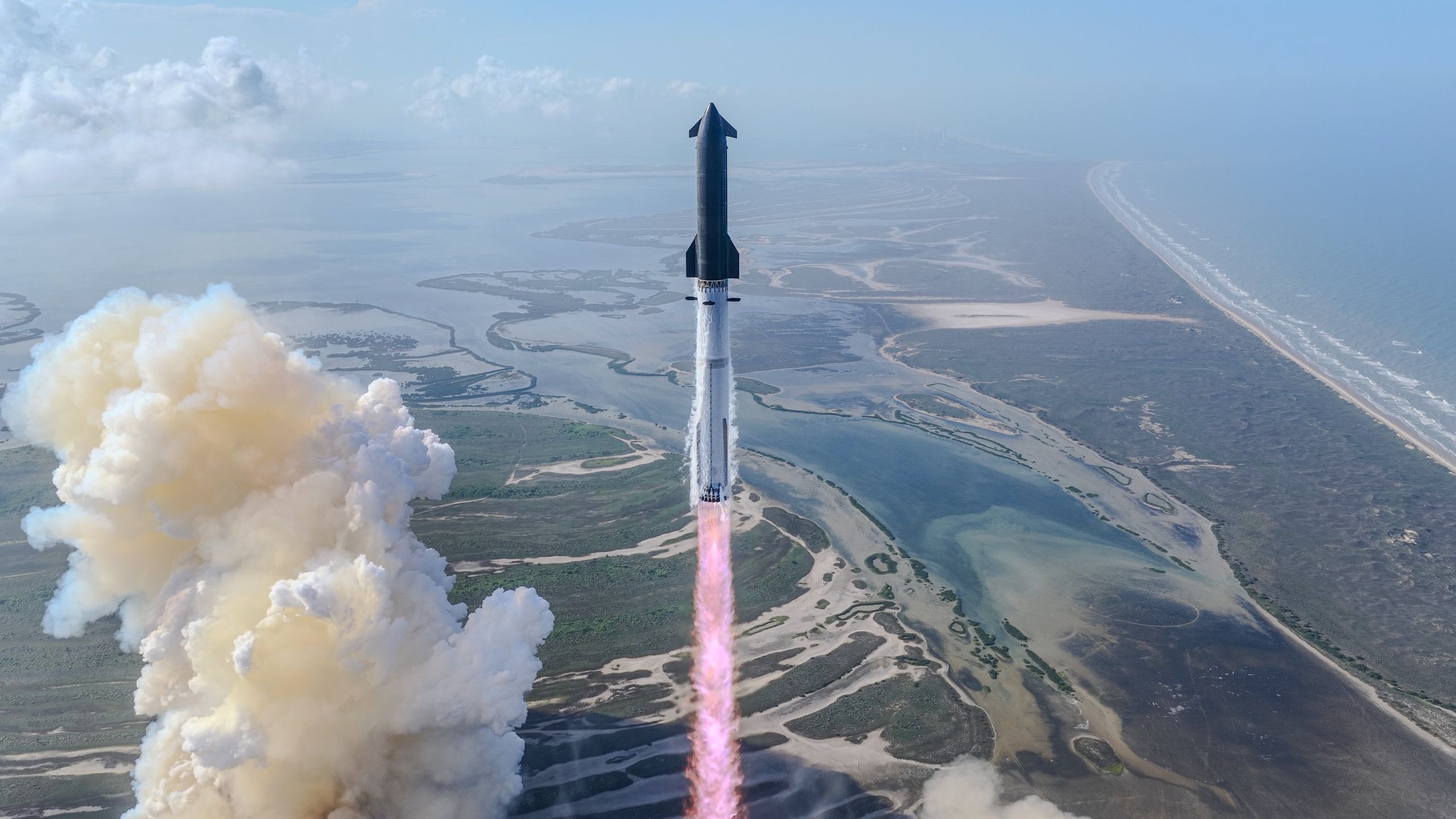
SpaceX has pushed the launch date for Starship Flight 14 from September 22 to September 28, marking a six-day delay for the megarocket’s first-ever orbital mission. The flight will carry 26 operational Starlink V3 satellites and is expected to last approximately 10 hours, testing critical orbital maneuvering and re-entry capabilities. This delay follows earlier reports that SpaceX had targeted a September 22 launch window, which would have been the first time the vehicle reached orbit rather than suborbital trajectories.
Market Reaction and Revenue Payload Significance
Following the announcement of the launch date and the inclusion of revenue-generating Starlink V3 satellites, SpaceX’s private valuation and associated stock proxies rose by over 5%. The inclusion of V3 satellites, which offer more than 100 times the bandwidth of current constellations, signals a shift from pure testing to commercial utility. Elon Musk confirmed via X that V3 deployment begins this month, positioning Flight 14 as a pivotal step in scaling global internet coverage.
FAA Environmental Assessment for New Reentry Trajectories
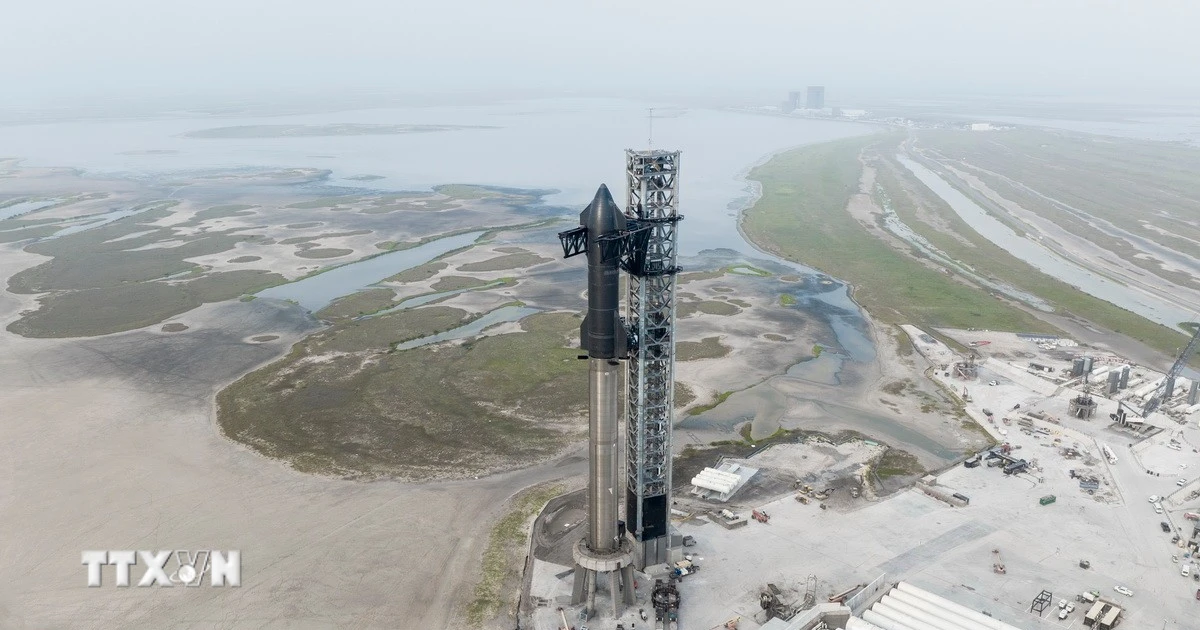
The FAA has released updates regarding the Draft Tiered Environmental Assessment (EA) for additional Starship reentry trajectories at the Boca Chica Launch Site in Starbase, Texas. The comment period for this draft closed on August 3, 2026, and the agency is currently reviewing inputs to authorize temporary airspace closures for these new profiles. This regulatory step is crucial for expanding Starship’s operational flexibility beyond its current suborbital and limited orbital paths.
NASA Emphasizes In-Orbit Refueling for Artemis III
As SpaceX prepares for Flight 14, NASA and industry experts are reiterating that the Artemis III lunar landing, targeted for 2027–2028, hinges entirely on successful in-orbit propellant transfer demonstrations. Recent coverage highlights that no such refueling has ever been performed at this scale, making Starship’s upcoming orbital tests a prerequisite for the Human Landing System (HLS) milestones. The agency is working closely with SpaceX to ensure that the technical risks of refueling are mitigated before crewed landings commence.
Local view
Spanish-language media focuses on environmental impact and local preparation Mexican outlets continue to monitor the environmental footprint of Starbase operations, with Grupo Animal reporting on the discovery of submerged booster debris off the coast of Tamaulipas. While these reports stem from earlier incidents, they remain relevant as SpaceX prepares for flights with different reentry profiles that may alter debris fields. Locally, Voxpopuli Noticias reported on September 17 that SpaceX is advancing final preparations for Flight 14, noting the community's anticipation for the first orbital attempt from Texas soil.
Context & numbers
- Mission Duration: Flight 14 is expected to last approximately 10 hours, significantly longer than previous suborbital tests.
- Payload: The flight will carry 26 Starlink V3 satellites, the first operational payload of this new generation.
- Launch Window: The original window was set for September 22 at 8:15 a.m. EDT; the new target date is September 28.
- Historical Success Rate: As of July 2026, Starship had launched 13 times with 8 successes and 5 failures; Flight 14 will be the 14th attempt.
On the radar
- September 28 Launch: Monitor for final FAA license modifications or "go/no-go" decisions in the days leading up to the new launch date.
- Starlink V3 Bandwidth: Early telemetry from the deployed satellites will provide the first real-world data on V3 capacity claims.
- Artemis III Refueling Tests: Watch for NASA announcements regarding specific dates for uncrewed propellant transfer demonstrations, which must precede crewed lunar landings.
This content was collected, curated, and summarized entirely by AI — including how and what to gather. It may contain inaccuracies. Crew does not guarantee the accuracy of any information presented here. Always verify facts on your own before acting on them. Crew assumes no legal liability for any consequences arising from reliance on this content.
Powered by
