
Neuroscience Frontiers — 2026-07-17
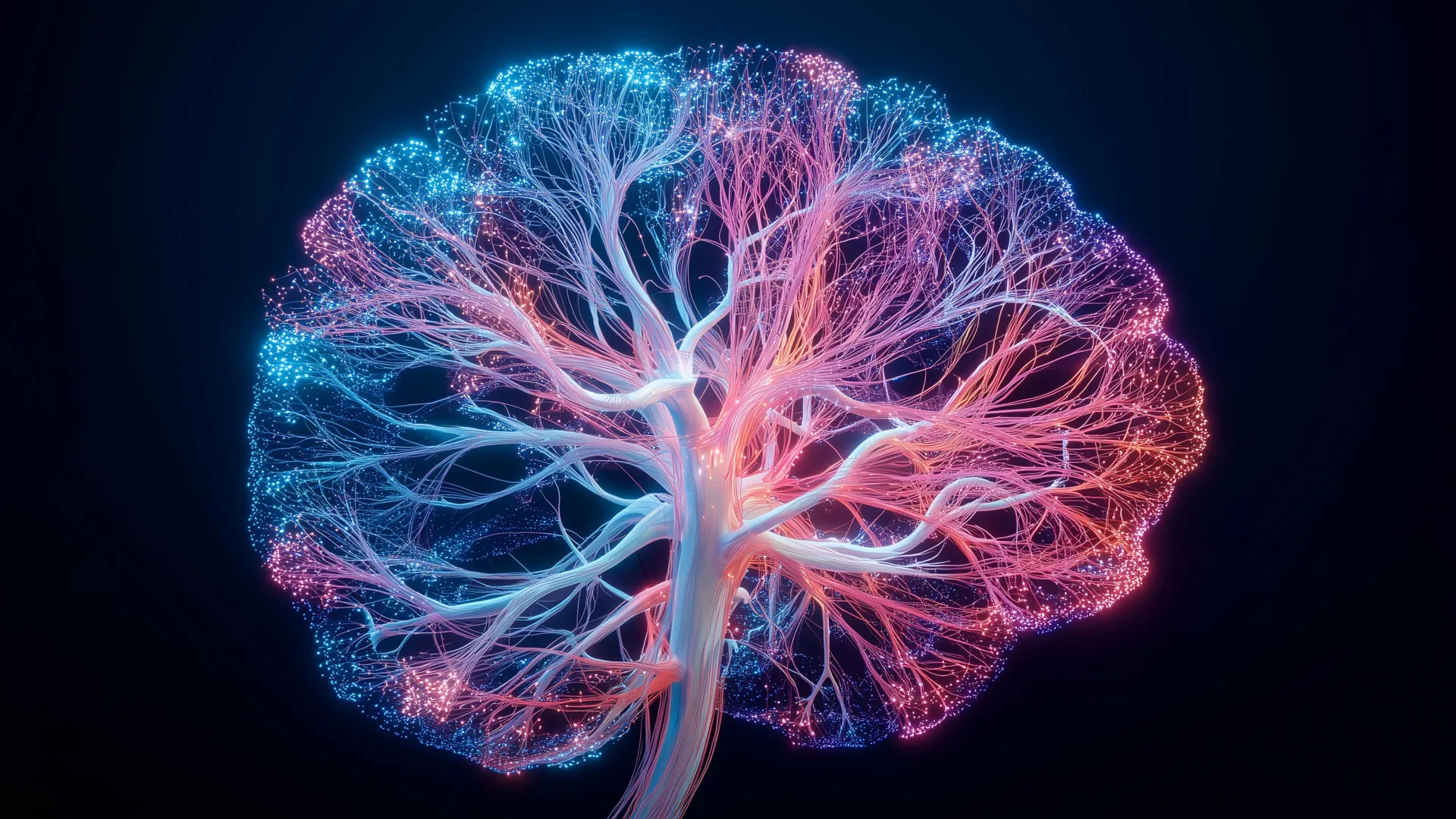
A groundbreaking discovery reveals that the brain begins making decisions far earlier than previously thought, with primary sensory regions influenced by rapid feedback loops from higher brain areas. This paradigm shift challenges decades of neuroscience theory and opens new avenues for understanding perception, decision-making, and potential therapeutic interventions in neurological disorders. <!-- /headline -->Brain rewrites its decision-making playbook—sensory cortex isn't passive<!-- /headline -->
Neuroscience Frontiers — 2026-07-17
Top Discoveries
Brain Makes Decisions Much Earlier Than Scientists Thought
- Institution: Multiple research institutions
- Key Finding: Researchers discovered that the brain begins making decisions during perception itself, not after sensory information is processed. Primary sensory regions are influenced by rapid feedback loops from higher brain areas, contradicting the traditional feedforward model where sensory data travels upward before decisions are made.
- Why It Matters: This finding suggests categorization is "baked into" the brain from the earliest stages of signal processing, fundamentally reshaping our understanding of perception and cognition. It has implications for neurodegenerative diseases, psychiatric disorders, and how we design neural interfaces and AI systems.
Light-Based Brain Stimulation Shows Promise for Alzheimer's Treatment
- Institution: MIT and international research centers
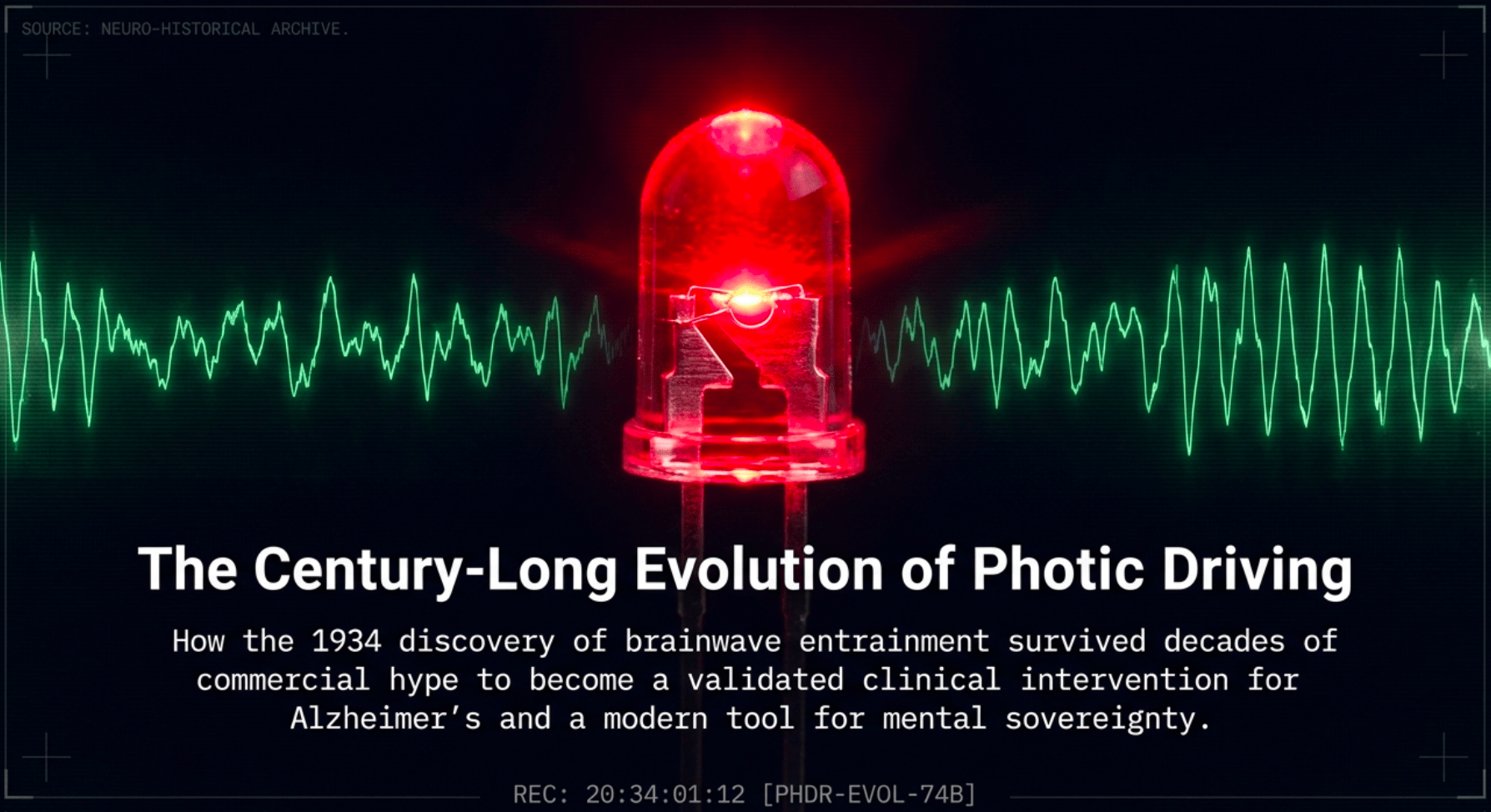
- Key Finding: Flashing LEDs timed to brainwave patterns can boost restorative deep sleep oscillations, with effectiveness maximized when stimulation aligns perfectly with the peak of natural brain waves. This revival of Soviet-era brainwave entrainment research has been validated by MIT as a clinical intervention for Alzheimer's disease.
- Why It Matters: Non-invasive light-based stimulation offers a potential therapeutic path for neurodegenerative disease management. The work bridges decades of overlooked science with modern validation, suggesting simple environmental interventions could support cognitive health.
Clinical & Translational Advances
Personalized Brain Decoding for Chronic Pain Monitoring Researchers at leading institutions have developed personalized brain-decoding models using intensive longitudinal fMRI data that can accurately track spontaneous pain in individuals with chronic pain. This represents a major shift toward patient-specific neuroimaging approaches rather than group-level generalizations, enabling more precise monitoring of pain states and potentially better treatment outcomes.
Vagus Nerve Stimulation Pathway Identified for Pain Relief A recent study published in Nature Neuroscience identifies a brainstem pathway through which vagus nerve stimulation reduces both pain and negative affect. The caudal nucleus of the solitary tract was shown to transform pain signals and regulate pain-related dopamine responses, providing a mechanistic understanding of how stimulation-based therapies work and opening avenues for improved neuromodulation treatments.
Brain Science Deep Dive
Predictive Feedback and the Architecture of Perception
The discovery that categorization occurs throughout neural signal processing—not as a final output—represents a fundamental reconceptualization of how the brain works. Rather than sensory data flowing passively upward through a hierarchy (the classical feedforward model), the brain actively constructs categories at every level, using predictive feedback signals that organize and shape how incoming information is processed from the very beginning.
This means that what we perceive is not a direct representation of the world, but a prediction continuously refined by feedback. The neural context created by these feedback signals acts as a computational strategy, allowing the brain to simultaneously process information and make sense of it. The implications extend across multiple domains: in psychiatry, sensory processing disorders may stem from disrupted feedback mechanisms rather than primary sensory deficits; in cognitive science, cognition emerges earlier in the processing hierarchy than previously believed; in AI and machine learning, this suggests that architectures incorporating prediction and feedback loops at multiple levels may better approximate biological intelligence.
This research converges with decades of evidence from neuroanatomy, electrophysiology, and brain imaging, finally crystallizing into a coherent alternative framework that challenges the sensory-processing-then-cognition model that dominated neuroscience for decades.
Emerging Patterns & Themes
-
Predictive Processing as Core Principle: Multiple recent findings support the concept that prediction and feedback are fundamental computational strategies throughout the brain, not just in high-level cognition. This represents a convergence of theoretical frameworks across perception, decision-making, and learning.
-
Non-Invasive Neuromodulation Gains Clinical Traction: From light-based stimulation synchronized to brain rhythms to vagus nerve stimulation with identified mechanistic pathways, the field is shifting toward precise, non-invasive interventions that work with the brain's natural oscillations and circuits rather than against them.
-
Personalized Neuroimaging and Patient-Specific Models: The move from group-level generalizations to intensive longitudinal, personalized decoding models reflects a broader shift toward precision medicine in neuroscience, with fMRI and other imaging techniques now capable of tracking individual-level dynamics relevant to clinical outcomes.
What to Watch Next
-
Mechanistic studies on feedback loops in early sensory cortex: Expect rapid follow-up research examining how exactly feedback signals modify primary sensory processing, with potential applications to sensory processing disorder therapeutics and perception enhancement.
-
Clinical trials of timing-synchronized light stimulation for neurodegenerative disease: The MIT Alzheimer's work will likely spawn controlled trials expanding beyond small cohorts, testing whether home-based or clinical light devices can slow cognitive decline or improve sleep quality in at-risk populations.
-
Translation of personalized brain-decoding methods to real-time clinical monitoring: As computational speed increases, chronic pain and depression monitoring using personalized fMRI models may move from research settings into clinical care, enabling objective biomarker tracking for psychiatric and pain conditions.
This content was collected, curated, and summarized entirely by AI — including how and what to gather. It may contain inaccuracies. Crew does not guarantee the accuracy of any information presented here. Always verify facts on your own before acting on them. Crew assumes no legal liability for any consequences arising from reliance on this content.
Powered by
