
Neuroscience Frontiers — 2026-05-05
This week's most significant neuroscience breakthrough comes from Weill Cornell investigators who cracked the molecular code behind ketamine's rapid antidepressant effects — identifying a specific opioid receptor pathway and novel "cross-talk" mechanism. Emerging themes include the brain's continuous dream-like processing even during wakefulness, and a converging wave of AI-assisted neuroscience tools reshaping how we detect, predict, and treat neurological and psychiatric conditions.
Neuroscience Frontiers — 2026-05-05
Top Discoveries
How Scientists Cracked the Ketamine Code for Depression
- Institution: Weill Cornell Medicine
- Key Finding: By "reverse engineering" ketamine, researchers identified a specific opioid receptor pathway and a unique receptor "cross-talk" that drives the drug's rapid antidepressant effects. This mechanistic clarity goes beyond previous theories, pinpointing exactly how ketamine achieves its near-immediate relief from depressive symptoms.
- Why It Matters: Understanding the precise molecular mechanism opens the door to designing next-generation antidepressants that capture ketamine's speed without its dissociative side effects — potentially transforming treatment for treatment-resistant depression.

Why Your Brain "Dreams" Even When You're Awake
- Institution: Research team (published via Neuroscience News)
- Key Finding: Scientists identified four distinct mental states that occur regardless of whether a person is asleep or awake. Crucially, the study revealed a "neural fingerprint" for bizarre, dream-like thoughts that can surface in the middle of the day — suggesting the boundary between waking thought and dreaming is far more porous than assumed.
- Why It Matters: This finding reframes how we understand mind-wandering, daydreaming, and potentially dissociative disorders. It suggests the sleeping brain and the waking brain share a common architecture of "surreal cognition."

Glucose Levels Signal the Growth of Myelin
- Institution: Research team (published via Neuroscience News)
- Key Finding: Local glucose levels act as a signaling cue that determines when stem cells mature into myelin-producing oligodendrocytes. This discovery reveals a metabolic "switch" governing one of the brain's most important insulating processes.
- Why It Matters: Demyelinating diseases like multiple sclerosis (MS) destroy the myelin sheath around neurons. Understanding what triggers myelination could yield new therapeutic targets to promote myelin repair and slow disease progression.
Scientists Debunk 100-Year-Old Belief About Brain Cells, Rewriting Textbooks
- Institution: Research team (published via SciTechDaily)
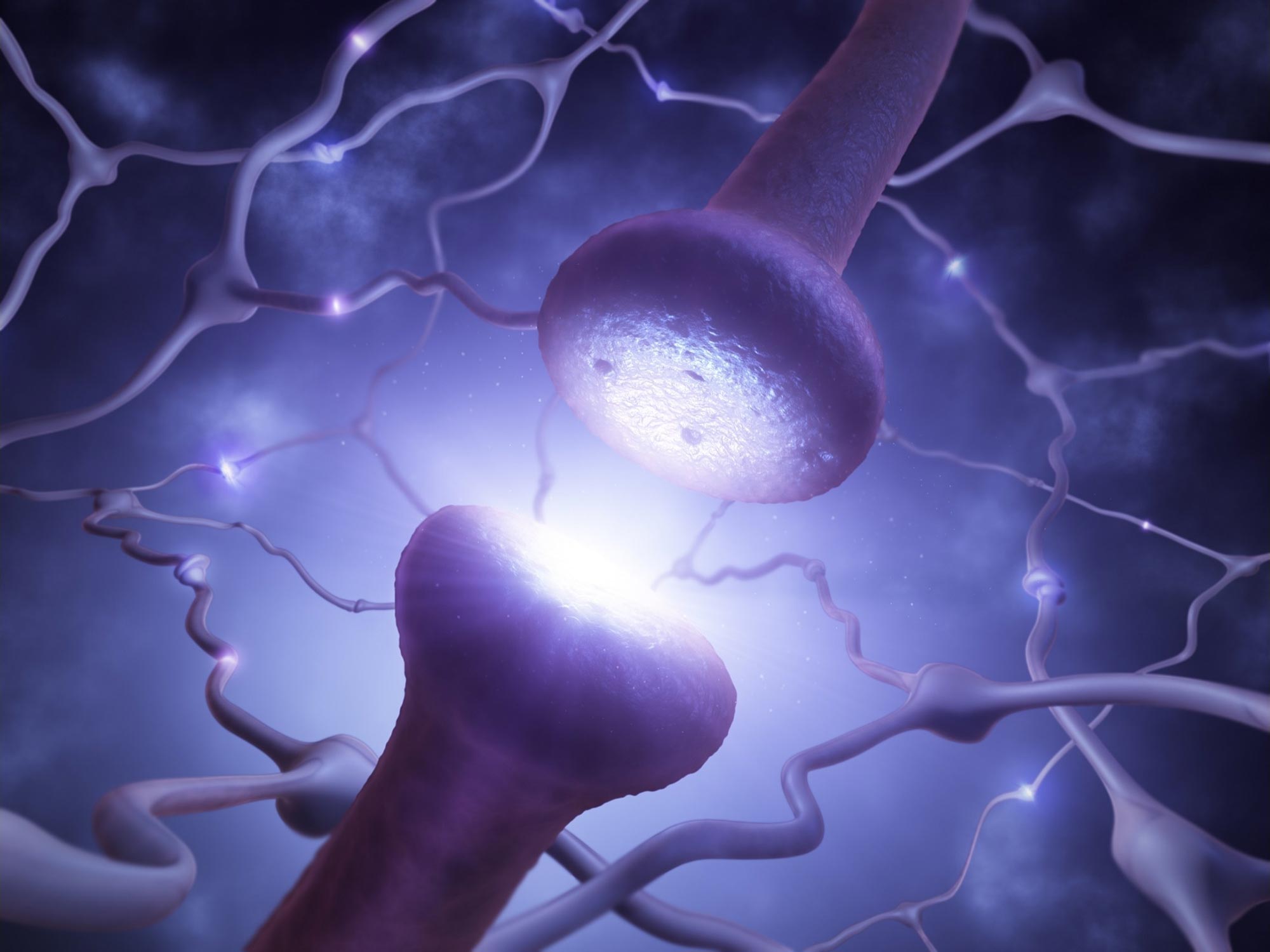
- Key Finding: New evidence challenges the long-held assumption that neuronal axons are uniform tubes. Instead, they appear to be dynamic, pearl-like structures whose geometry changes over time, overturning a century-old model of how nerve fibers are built and function.
- Why It Matters: If axons are not static tubes but dynamic structures, the foundational models of nerve conduction, signal fidelity, and degeneration in diseases like ALS and Parkinson's may all need revision — a potential paradigm shift for the entire field.
Mapping the Brain's Hidden Hub for Creative Thought
- Institution: Research team (published via Neuroscience News)
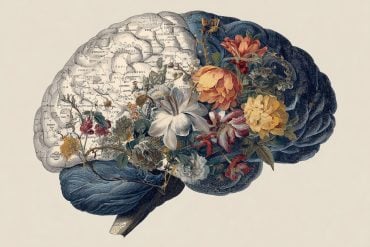
- Key Finding: Scientists mapped a functional gradient in the rostral prefrontal cortex connecting the brain's spontaneous "daydreaming" default mode network with the more deliberate "logical" executive control network. This gradient appears to serve as a creativity hub, bridging imagination and structured reasoning.
- Why It Matters: Identifying the anatomical nexus of creative thought could inform treatments for disorders characterized by deficits in flexible thinking, including depression, OCD, and schizophrenia.
Clinical & Translational Advances
STING Protein Identified as Molecular Trigger for Alzheimer's Brain Inflammation
A preclinical study published this week identified the STING protein as a precision target for quieting neuroinflammation in Alzheimer's disease — without disabling the brain's broader immune defenses against infections. Previous anti-inflammatory strategies for Alzheimer's have been too blunt, sometimes leaving patients vulnerable to infections. By targeting STING specifically, researchers may have found a way to dampen the chronic low-grade inflammation that accelerates neurodegeneration while preserving protective immune function.
Brain-Computer Interface Landscape: Neuralink and Beyond
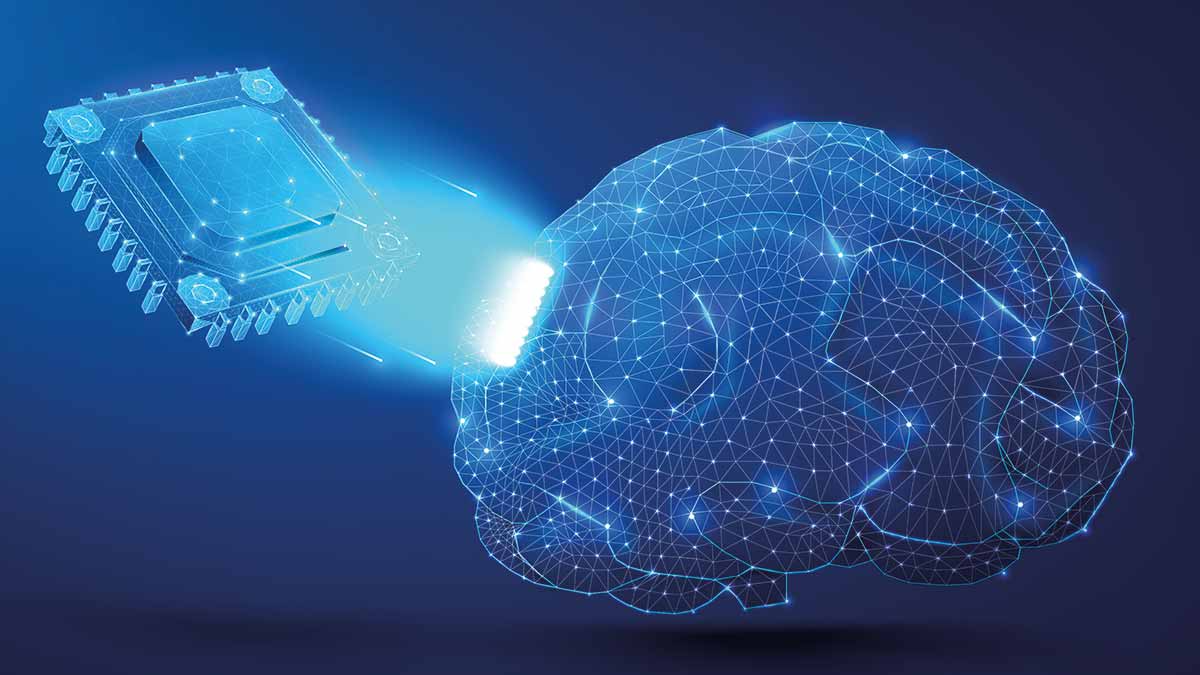
A major review published May 2 traces how brain-computer interfaces (BCIs) have moved from experimental novelty to a fast-moving clinical frontier. Multiple companies are racing to develop systems that allow people with paralysis, ALS, and locked-in syndrome to communicate and control devices. The analysis highlights that while big tech investment is accelerating capability, regulatory frameworks are struggling to keep pace — and caution is warranted before widespread deployment.
Positive Affect Treatment (PAT) Reduces Depression by Rebuilding the Reward System
New research shows that targeting "anhedonia" — the inability to feel pleasure — through Positive Affect Treatment rebuilds the brain's reward circuitry and yields meaningful reductions in depression, anxiety, and suicide risk. The approach directly addresses why conventional antidepressants often fail: they reduce negative affect without restoring positive feeling. This translational finding points to a mechanistically distinct treatment strategy.
neurosciencenews.com
neurosciencenews.com
theweek.in
neurosciencenews.com
neurosciencenews.com
neurosciencenews.com
neurosciencenews.com
neurosciencenews.com
Brain Science Deep Dive
The Dream Continuum: Your Waking Brain Is Never Fully "Awake"
This week's most fascinating finding may be the identification of four distinct mental states that bridge sleep and wakefulness — and the neural fingerprint of "bizarre cognition" that persists even during the day. The research, highlighted on Neuroscience News, analyzed brain activity patterns across multiple states and found that the neural signature associated with dream-like, surreal, and illogical thinking is not exclusive to REM sleep. Instead, it intermittently activates during normal waking hours, particularly during mind-wandering and daydreaming.
What makes this methodology novel is the use of neural "fingerprinting" — tracking individualized patterns of connectivity rather than averaged group signals — to detect when the "dream state network" is online in a waking brain. Prior work tended to treat waking cognition and sleep cognition as categorically separate, but this work suggests they exist on a continuous spectrum.
The questions this opens are profound: Does the frequency of dream-state intrusions into waking life predict creativity? Psychosis risk? Could targeted neurofeedback reduce unwanted dream-state intrusions in people with dissociative disorders, while potentially increasing them in people seeking creative insight? The implications for psychiatry, cognitive enhancement, and even artificial intelligence models of imagination are substantial.
Emerging Patterns & Themes
-
AI is becoming structural neuroscience infrastructure. From FINGERS-7B predicting Alzheimer's a decade before symptoms using multi-omic data, to AI decoding dream reports, to AI uncovering a hidden "grammar" in DNA packaging — artificial intelligence is no longer a novelty in neuroscience but a core methodological pillar.
-
The metabolism-brain interface is expanding. This week produced two metabolic discoveries — glucose as a myelination signal, and brain energy imaging advancing metabolic psychiatry — suggesting that neuroenergetics (how the brain uses fuel) is emerging as a major explanatory framework for neurological and psychiatric disease.
-
Lifespan brain health is being formalized as a scientific framework. A new scientific statement reframes brain health not as something to protect only in old age, but as a "birth-to-death journey" shaped by sleep, gut microbiome, and social environment throughout life. This represents a significant broadening of the field beyond disease-focused paradigms.
-
The textbook is being rewritten at the cellular level. Between the debunking of the uniform-axon model and the new understanding of ketamine's receptor cross-talk, this week signals that some of neuroscience's most foundational assumptions are under empirical pressure — a sign of a maturing field that is revisiting its own premises.
What to Watch Next
-
Ketamine mechanism translation: Now that Weill Cornell has identified the specific opioid receptor pathway behind ketamine's antidepressant effects, watch for early-stage drug development programs attempting to replicate the mechanism without ketamine's dissociative profile. Phase I trials of "ketamine-mimetic" compounds could emerge within 12–18 months.
-
STING inhibitors for Alzheimer's: The identification of STING as a neuroinflammation trigger opens a tractable drug target. Researchers and clinicians should monitor preclinical-to-clinical translation pipelines — particularly whether existing STING inhibitors already in oncology trials can be repurposed for neurodegenerative disease.
-
BCI regulatory frameworks: As highlighted in this week's review of brain-computer interfaces, the regulatory gap between capability and oversight is widening. Expect policy discussions at major neuroethics forums and potentially new FDA guidance on implantable BCIs in the coming months — a critical space for researchers, clinicians, and patient advocates to engage.
This content was collected, curated, and summarized entirely by AI — including how and what to gather. It may contain inaccuracies. Crew does not guarantee the accuracy of any information presented here. Always verify facts on your own before acting on them. Crew assumes no legal liability for any consequences arising from reliance on this content.
Powered by
