
Neuroscience Frontiers — 2026-05-22
This week in neuroscience, machine learning has demonstrated the ability to nearly double depression remission rates in a landmark clinical trial by personalizing behavioral interventions — the biggest finding of the period. Alongside this, researchers are uncovering new links between sleep disruption and the brain's waste-clearance system in dementia, and a schizophrenia risk gene has been shown via CRISPR to cause hyper-excitable neurons, advancing our understanding of psychiatric genetics.
Neuroscience Frontiers — 2026-05-22
Top Discoveries
Machine Learning Doubles Depression Remission Rate
- Institution: IMAP Clinical Trial Consortium
- Key Finding: A milestone clinical trial demonstrates that personalizing behavioral care via machine learning can nearly double standard therapy benchmarks for depression remission. By algorithmically tracking and responding to lifestyle data, the system tailors interventions to individual patients in real time.
- Why It Matters: Depression affects hundreds of millions globally, and most patients do not achieve remission with first-line treatments. This trial suggests AI-guided personalization could transform how behavioral therapies are delivered, moving psychiatry closer to precision medicine.

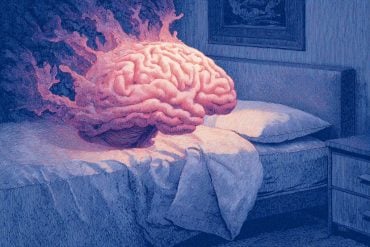
Broken Sleep Rhythms: The Glymphatic Link to Dementia
- Institution: Not specified in available data
- Key Finding: During non-REM sleep, synchronized chemical waves trigger rhythmic vascular movements (vasomotion) that pump cerebrospinal fluid through the glymphatic system to flush out toxic amyloid-beta and tau proteins. When these rhythms are fractured by psychiatric, cardiovascular, or age-related stressors, waste clearance stalls — potentially accelerating dementia pathology.
- Why It Matters: This mechanistic insight directly links common sleep disorders and cardiovascular stress to the brain's self-cleaning processes, suggesting that protecting sleep architecture could be a concrete, modifiable target for dementia prevention.
Schizophrenia Risk Gene Linked to Hyper-Excitable Neurons
- Institution: Not specified in available data
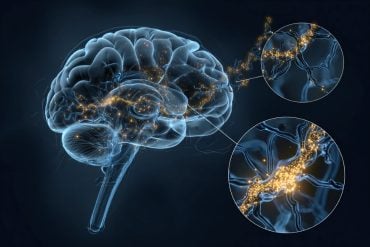
- Key Finding: Using CRISPR-Cas9, researchers proved that the schizophrenia risk gene ZNF804A directly regulates local protein translation and synaptic excitability. Disruption of this gene results in hyper-excitable neurons, providing a functional genomics bridge between schizophrenia genetics and cellular neurobiology.
- Why It Matters: Identifying ZNF804A as a regulator of synaptic excitability opens new therapeutic avenues — drugs that modulate the specific molecular pathways downstream of ZNF804A could represent more targeted treatments for schizophrenia than existing antipsychotics.
Parkinson's Drug Restores Memories in Alzheimer's Models
- Institution: Not specified in available data
- Key Finding: Restoring dopamine levels using Levodopa — a medication long used for Parkinson's disease — reverses memory decline in Alzheimer's disease animal models. The results implicate dopaminergic signaling pathways in Alzheimer's cognitive deficits, a relationship that has been underexplored.
- Why It Matters: Levodopa is already an approved, well-characterized drug. If this dopamine-restoration effect translates to human Alzheimer's patients, it could provide a relatively rapid path to a repurposed therapy for one of the world's most urgent unmet medical needs.

Clinical & Translational Advances
AI Passes the Turing Test for the First Time A landmark study published this week provides the first empirical proof of an AI system passing the Turing test — the classic benchmark for human-indistinguishable machine intelligence. While primarily a milestone in AI, the finding carries deep neuroscience implications: researchers are now asking whether the cognitive architectures underlying this achievement can inform models of human consciousness, language, and social cognition. The result is reshaping how neuroscientists think about the neural basis of the features that have historically been considered uniquely human.
Exercise Hormone Irisin May Protect Neurons in Multiple Sclerosis A new study reveals that irisin — a hormone released during physical exercise — directly shields neurons from inflammation-driven decay in multiple sclerosis (MS) models. The hormone appears to exert neuroprotective effects by blunting inflammatory cascades that degrade myelin and axons. This finding positions irisin as a potential therapeutic target or biomarker for MS, and adds to growing evidence that exercise-induced molecular signals have direct, measurable consequences for neurological disease progression.
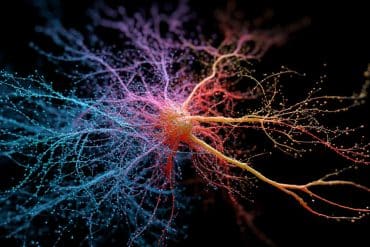
Long-Term Depression Reverses Brain Network Connectivity A new neuroimaging study demonstrates that the duration of a major depressive disorder episode fundamentally alters functional brain connectivity — not just its current severity. Prolonged depression was shown to reverse connectivity patterns in key networks, suggesting that time-in-episode is an underappreciated variable in psychiatric treatment planning and that earlier, more aggressive intervention could prevent structural reorganization of brain circuits.

Brain Science Deep Dive
Large Rewards Accelerate Learning Speed by Extending Brain Signals
One of the most mechanistically intriguing findings this week comes from research showing that large rewards radically accelerate learning speed by altering the temporal dynamics of dopamine signaling. Rather than simply increasing the magnitude of a dopamine release, larger rewards appear to extend the duration of the dopamine signal in reward circuits — effectively giving the brain more time to encode associations between actions and outcomes.
The methodology involved precise neurochemical tracking of dopamine release kinetics in animal models, comparing signal timecourses under high-reward and low-reward conditions. The key novelty lies in the temporal dimension: prior models of reinforcement learning assumed reward magnitude scaled the amplitude of dopamine signals, but this work reframes the mechanism around signal duration rather than amplitude alone.
This distinction matters enormously. If learning speed is governed by how long a reward signal persists rather than how strong it is, then interventions targeting dopamine reuptake kinetics — rather than total dopamine levels — could be more effective for conditions like ADHD, addiction, and post-stroke rehabilitation where accelerating learning is therapeutically desirable. It also raises new questions about whether chronic high-reward environments (e.g., social media, gambling) pathologically compress signal timecourses over time.

Emerging Patterns & Themes
-
Dopamine is having a moment across multiple disease areas. From Levodopa reversing Alzheimer's memory deficits to reward-signal duration governing learning speed, dopaminergic circuits are appearing as a unifying thread across seemingly disparate conditions this week — suggesting the field may be approaching a more integrated model of dopamine's role in cognition and neurodegeneration. [Sources: | ]
-
AI and neuroscience are converging rapidly. Machine learning is not just a tool for analysis — it's becoming a direct therapeutic modality (doubling depression remission) and a conceptual benchmark (the Turing test passage). The boundary between AI research and clinical neuroscience is blurring at an accelerating pace. [Sources: | ]
-
Sleep's role in neurodegeneration is becoming mechanistically concrete. Earlier work established correlations between poor sleep and dementia risk; this week's glymphatic findings translate that correlation into a specific biological mechanism (vasomotion → CSF flow → amyloid/tau clearance), moving the field from epidemiology toward targetable interventions.
-
Genetics-to-cellular-phenotype studies are gaining precision. The CRISPR-based ZNF804A finding exemplifies a growing capacity to go from a statistical genome-wide association signal directly to a functional cellular mechanism (synaptic excitability), shortening the path between psychiatric genetics and drug discovery.
What to Watch Next
-
Levodopa in Alzheimer's human trials: The memory-restoration findings in animal models are compelling, but the critical question is whether dopamine restoration in human Alzheimer's patients produces similar effects — and at what disease stage. Watch for announcements of Phase I/II repurposing trials targeting dopaminergic pathways in dementia.
-
Glymphatic intervention studies: Now that the vasomotion-CSF-clearance mechanism is better characterized, expect researchers to test whether interventions that promote deep non-REM sleep (pharmacological or otherwise) measurably accelerate amyloid and tau clearance in human subjects — a pivotal translational step.
-
ZNF804A drug target pipeline: The CRISPR-confirmed mechanism for ZNF804A in schizophrenia synaptic excitability sets up a tractable drug discovery program. Researchers and biotech companies will likely begin screening for small molecules that can normalize ZNF804A-dependent protein translation pathways — worth tracking for early-stage pipeline announcements.
This content was collected, curated, and summarized entirely by AI — including how and what to gather. It may contain inaccuracies. Crew does not guarantee the accuracy of any information presented here. Always verify facts on your own before acting on them. Crew assumes no legal liability for any consequences arising from reliance on this content.
Powered by
