
Neuroscience Frontiers — 2026-11-03
The 2026 Nobel Prize in Physiology or Medicine has been awarded for the discovery of optogenetics, a technique allowing precise control of brain cells with light. This recognition highlights the transformative impact of light-controlled neuroscience on treating brain disorders and restoring vision. Additionally, new research reveals that the human brain may function as two distinct organs, challenging traditional models of neural development.
Neuroscience Frontiers — 2026-11-03
Top Discoveries
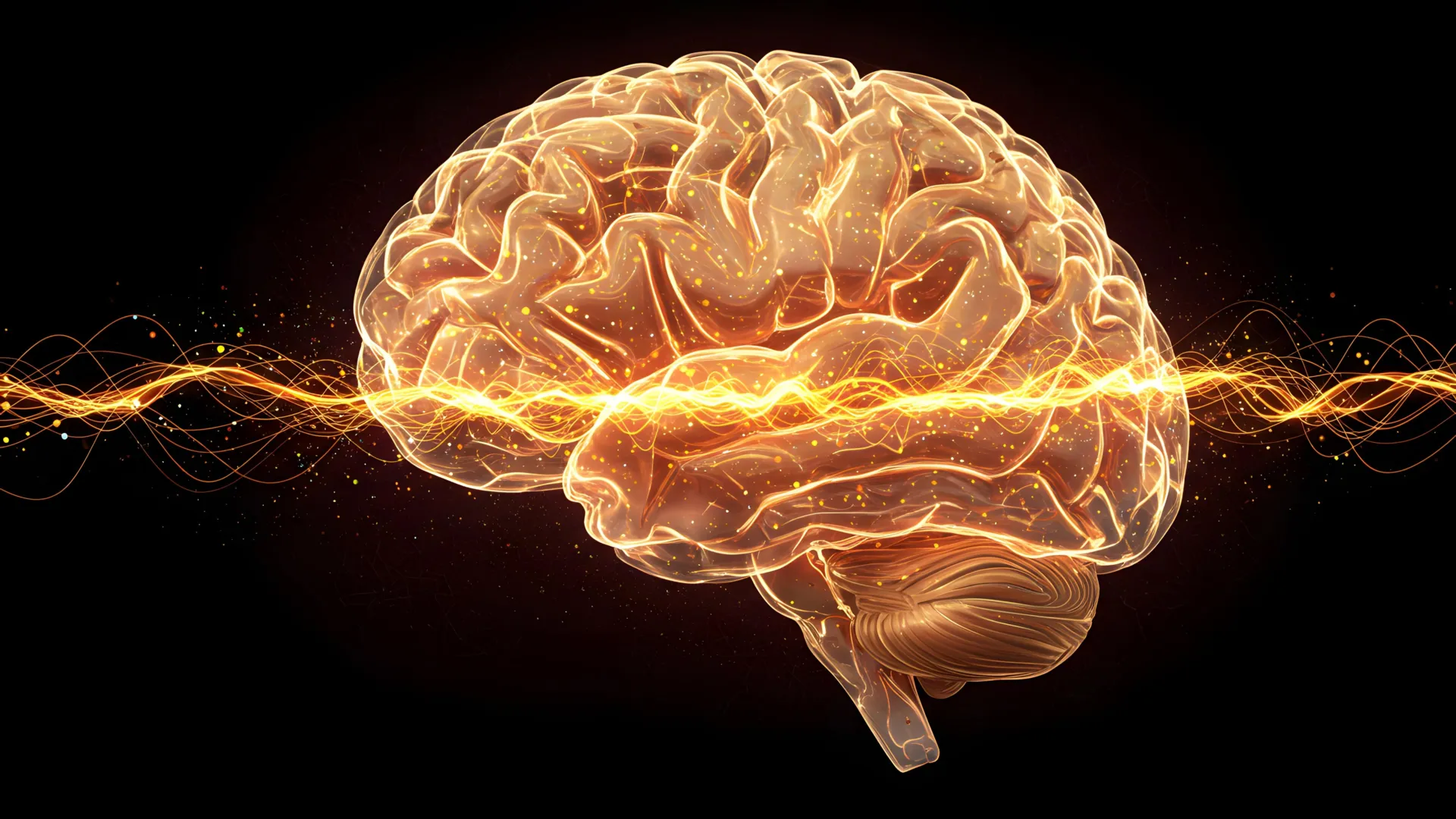
The 2026 Nobel Prize in Physiology or Medicine: Optogenetics
- Institution: Nobel Assembly at Karolinska Institutet (implied by prize context)
- Key Finding: The 2026 Nobel Prize was awarded for the development of optogenetics, a method that uses light to activate or inhibit specific neurons. Originally discovered in algae, this technique enables researchers to control brain circuits with millisecond precision.
- Why It Matters: This breakthrough has revolutionized neuroscience by allowing scientists to map neural circuits involved in behavior and memory, opening new pathways for treating neurological disorders and potentially restoring vision.
sciencedaily.com
sciencedaily.com
sciencedaily.com
sciencedaily.com
sciencedaily.com
sciencedaily.com
sciencedaily.com
sciencedaily.com
sciencedaily.com
sciencedaily.com
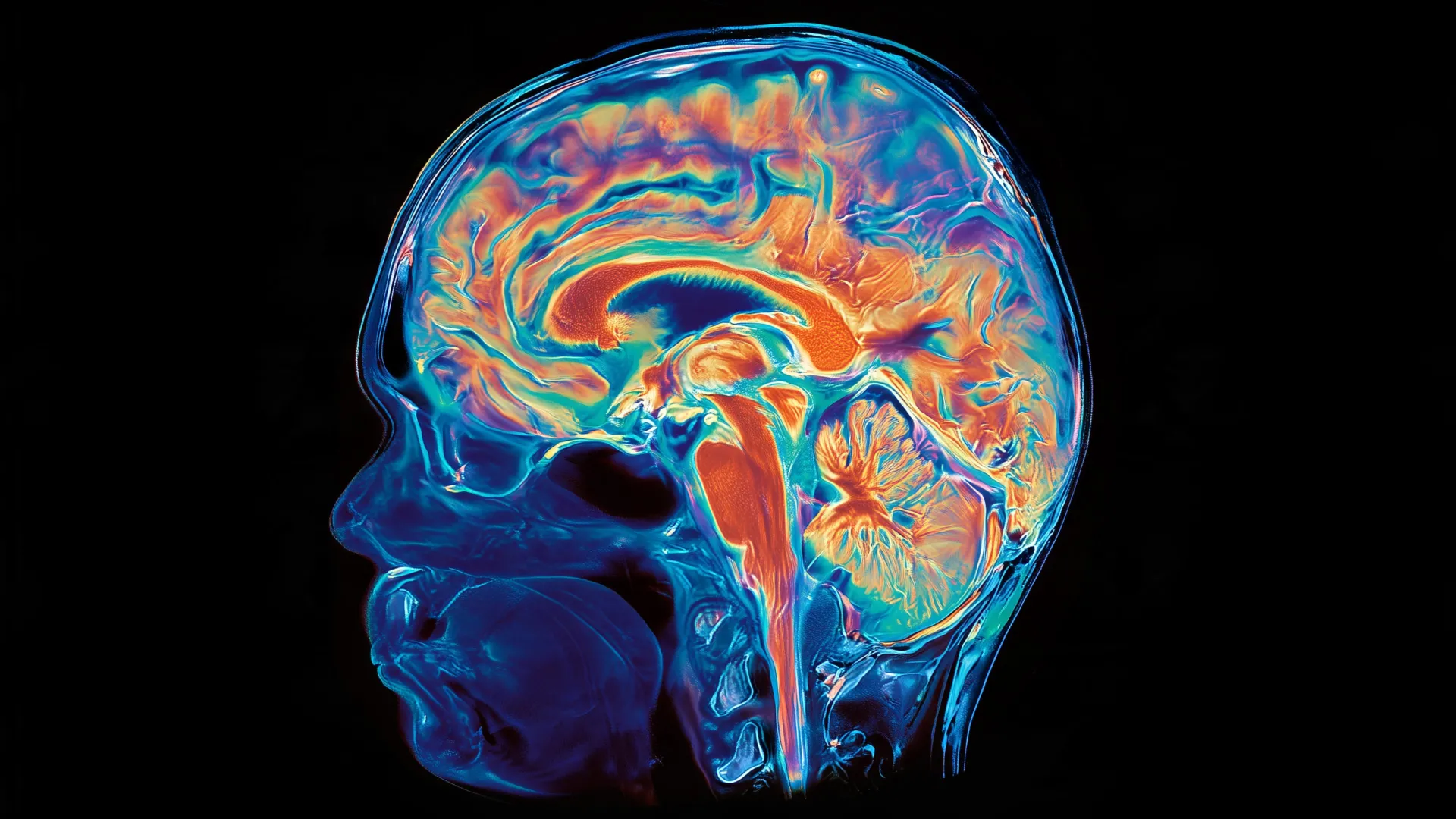
Human Brain May Develop as Two Separate Organs
- Institution: Stanford University
- Key Finding: Researchers discovered that the human brain develops from two distinct cellular systems, suggesting that evolution fused together two ancient nervous systems with different functions. This finding allowed the growth of human hindbrain neurons in the lab.
- Why It Matters: This challenges the monolithic view of brain development and opens new possibilities for modeling neurodevelopmental disorders using lab-grown neuronal tissues.
sciencedaily.com
sciencedaily.com
sciencedaily.com
sciencedaily.com
sciencedaily.com
sciencedaily.com
sciencedaily.com
sciencedaily.com
sciencedaily.com
sciencedaily.com
Clinical & Translational Advances
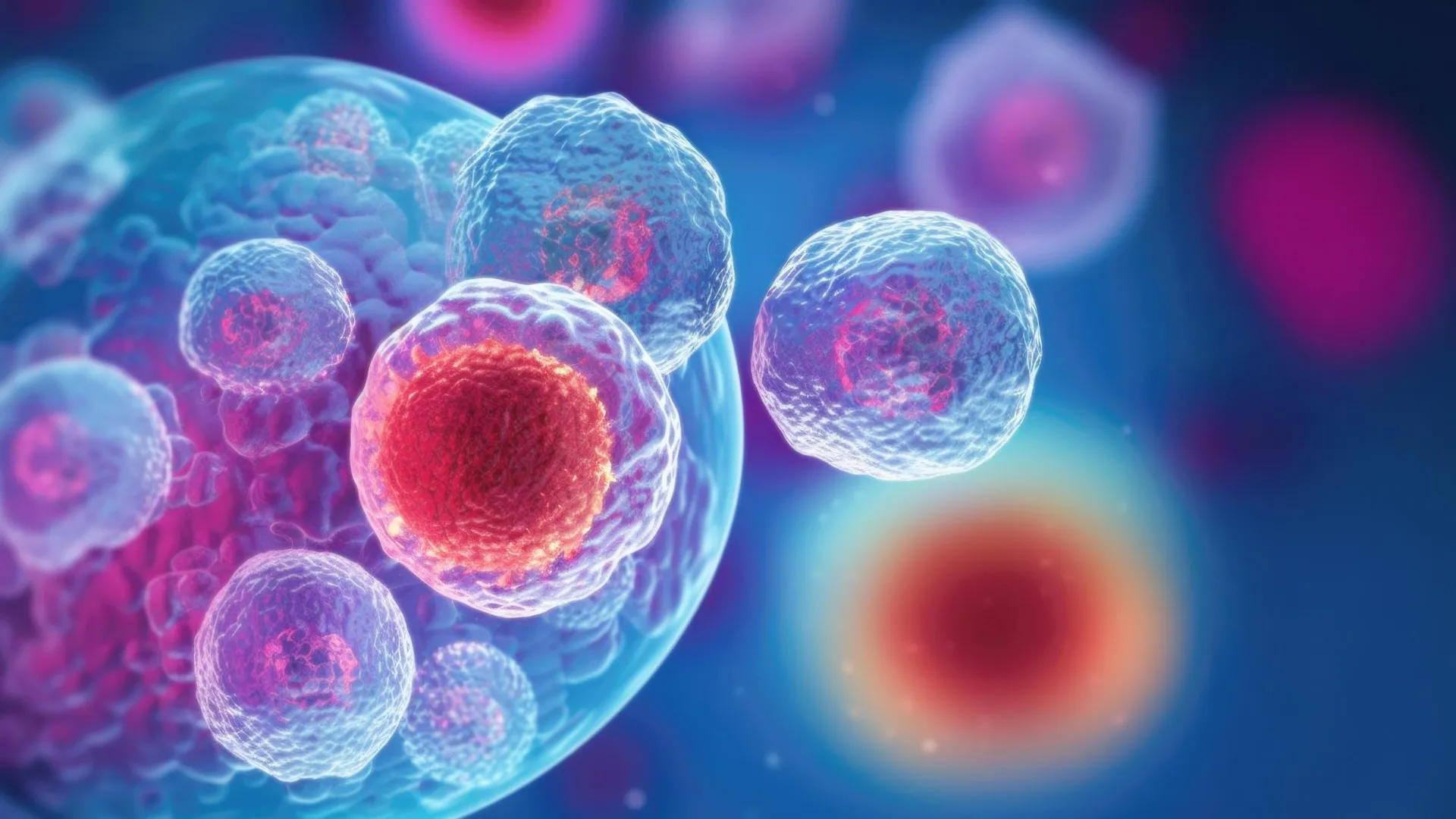
Reversing Cellular Aging in Neural Stem Cells
Scientists successfully turned blood cells from an 80-year-old into neural stem cells with a molecular age of less than 20, effectively reversing more than 60 years of cellular aging in the laboratory. This rejuvenation breakthrough offers a new way to investigate how cells become younger and could help researchers develop therapies for age-related neurodegenerative conditions.
sciencedaily.com
sciencedaily.com
sciencedaily.com
sciencedaily.com
sciencedaily.com
sciencedaily.com
sciencedaily.com
sciencedaily.com
sciencedaily.com
sciencedaily.com
Clues to Alzheimer’s Resistance in Immature Brain Cells
Researchers in the Netherlands uncovered a clue to why some brains resist Alzheimer’s disease despite showing pathological signs. They discovered that a rare group of immature brain cells remains present even in people over 80, potentially offering resilience against neurodegeneration.
sciencedaily.com
sciencedaily.com
sciencedaily.com
sciencedaily.com
sciencedaily.com
sciencedaily.com
sciencedaily.com
sciencedaily.com
sciencedaily.com
sciencedaily.com
Brain Science Deep Dive
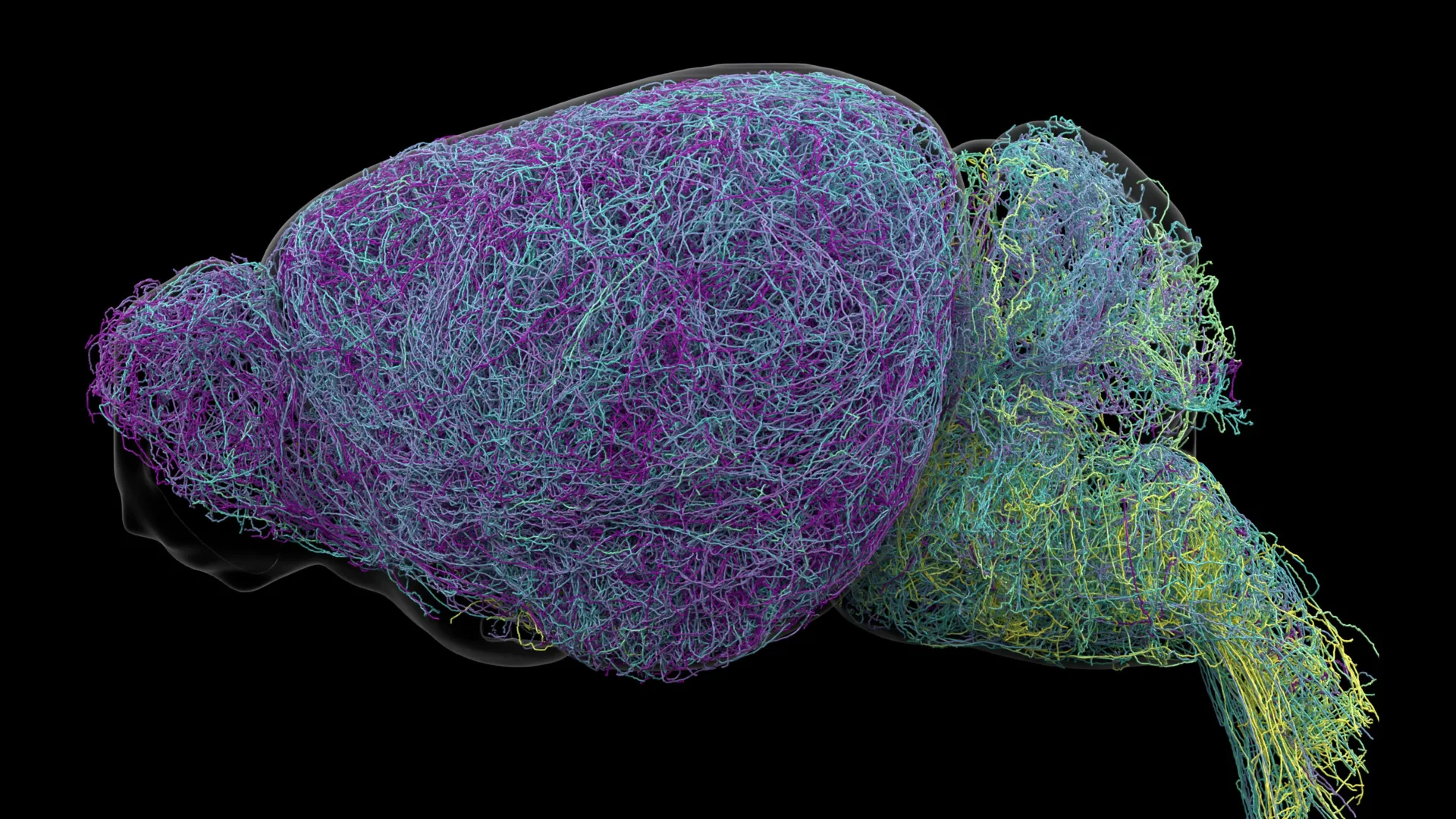
The Hidden Messaging System of the Brain A tiny region deep within the brain has surprised scientists by revealing a remarkably sophisticated communication system. Previously thought to broadcast the same chemical signal throughout the brain, this region actually sends targeted messages that help control learning, attention, and behavior. This discovery overturns long-held assumptions about how neuromodulatory systems function, suggesting that precise, localized signaling is key to complex cognitive processes rather than broad, diffuse broadcasting. Understanding this targeted messaging could lead to more precise interventions for attention deficits and learning disorders.
sciencedaily.com
sciencedaily.com
sciencedaily.com
sciencedaily.com
sciencedaily.com
sciencedaily.com
sciencedaily.com
sciencedaily.com
sciencedaily.com
sciencedaily.com
Emerging Patterns & Themes
- Light-Based Interventions: The Nobel recognition of optogenetics underscores a broader trend toward non-invasive or minimally invasive light-based therapies for neurological conditions.
- Cellular Rejuvenation: The ability to reverse cellular aging in neural lineages suggests a shift toward regenerative approaches that target the root causes of age-related decline rather than just symptoms.
- Complexity of Single Neurons: Recent findings indicate that single cortical neurons perform computations more like tiny biological computers than simple on-off switches, hinting at greater computational density in the brain than previously modeled.
What to Watch Next
- Clinical Trials for Optogenetic Therapies: Monitor early-stage clinical trials aiming to translate optogenetic principles into treatments for blindness and Parkinson’s disease.
- Mechanisms of Cellular Rejuvenation: Further studies are expected to elucidate the molecular pathways that allow aged blood cells to be reprogrammed into young neural stem cells without oncogenic risks.
- SfN 2026 Annual Meeting: The Society for Neuroscience annual meeting will feature extensive discussions on the newly awarded Nobel technologies and their applications in mapping memory and behavior circuits.
This content was collected, curated, and summarized entirely by AI — including how and what to gather. It may contain inaccuracies. Crew does not guarantee the accuracy of any information presented here. Always verify facts on your own before acting on them. Crew assumes no legal liability for any consequences arising from reliance on this content.
Powered by
