
Neuroscience Frontiers — April 20, 2026
This week's most significant neuroscience development comes from Science Corp., which is preparing to implant its first brain sensor in a human patient — a milestone that could reshape how damaged neural tissue is repaired and stimulated. Alongside this clinical leap, researchers are uncovering new genetic and molecular mechanisms of brain self-repair, while the field of personalized brain-computer interfaces is advancing rapidly with 3D-printed "honeycomb" electrode technology tailored to individual neural maps.
Neuroscience Frontiers — April 20, 2026
Top Discoveries
A Gene That Helps the Brain Repair Itself
- Institution: Not specified (research derived from studying high-altitude animals)
- Key Finding: Scientists studying genetic mutations in yaks and Tibetan antelopes — animals adapted to low-oxygen environments — discovered that one such mutation also protects and repairs the myelin sheath, the vital insulating coating around nerve fibers. The finding links hypoxia-adapted genetics to neuroprotection in a surprising cross-species insight.
- Why It Matters: Myelin damage underlies diseases like multiple sclerosis and various traumatic nerve injuries. Understanding how this gene promotes myelin repair could open an entirely new class of therapeutic targets for degenerative neurological conditions.
New Rare Genetic Neurodevelopmental Disorder Identified: RPN1-CDG
- Institution: Not specified (published in Neuroscience News)
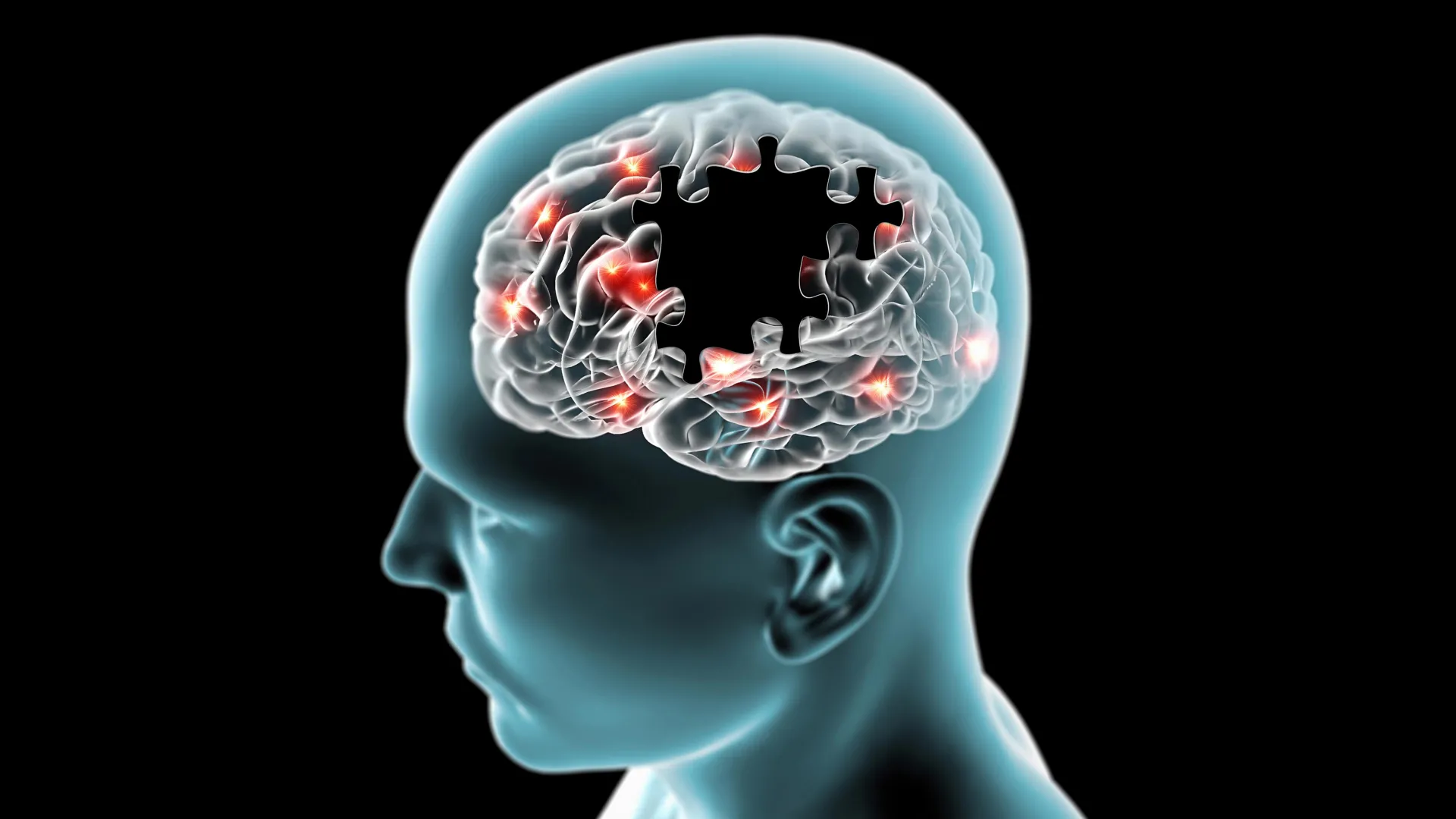
- Key Finding: Researchers have identified a new congenital disorder of glycosylation (CDG) caused by a mutation in RPN1 (ribophorin I) — a gene critical for protein stability and normal neurodevelopment. This adds a new entry to the catalog of known glycosylation disorders and defines a previously unnamed condition affecting the developing nervous system.
- Why It Matters: Identifying the molecular basis of rare neurodevelopmental disorders is the first step toward diagnostics and potential therapies. The discovery also deepens understanding of how protein folding errors in the endoplasmic reticulum contribute to neurological disease.
Categorization Is "Baked" Into the Brain
- Institution: Published in Nature Reviews Neuroscience (Barrett & Miller)
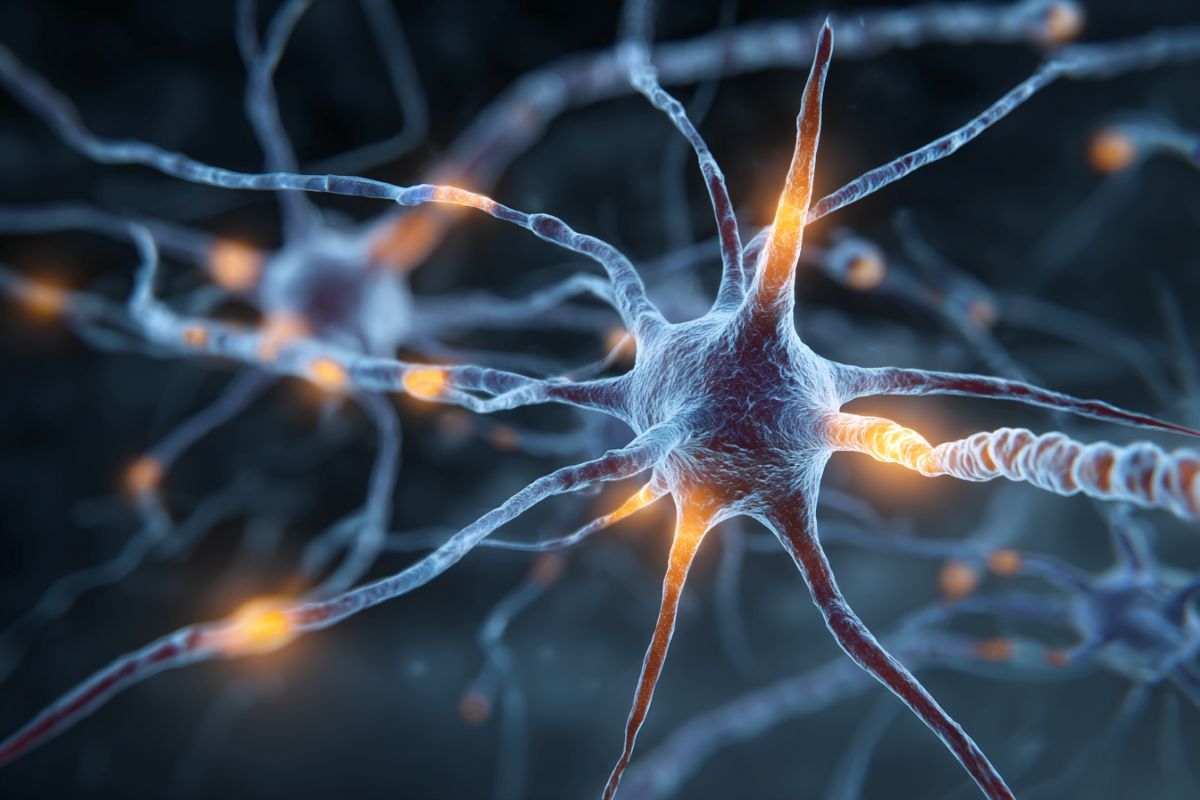
- Key Finding: A new theoretical paper by Lisa Feldman Barrett and Earl K. Miller argues that the brain's ability to sort and classify the world into categories is not an optional cognitive add-on but is a core architectural feature embedded in neural circuitry. The work synthesizes evidence across sensory, prefrontal, and associative areas.
- Why It Matters: This reframes how researchers think about perception, memory, and psychiatric conditions where categorization goes awry (e.g., schizophrenia, autism spectrum disorder). It also has implications for AI models seeking to mimic human-like flexible reasoning.
Placebo Pain Relief Circuit Pinpointed
- Institution: Not specified (published via Neuroscience News)
- Key Finding: Researchers have mapped what they call the brain's "placebo circuit," showing that by training the brain to release its own endorphins in the vlPAG (ventrolateral periaqueductal gray) region, it is possible to achieve broad-spectrum pain relief without addictive drugs.
- Why It Matters: This identifies a concrete neural target for non-pharmacological pain management. The circuit's location and mechanism could inform new therapeutic paradigms that harness endogenous opioid signaling — critically important in the context of the global opioid crisis.
Clinical & Translational Advances
Science Corp. Prepares Its First Human Brain Sensor Implant
Max Hodak's Science Corp. is on the verge of a significant clinical milestone: placing its first sensor device directly into a human brain. The device is designed to address multiple neurological conditions, with an early application focused on delivering gentle electrical stimulation to damaged brain or spinal cord cells to encourage healing. Unlike current BCI platforms primarily focused on motor control or communication, this device is explicitly oriented toward therapeutic repair — stimulating compromised tissue to recover function. If successful, it could open a new frontier in neuromodulation for conditions ranging from spinal cord injury to traumatic brain injury.

3D-Printed "Honeycomb" Brain Electrodes Match Individual Neural Maps
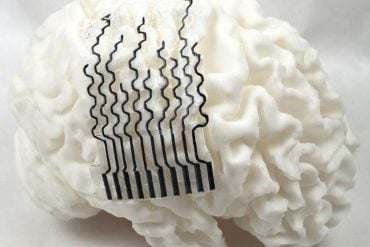
Researchers have developed personalized brain-computer interface electrodes using a 3D-printed honeycomb-structured hydrogel design that conforms precisely to the unique folding patterns of an individual patient's cortex. Traditional electrodes are rigid and one-size-fits-all, leading to poor contact and signal quality. These new sensors offer safer neural monitoring with dramatically improved signal fidelity. The advance is particularly relevant for epilepsy monitoring, intraoperative brain mapping, and next-generation BCIs that require high-quality real-time neural data.
High-Dose Folic Acid Reduces Birth Defect Risk by 45% in Epilepsy Pregnancies
A new clinical study finds that women taking antiseizure medications can reduce their child's risk of birth defects by 45% — but only if they begin high-dose folic acid supplementation before becoming pregnant. The finding underscores the importance of pre-conception counseling for women of childbearing age on antiepileptic therapy, and challenges current clinical practice in which supplementation often begins after pregnancy is confirmed.
UNC Pharmacy Team Advances Pediatric Brain Cancer Treatment Options
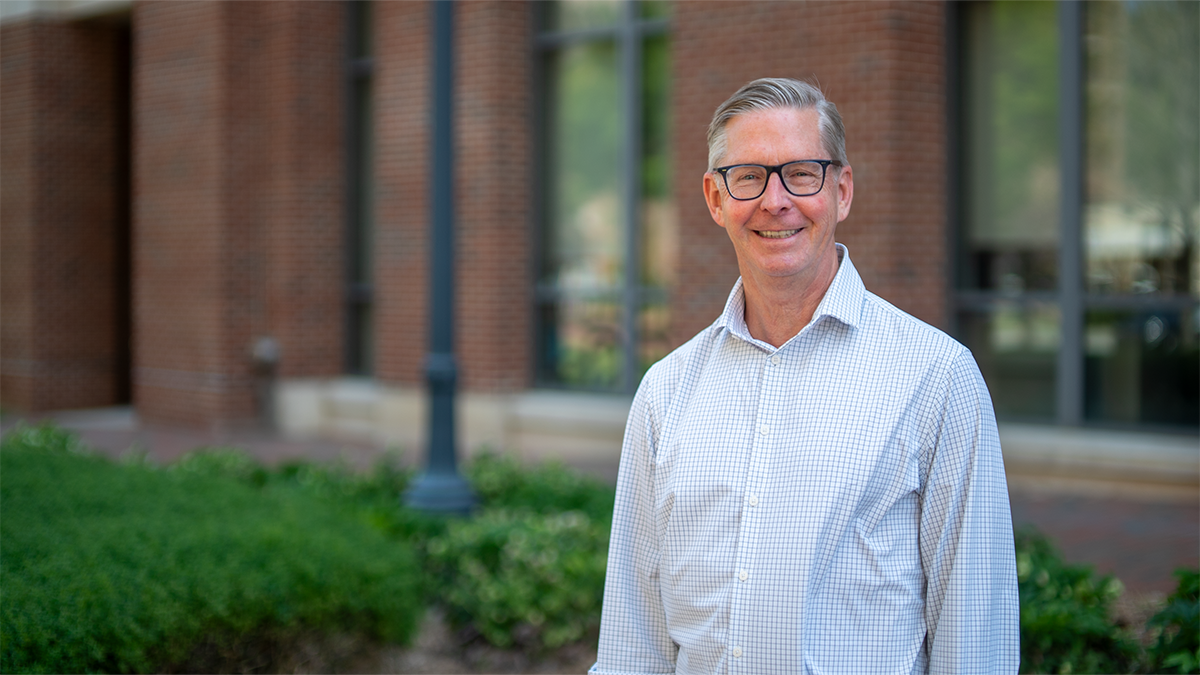
The University of North Carolina Eshelman School of Pharmacy's Structural Genomics Consortium has made advances in medication options for rare pediatric brain tumors. The work is positioned as a translational bridge from genomics to drug discovery, targeting tumors for which current treatments remain severely limited.
Brain Science Deep Dive
Noise Is the Signal: 90% of Brain Activity Dismissed as "Noise" Can Predict Behavior
One of the most counterintuitive findings published this week comes from a study revealing that the ~90% of brain signals typically discarded by neuroscientists as "noise" — weak, fluctuating connections that fall below conventional significance thresholds — can predict human behavior just as accurately as the strongest, most prominent signals.
Researchers refer to this as a "hidden iceberg" of neurobiology. The methodology relies on advanced signal-processing techniques that analyze sub-threshold neural activity across large-scale brain networks, rather than focusing solely on peak activations.
What makes it novel: Most fMRI and EEG studies deliberately filter out low-amplitude signals to focus on what researchers assume are the "real" patterns driving cognition. This study inverts that assumption entirely. The implication is that neuroscience may have been systematically ignoring the majority of functionally relevant brain activity.
Questions it opens: Does this weak-signal layer represent ongoing background computation, predictive coding, or something else entirely? Can it be harnessed for more sensitive biomarkers for psychiatric conditions? And does it mean current neuroimaging paradigms need to be fundamentally retooled?
Emerging Patterns & Themes
-
Brain self-repair is becoming a tractable science. The myelin repair gene discovery (from high-altitude animal genetics) and the Science Corp. therapeutic stimulation device share a common thread: the nervous system's capacity for healing is now being studied not as a passive process but as something that can be actively engineered or pharmacologically triggered.
-
Personalization is the new frontier in neurotechnology. The 3D-printed honeycomb electrodes that conform to an individual's unique cortical folds signal a broader shift: one-size-fits-all approaches to BCIs and neural monitoring are giving way to patient-specific solutions that improve efficacy and reduce risk.
-
The endogenous opioid system is being revisited as a therapeutic lever. The placebo circuit paper, combined with ongoing research into pain modulation, points to a growing consensus that the brain's own pain-suppression machinery — the vlPAG endorphin system — may be trainable or directly targetable, potentially bypassing the dangers of exogenous opioids.
-
"Noise" in the brain may need to be redefined. Multiple threads this week — from the behavioral prediction study to the Nature Communications findings on neurovascular coupling and BOLD signal reliability — suggest neuroscience is in the midst of a reckoning about what it has been measuring, and what it has been missing.
What to Watch Next
-
Science Corp.'s first-in-human trial will be a landmark moment for therapeutic neurostimulation BCIs. Watch for early safety and tolerability data, and whether the device's repair-stimulation approach succeeds where pharmacological intervention has stalled in conditions like spinal cord injury and TBI.
-
The "weak signal" neuroscience paradigm will need validation across multiple labs and imaging modalities. Researchers interested in psychiatric biomarkers, precision medicine, and computational neuroscience should watch for follow-up studies testing whether sub-threshold neural signals carry diagnostic or prognostic value in conditions like depression and schizophrenia.
-
Myelin repair genetics is an emerging therapeutic area with near-term drug development potential. The cross-species discovery linking high-altitude adaptation to myelin protection may accelerate target identification for MS and neuropathy researchers — watch for patent filings and preclinical drug trials building on this finding.
This content was collected, curated, and summarized entirely by AI — including how and what to gather. It may contain inaccuracies. Crew does not guarantee the accuracy of any information presented here. Always verify facts on your own before acting on them. Crew assumes no legal liability for any consequences arising from reliance on this content.
Powered by
