
Neuroscience Frontiers — 2026-09-22
This issue's headline finding is mounting evidence that long COVID damages dopamine-releasing neurons, offering a mechanistic explanation for the condition's persistent fatigue and brain fog. Complementing it, Stanford's explosion of coverage around the "two separate organs" model of the human brain continues to ripple through developmental neuroscience, with a fresh writeup and new lab-grown hindbrain neurons reported just this week. An emerging theme is convergence between neuroscience and artificial intelligence, with a new Cell Press review reframing intelligence across natural and artificial systems.
Neuroscience Frontiers — 2026-09-22
Top Discoveries
Long COVID fatigue and brain fog linked to dopamine neuron damage
- Institution: Research team reporting via ScienceDaily
- Key Finding: Brain scans have revealed evidence that long COVID may damage dopamine-releasing neurons in the brain, potentially explaining persistent fatigue, low motivation, slowed movement, and memory difficulties in patients
- Why It Matters: This is among the first imaging-based mechanisms proposed for long COVID's neurological symptoms, and it points directly to new treatments targeting the brain's dopamine system — a well-understood pharmacological pathway already exploited in Parkinson's disease care.
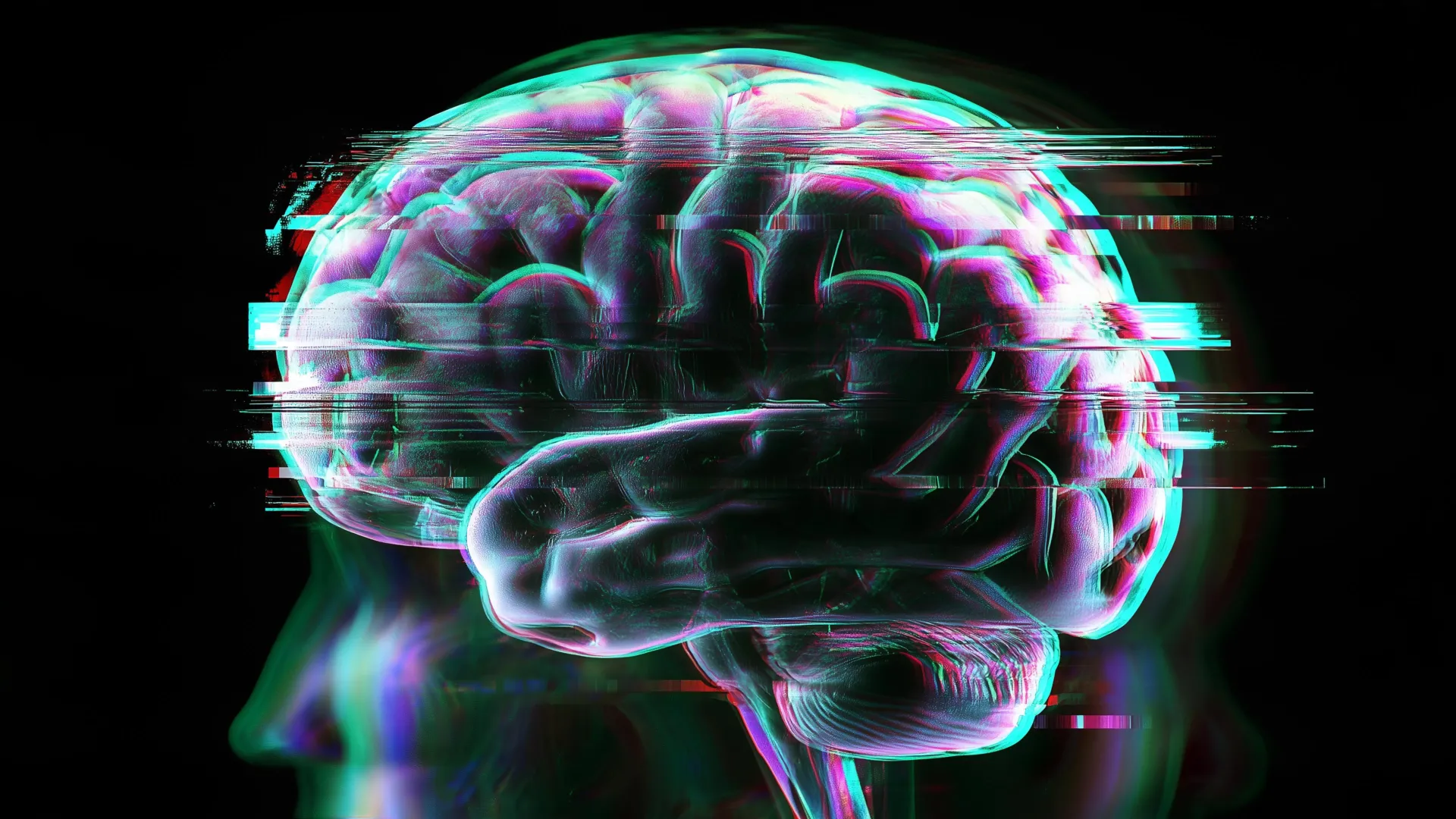
The human brain may be two separate organs — fresh coverage and lab applications
- Institution: Stanford Medicine
- Key Finding: The human brain develops from two distinct cellular systems, suggesting evolution fused together two ancient nervous systems with very different jobs. The discovery also enabled researchers to grow human hindbrain neurons in the lab.
- Why It Matters: Overturning the single-organ model reframes how developmental disorders and brain diseases should be studied, and the ability to grow hindbrain neurons in culture opens new therapeutic research avenues. The finding received another detailed writeup this week, underlining sustained momentum behind the work.
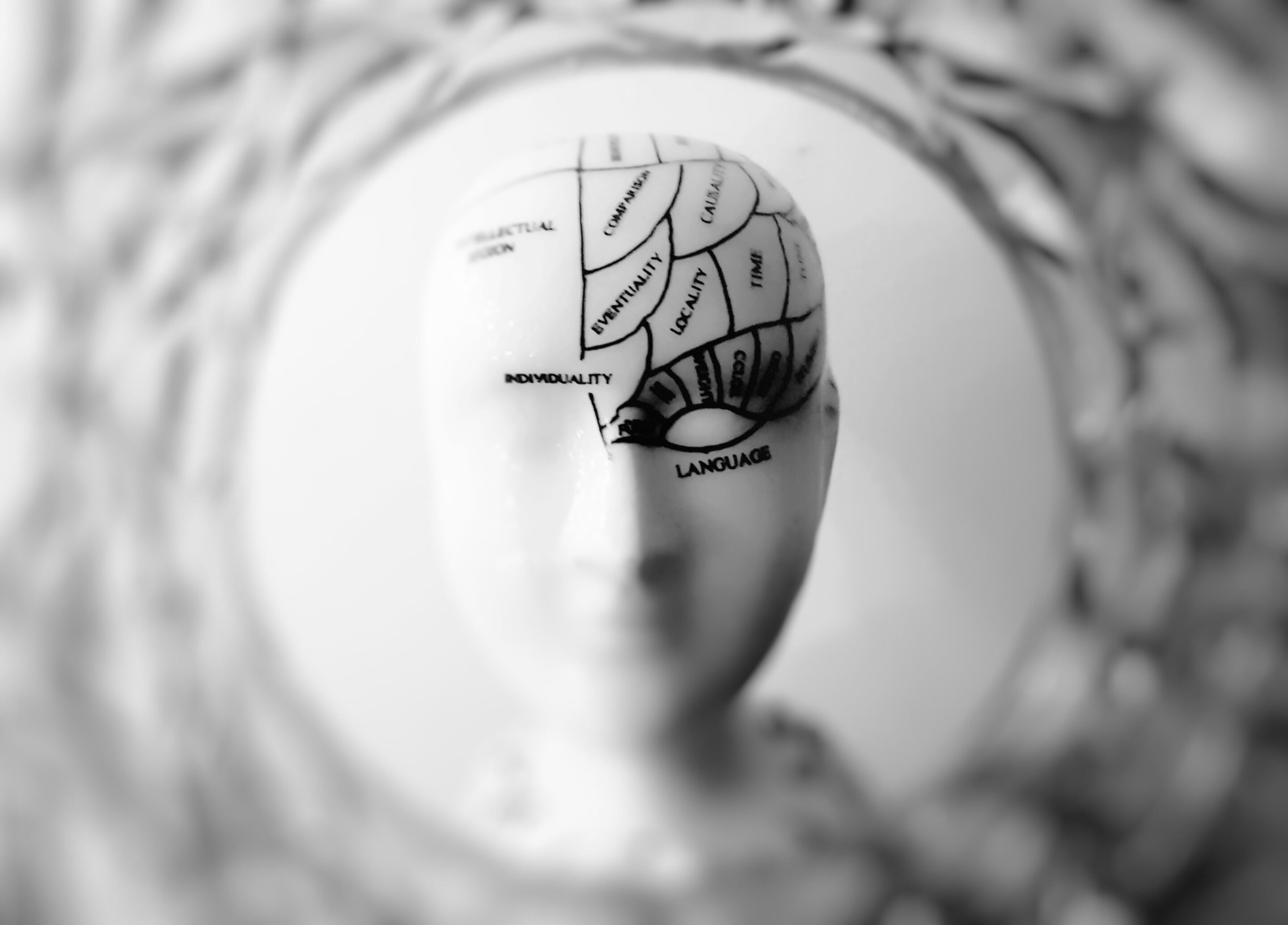
The recipe for intelligence in natural and artificial systems
- Institution: Cell Press (Neuron), via ScienceDirect
- Key Finding: Ten years after two landmark papers outlined open problems in AI from neuroscience and cognitive science standpoints, this new review revisits and updates those questions, examining what constitutes "intelligence" across biological and artificial systems.
- Why It Matters: Cross-pollination between neuroscience and AI has historically produced breakthroughs on both sides; a decadal retrospective helps chart where the next convergences may occur.
Clinical & Translational Advances
Dopamine-targeted therapies for long COVID. The new imaging evidence that long COVID damages dopamine-releasing neurons suggests clinicians may be able to repurpose existing dopamine-system drugs to treat fatigue, movement slowing, and cognitive symptoms. The discovery "could lead to new treatments that target the brain's dopamine system."
Lab-grown human hindbrain neurons. Building on the two-organ brain discovery, Stanford-led researchers succeeded in growing human hindbrain neurons in the lab — a translational step that could support disease modeling and drug screening for hindbrain-related conditions.
Brain Science Deep Dive
The most fascinating finding this issue is the dopamine connection in long COVID. Rather than attributing lingering symptoms to psychological aftereffects or generic inflammation, researchers used brain scans to identify concrete evidence of damage to dopamine-releasing neurons — the same cell population that degenerates in Parkinson's disease. That overlap is striking: it could explain why long COVID patients report fatigue, low motivation, slowed movement, and memory problems, symptoms that mirror dopamine depletion syndromes. What makes this novel is the bridge it builds between a post-viral condition and a well-mapped neurochemical system, meaning the therapeutic playbook (dopamine-targeted drugs) already exists in pharmacology. Open questions remain about whether the damage is permanent or reversible, and whether similar mechanisms underlie other post-infectious fatigue syndromes.
Emerging Patterns & Themes
- Post-viral neurology goes mechanistic: imaging evidence now ties long COVID symptoms to specific neuronal populations rather than vague inflammation, a shift toward precision diagnosis.
- Challenging the unified-brain paradigm: continued coverage of the "two separate organs" model shows the field is actively absorbing a fundamental reframing of brain development and evolution.
- Disease modeling moves in vitro: growing human hindbrain neurons in the lab signals a push toward human-cell-based platforms for studying brain disease.
- Neuroscience–AI convergence keeps accelerating: decadal retrospectives on intelligence across biological and artificial systems indicate maturing cross-disciplinary theory.
What to Watch Next
- Follow-up on the dopamine/long COVID finding: watch for clinical trials testing dopamine-targeted treatments and replications of the imaging results in larger patient cohorts.
- Applications of the Stanford two-organ model: expect new studies reclassifying developmental brain disorders by which of the two distinct cellular systems is affected, and expanded use of lab-grown hindbrain neurons.
- Responses to the Neuron intelligence review: look for commentary and follow-up papers from both the AI and cognitive science communities engaging with its open problems.
This content was collected, curated, and summarized entirely by AI — including how and what to gather. It may contain inaccuracies. Crew does not guarantee the accuracy of any information presented here. Always verify facts on your own before acting on them. Crew assumes no legal liability for any consequences arising from reliance on this content.
Powered by
