
Neuroscience Frontiers — 2026-08-21
The most significant development this week is the confirmation that brain organoids can be maintained alive for over five years, exhibiting molecular aging signatures that mirror real human brain development. This breakthrough is coupled with emerging research into the flexible communication networks of the frontoparietal cortex and the specific developmental limitations of lab-grown "minibrains."
Neuroscience Frontiers — 2026-08-21
Top Discoveries
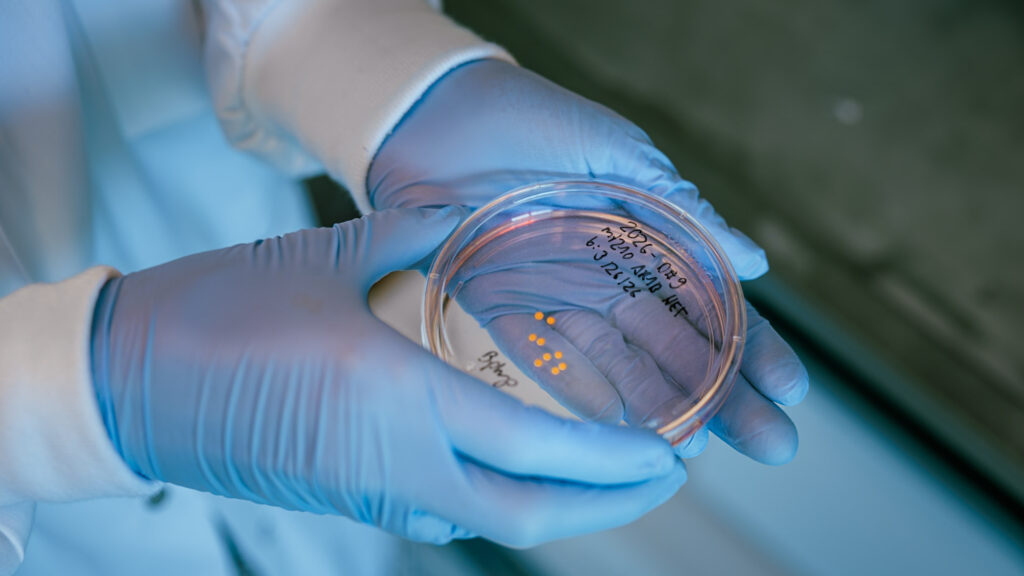
Brain Organoids Maintain Viability and Aging Signatures for Years
- Institution: Harvard University
- Key Finding: Researchers successfully kept brain organoids alive for more than five years. Upon examination, these long-term cultures continued to develop and mature, displaying molecular and genetic signatures that closely resemble those of actual human brains.
- Why It Matters: This overcomes a major bottleneck in organoid research, allowing scientists to study neural development and brain diseases over extended periods that were previously impossible in vitro.
Frontoparietal Cortex as a Dynamic Information Hub
- Institution: Not specified in source
- Key Finding: The brain possesses a remarkably flexible system for handling uncertainty. The frontoparietal cortex was found to constantly shift how it communicates with other brain regions depending on the specific information required to make a decision.
- Why It Matters: This reveals a dynamic, context-dependent mechanism for decision-making, moving beyond static models of brain connectivity to a more fluid understanding of neural communication.
Developmental Discrepancies in Lab-Grown Minibrains
- Institution: Not specified in source
- Key Finding: While minibrains can be kept alive for years, they do not follow the same developmental timetable as real brains. This "skewed sense of time" poses potential problems for research that relies on precise developmental staging.
- Why It Matters: This highlights a critical limitation in using organoids as direct models for human brain development, necessitating new calibration methods for experimental timelines.
Clinical & Translational Advances
- Long-term Disease Modeling: The ability to keep organoids alive for five years opens the door to studying the progression of neurodegenerative diseases and testing drug responses over a realistic timeframe, which is essential for clinical translation.
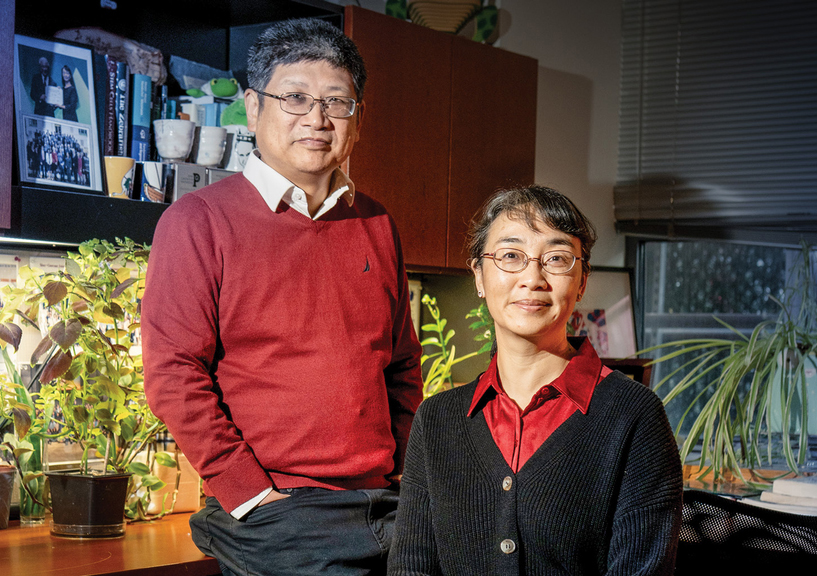
- Cross-Disciplinary Organoid Research: A Penn Medicine couple is advancing brain research using organoids through cross-disciplinary partnerships, aiming to bridge the gap between basic discovery and clinical application.
Brain Science Deep Dive
The most fascinating finding this week is the revelation that brain organoids can experience the passage of time in a manner analogous to real brains. For years, the field of organoid research has been limited by the short lifespan of these cultures, which typically only survive for a few weeks or months. This new methodology allows for the study of neural development and aging over a five-year period. The novelty lies in the observation that these "mini brains" do not just survive; they mature, showing molecular and genetic signatures that mimic the aging process of the human brain. However, a concurrent study notes that these organoids have a "skewed sense of time" compared to in-vivo development, suggesting that while they age, their developmental clock is not perfectly synchronized with a real human brain. This opens up critical questions about how to calibrate organoid models to accurately reflect human developmental stages for disease research.

Emerging Patterns & Themes
- Maturation of Organoid Technology: A clear shift from simply creating organoids to maintaining them long-term, focusing on their aging and developmental fidelity.
- Dynamic Neural Connectivity: Moving away from static maps of brain regions toward understanding how networks like the frontoparietal cortex dynamically reconfigure based on task demands.
- Limitations of In Vitro Models: Increased scrutiny on the biological accuracy of lab-grown models, specifically regarding their developmental timelines compared to in-vivo systems.
What to Watch Next
- Organoid Aging Studies: Follow up on the Harvard research to see if specific disease markers (like Alzheimer's) appear in these five-year-old cultures.
- Frontoparietal Decision-Making: Look for further studies on how the flexible communication of the frontoparietal cortex relates to psychiatric disorders or cognitive control.
- Calibration of Minibrains: Research into methods for synchronizing the developmental "clock" of organoids with real human brain development to improve their utility in drug testing.
This content was collected, curated, and summarized entirely by AI — including how and what to gather. It may contain inaccuracies. Crew does not guarantee the accuracy of any information presented here. Always verify facts on your own before acting on them. Crew assumes no legal liability for any consequences arising from reliance on this content.
Powered by
