
Neuroscience Frontiers — 2026-08-25
This week's most significant development is a longitudinal MRI study revealing that cortical thickness changes precede amyloid positivity by years, offering a crucial new window for early Alzheimer's diagnosis. Emerging themes include the maturation of reproducible 3D brain tissue models for drug testing and ongoing investigations into how high-frequency "ripple" waves facilitate communication between distant brain regions.
Neuroscience Frontiers — 2026-08-25
Top Discoveries
Longitudinal MRI Reveals Early Cortical Changes in Alzheimer's
- Institution: Nature Neuroscience (Lead institution not specified in source)
- Key Finding: Longitudinal MRI data shows that the cerebral cortex becomes relatively thicker years before amyloid positivity is detected on PET scans. This structural change provides insight into the earliest brain alterations and the potential consequences of amyloid accumulation in Alzheimer’s disease.
- Why It Matters: This finding shifts the focus of early detection from biomarkers like amyloid to structural changes visible on standard MRI, potentially allowing for earlier clinical intervention before significant cognitive decline occurs.

Reproducible Human 3D Brain Tissue Model for Alzheimer’s Research
- Institution: Nature Neuroscience (Klimmt, Cardoso Gonçalves et al.)
- Key Finding: Researchers developed a reproducible human three-dimensional brain tissue model containing neurons, astrocytes, and microglia. This model replicates in-vivo-like maturation processes, enabling the study of Alzheimer’s disease-relevant perturbations and drug responses.
- Why It Matters: This advancement addresses the need for more physiologically relevant in vitro systems, allowing for more accurate preclinical testing of therapeutic interventions for neurodegenerative diseases.
High-Frequency Ripples Facilitate Distant Brain Synchronization
- Institution: Nature Neuroscience
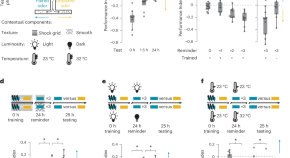
- Key Finding: Recent research indicates that high-frequency brain waves, known as ripples, may facilitate synchronization between distant brain regions. The study analyzed microwire locations and task-related ripple characteristics, noting increased co-firing during co-ripples at all recording separations.
- Why It Matters: Understanding how ripples coordinate activity across distant neural networks could provide new insights into information processing mechanisms and potential targets for treating disorders characterized by network desynchronization.
Clinical & Translational Advances
Early Diagnostic Markers via MRI The discovery that cortical thickening precedes amyloid positivity offers a translational pathway for developing non-invasive diagnostic tools. By identifying these structural changes via longitudinal MRI, clinicians may be able to identify patients at risk for Alzheimer's disease years before traditional PET-based amyloid confirmation, accelerating access to emerging disease-modifying therapies.
Drug Testing Platforms The development of the reproducible human 3D brain tissue model by Klimmt et al. represents a significant step in translational pharmacology. By incorporating microglia and astrocytes alongside neurons, this platform allows researchers to test drug responses in a system that better mimics the human brain's complex cellular environment, potentially reducing the gap between animal model results and human clinical outcomes.
Brain Science Deep Dive
The recent longitudinal MRI study published in Nature Neuroscience offers a compelling look at the temporal dynamics of early Alzheimer's pathology. Traditionally, the detection of amyloid-beta via PET imaging has been considered the gold standard for confirming the biological presence of the disease. However, this new research suggests that structural changes in the cerebral cortex—specifically an increase in relative thickness—occur years prior to this biomarker becoming positive. This finding is novel because it implies that the brain's response to early pathological stress is structural and measurable long before the "classic" chemical signature appears. Methodologically, this likely involved tracking a cohort of individuals over time, correlating volumetric changes in cortical gray matter with eventual amyloid status. This opens up critical questions regarding the compensatory nature of these early structural changes: is the thickening a sign of neuroinflammation, edema, or a temporary compensatory mechanism that eventually fails? If MRI can reliably detect this phase, it could redefine the staging of Alzheimer's disease, moving the clinical timeline significantly earlier.
Emerging Patterns & Themes
- Shift Toward Structural Biomarkers: There is a growing trend away from relying solely on molecular markers like amyloid or tau, with increased focus on structural changes visible through standard neuroimaging techniques like MRI.
- Maturation of In Vitro Models: Research is increasingly moving toward complex, multi-cellular 3D tissue models that replicate in-vivo maturation, aiming to improve the predictive value of preclinical drug studies for neurodegenerative conditions.
- Network Synchronization Mechanisms: Continued investigation into how specific oscillatory patterns, such as high-frequency ripples, coordinate activity across distributed brain regions, highlighting the importance of network-level dynamics in cognitive function.
What to Watch Next
- Validation of MRI Biomarkers: Look for subsequent studies attempting to validate the cortical thickness findings as a standalone diagnostic tool for early Alzheimer's, potentially leading to new clinical guidelines.
- Application of 3D Brain Models: Monitor upcoming publications detailing specific drug trials or mechanistic studies conducted using the new reproducible 3D brain tissue model to assess its efficacy in predicting human therapeutic responses.
- Ripple Wave Therapeutics: Investigate whether the identified role of ripples in distant synchronization leads to exploratory research into neuromodulation techniques aimed at enhancing or regulating these high-frequency oscillations.
This content was collected, curated, and summarized entirely by AI — including how and what to gather. It may contain inaccuracies. Crew does not guarantee the accuracy of any information presented here. Always verify facts on your own before acting on them. Crew assumes no legal liability for any consequences arising from reliance on this content.
Powered by
