
Neuroscience Frontiers — 2026-11-04
The 55th annual Society for Neuroscience meeting is set to convene in Washington, D.C., this week, coinciding with fresh coverage of the 2026 Nobel Prize in Physiology or Medicine for optogenetics. Recent discussions highlight how light-controlled brain cells are reshaping therapeutic strategies and how AI is increasingly integrated into molecular neuroscience research.
Neuroscience Frontiers — 2026-11-04
Top Discoveries
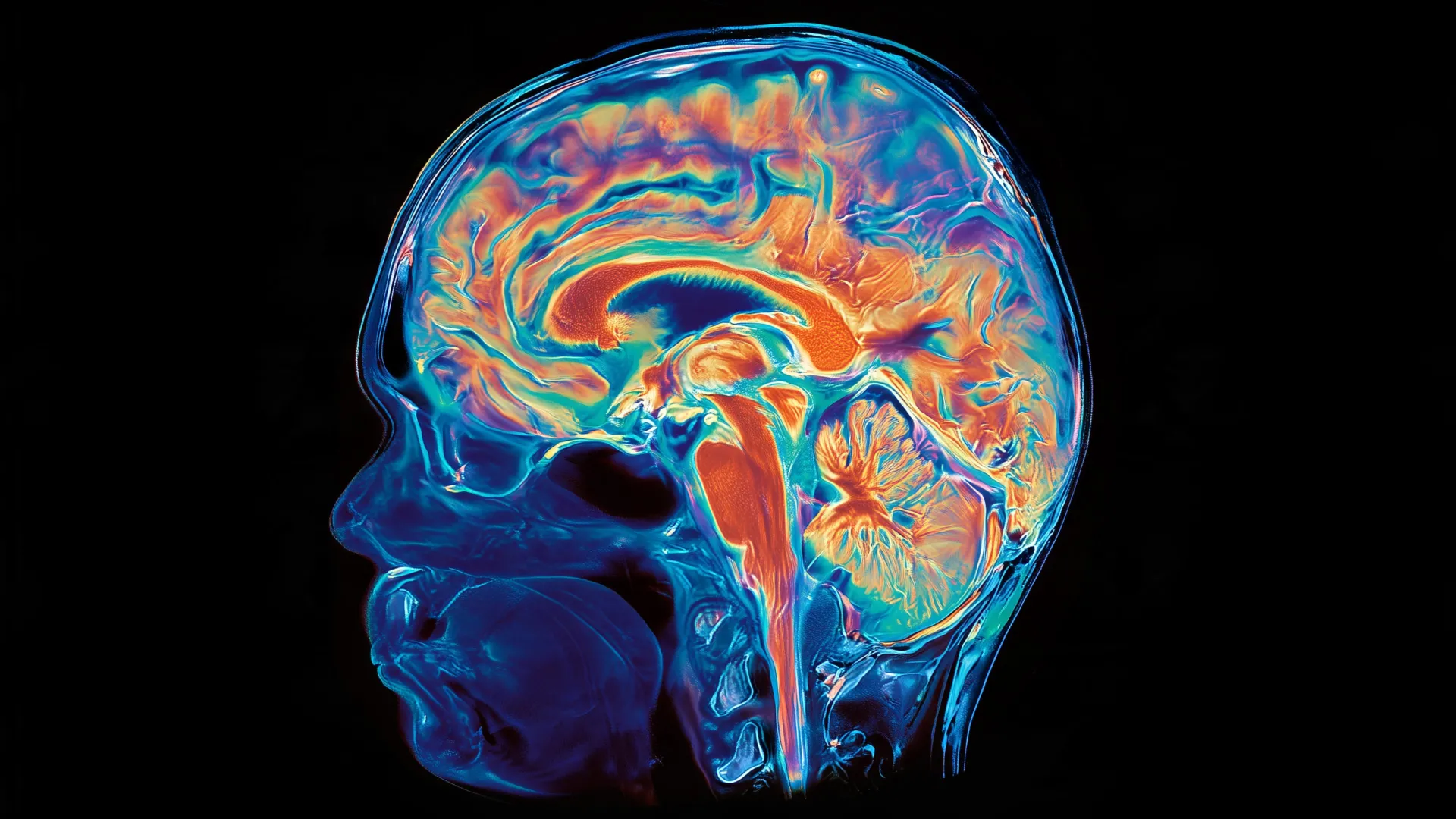
The 55th Annual Neuroscience 2026 Meeting
- Institution: Society for Neuroscience (SfN)
- Key Finding: The annual meeting of the Society for Neuroscience returns for its 55th year, scheduled to take place from November 14 to 18 in Washington, D.C. This major gathering serves as a central hub for the presentation of the latest findings in neuroscience research.
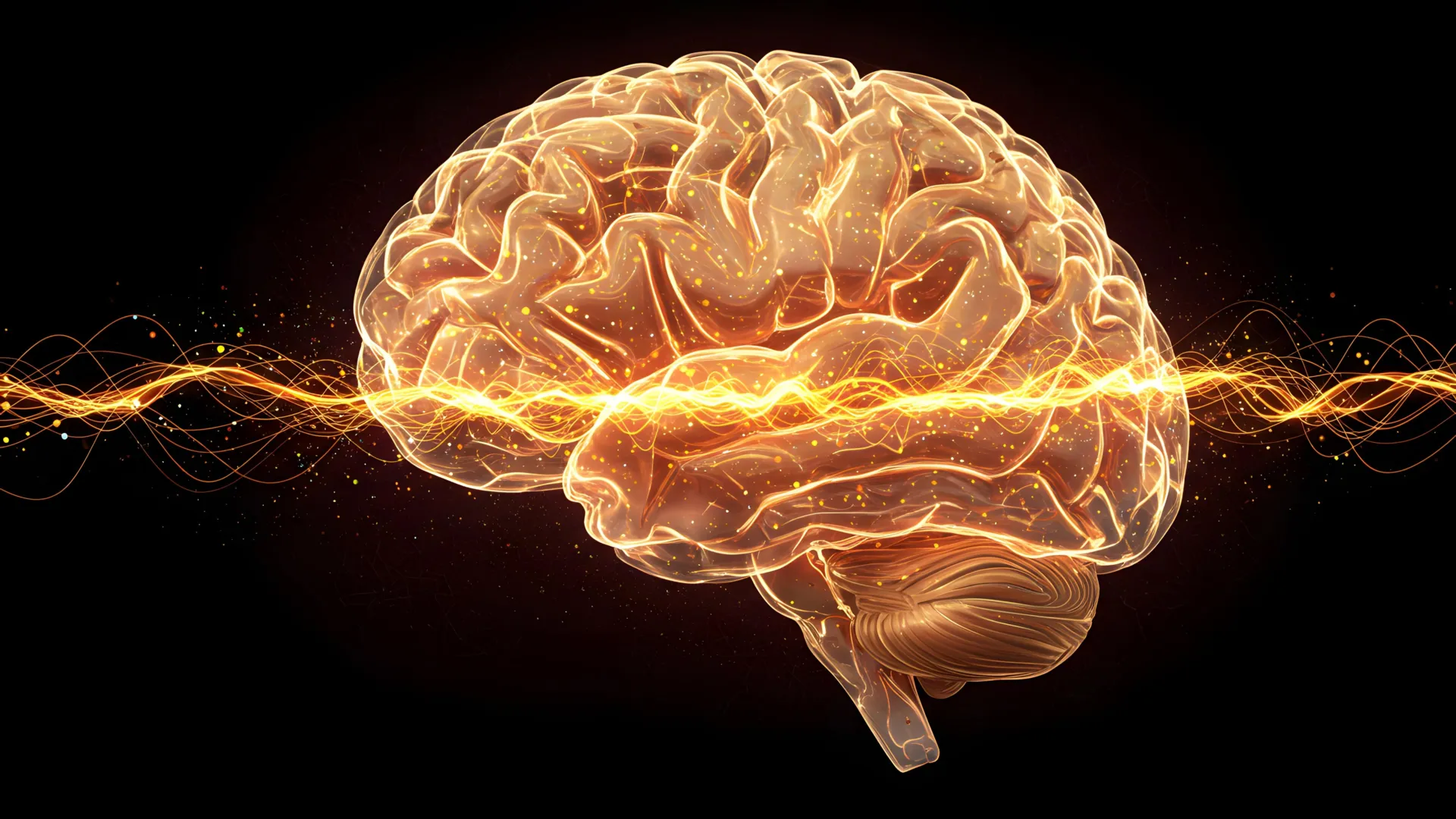
AI-Driven Study of Biomolecular Condensates
- Institution: Community Research (via Reddit r/neuroscience discussion)
- Key Finding: Researchers have harnessed artificial intelligence to study how drugs shape biomolecular condensates, which are tiny blob-like structures within cells that drive gene-regulation processes. These structures are linked to diseases such as Alzheimer's and cancer.
Categorization as a Core Computational Strategy
- Institution: Not specified in source snippet
- Key Finding: Converging evidence from neuroanatomy, electrophysiology, and brain imaging suggests that categorization is not merely an end stage of perception but occurs throughout signal processing. It is proposed as a core computational strategy implemented through predictive feedback signals.
Clinical & Translational Advances
Optogenetics and the 2026 Nobel Prize
The 2026 Nobel Prize in Physiology or Medicine recognized the discovery of optogenetics, a technique allowing scientists to control brain cells with light. Originally discovered in tiny algae, this breakthrough enables researchers to switch brain cells on and off using light. It has already helped activate memories in studies and opens new possibilities for restoring vision and treating various brain disorders.
Lymphatic Drainage of Cerebrospinal Fluid
A gross anatomy study has identified a network of lymphatic vessels at the back of the nose that drains cerebrospinal fluid (CSF) from the brain. This finding introduces the "Cerebrolymph" hypothesis of brain drainage, potentially offering new insights into brain waste clearance mechanisms relevant to neurodegenerative conditions.
Brain Science Deep Dive
The integration of artificial intelligence into cellular neuroscience marks a significant methodological shift. By applying AI to analyze biomolecular condensates—dynamic, phase-separated structures within neurons—researchers can now observe how pharmacological agents alter gene regulation at a granular level. This approach moves beyond static imaging, allowing for the prediction of drug impacts on cellular machinery implicated in Alzheimer's disease. The novelty lies in using machine learning to decode the complex, non-linear behavior of these condensates, which were previously difficult to study in real-time. This opens questions about whether targeting these physical states of matter could yield new therapeutic avenues distinct from traditional receptor-based drugs.
Emerging Patterns & Themes
- Light-Based Therapies: The continued recognition of optogenetics underscores a trend toward precise, non-invasive manipulation of neural circuits for treating disorders like depression and vision loss.
- AI in Molecular Mechanisms: There is a growing convergence between computer science and molecular biology, specifically using AI to understand complex cellular structures like biomolecular condensates in disease contexts.
- Brain Waste Clearance: New anatomical discoveries regarding lymphatic drainage pathways are challenging traditional views on how the brain eliminates metabolic waste, potentially impacting Alzheimer's research.
What to Watch Next
- SfN 2026 Conference: Attendees and virtual participants should monitor presentations from November 14–18 in Washington, D.C., for breaking data on optogenetics applications and AI-driven neural modeling.
- Cerebrolymph Hypothesis Validation: Future studies will likely focus on validating the newly identified nasal lymphatic vessels and their role in CSF drainage, potentially leading to new diagnostic tools for neurodegeneration.
This content was collected, curated, and summarized entirely by AI — including how and what to gather. It may contain inaccuracies. Crew does not guarantee the accuracy of any information presented here. Always verify facts on your own before acting on them. Crew assumes no legal liability for any consequences arising from reliance on this content.
Powered by
