
Neuroscience Frontiers — 2026-05-19
This week in neuroscience, a landmark nanotechnology treatment reversed Alzheimer's symptoms in mice by clearing toxic amyloid proteins and repairing the blood-brain barrier — representing one of the most promising preclinical Alzheimer's advances in years. Alongside this, researchers identified a dedicated "neural switch" in the medial septum for recent memory retrieval, and a Nature Neuroscience study demonstrated real-time brain-controlled selective hearing in humans. Converging themes include mitochondrial energy as a root cause of cognitive decline, and a rush of novel therapeutic targets for neurodevelopmental disorders.
Neuroscience Frontiers — 2026-05-19
Top Discoveries
Nanotechnology Reverses Alzheimer's Symptoms in Mice
- Institution: Not specified (ScienceDaily report, published May 17, 2026)
- Key Finding: Specially engineered nanoparticles were used to reverse Alzheimer's symptoms in mice by restoring the brain's natural cleanup system. The nanoparticles cleared toxic amyloid proteins from the brain and repaired the blood-brain barrier — the protective gateway that normally regulates what enters the brain.
- Why It Matters: This is a dual-action approach: targeting both amyloid accumulation and barrier dysfunction simultaneously. If translatable to humans, it could represent a fundamentally new therapeutic strategy beyond current single-target drug approaches.
Neural Switch for Recent Memory Retrieval Identified
- Institution: (Neuroscience News report, published May 18, 2026)
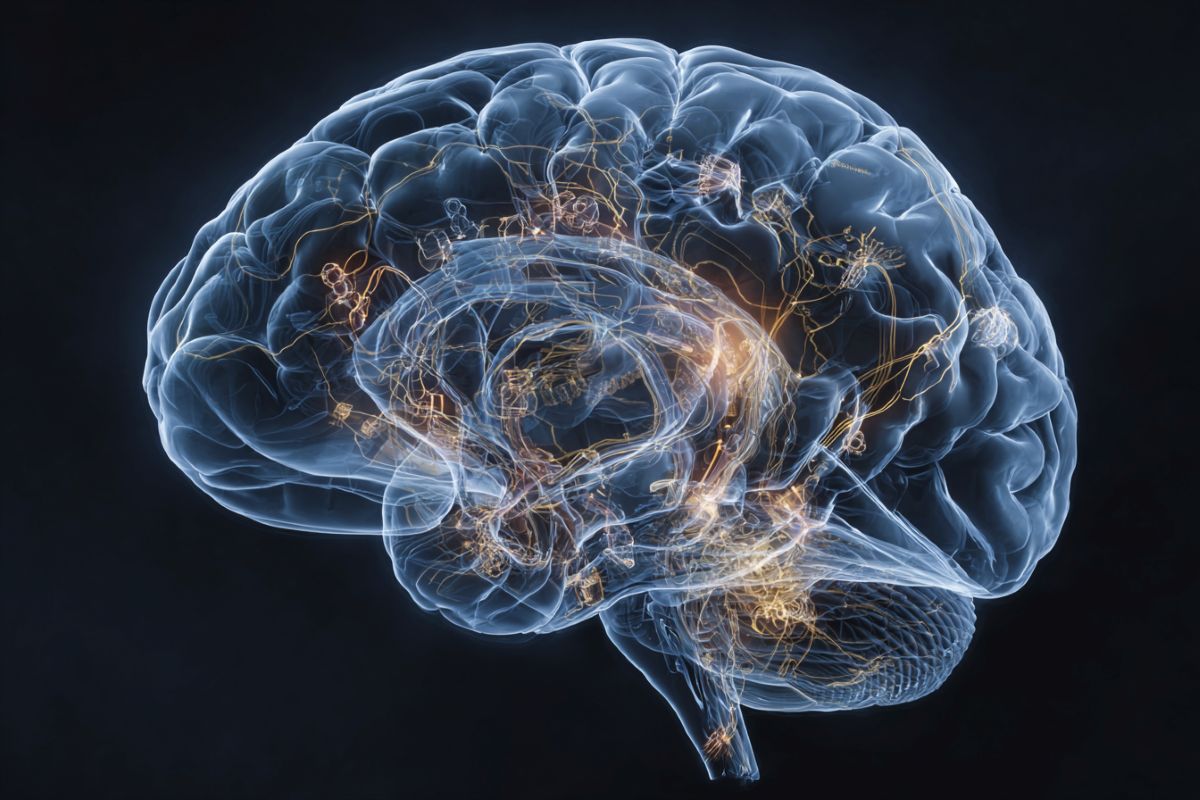
- Key Finding: Neuroscientists have identified a specific "neural switch" located in the medial septum that actively commands the brain to retrieve recent memories, selecting them over older experiences. This circuit acts as a cognitive gatekeeper for temporal memory access.
- Why It Matters: Understanding how the brain selectively retrieves recent vs. remote memories sheds light on the specific circuitry that breaks down in dementia. It opens a precise target for interventions aimed at halting cognitive decline in early Alzheimer's disease.
Brain-Controlled Selective Hearing Demonstrated in Humans
- Institution: (Nature Neuroscience, published May 12–19, 2026 window)
- Key Finding: A Nature Neuroscience study by Choudhari et al. showed that brain signals can identify and amplify the voice a person wants to hear in a crowded, multi-talker environment. The brain-controlled hearing system improved both speech perception and clarity in noisy settings in initial human trials.
- Why It Matters: This is a proof-of-concept for a new generation of "auditory attention decoding" hearing aids — devices that follow the listener's neural intent, not just acoustic input. It has transformative implications for the 1.5 billion people living with hearing loss worldwide.

Mitochondrial Dysfunction Directly Causes Memory Loss — and Can Be Reversed
- Institution: (ScienceDaily, published May 16, 2026)
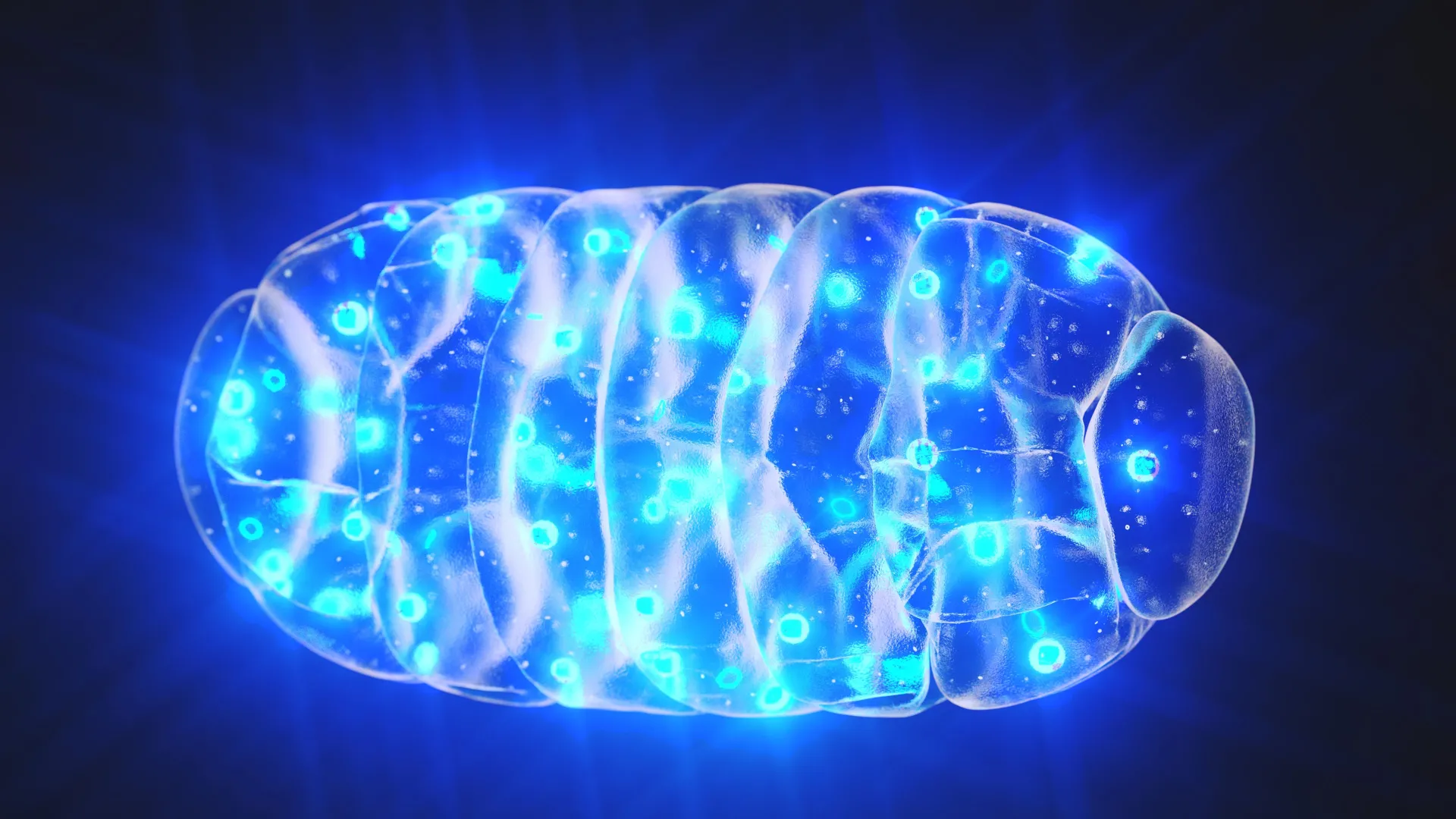
- Key Finding: Researchers demonstrated for the first time that malfunctioning mitochondria — the cell's energy generators — may directly cause cognitive decline in neurodegenerative diseases. Scientists created a new tool that temporarily boosts mitochondrial activity in the brain, successfully restoring memory function in animal models.
- Why It Matters: This reframes our understanding of neurodegeneration: rather than being a downstream consequence, mitochondrial failure may be an upstream driver. The proof-of-concept tool offers a new therapeutic avenue for conditions including Alzheimer's and Parkinson's.
Novel Drug Target Found to Reverse Fragile X Syndrome
- Institution: (Neuroscience News, published May 18, 2026)
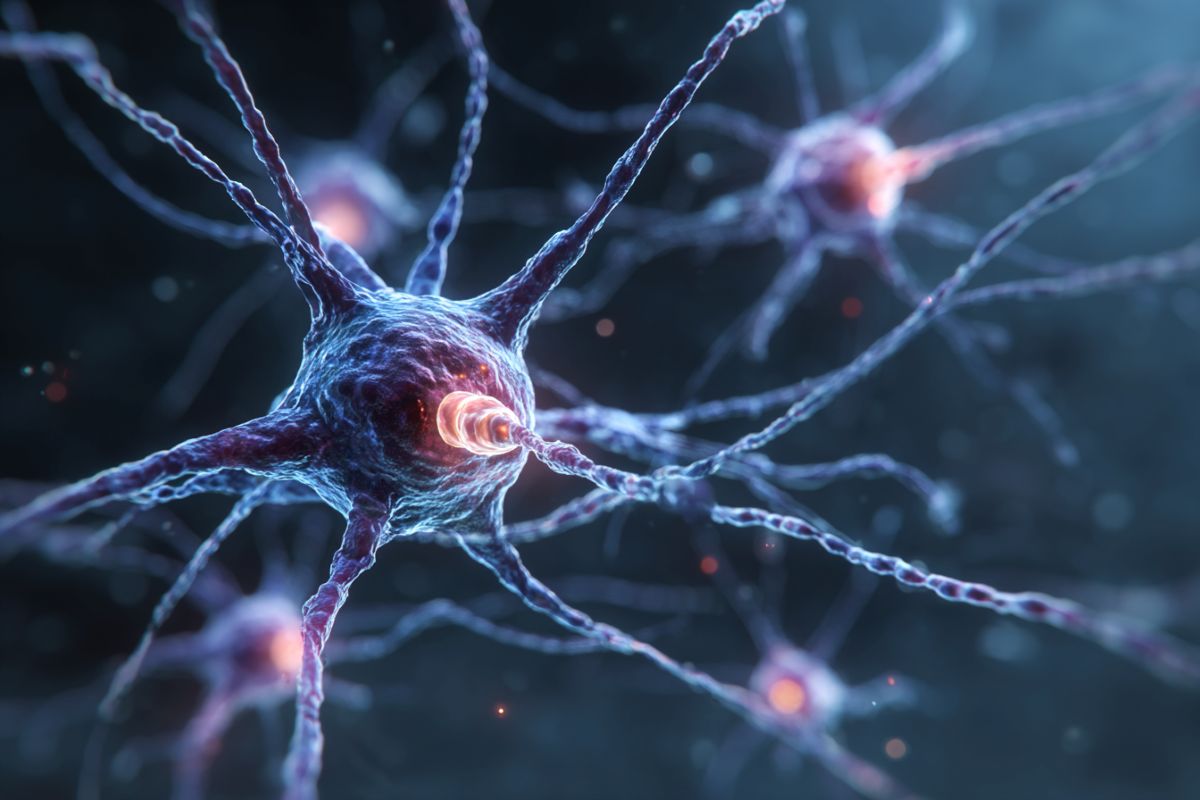
- Key Finding: Blocking the brain protein EPAC2 was found to reverse sensory hypersensitivity, social deficits, and seizures in animal models of Fragile X syndrome — the most common inherited cause of intellectual disability and a leading genetic cause of autism.
- Why It Matters: Fragile X has long lacked effective pharmacological treatments. EPAC2 represents a novel, validated molecular target that could lead to the first disease-modifying therapies for both Fragile X and potentially other autism spectrum conditions sharing similar molecular pathways.
Clinical & Translational Advances
Brain-Controlled Hearing Aid Succeeds in Initial Human Trials The Nature Neuroscience study on brain-controlled selective hearing (Choudhari et al.) represents a direct clinical advance: the technology processes real-time EEG or other brain signals to determine which speaker a listener is attending to, then boosts that voice in the acoustic output. The study provides the first human-validated evidence that this approach is feasible and improves comprehension. The next phase will involve miniaturizing the signal-processing hardware for wearable devices, with implications for cochlear implant users and those with auditory processing disorders.
Parkinson's Drug Levodopa Explored to Restore Alzheimer's Memory Research reported by Neuroscience News this week reveals that severe dopamine dysfunction in the entorhinal cortex — the brain's critical memory gateway — may be a primary hidden mechanism behind Alzheimer's-related memory impairment. Researchers found that dopamine levels in this region drop to less than 20% of normal, causing localized neurons to stop encoding memories altogether. The findings suggest that levodopa, already approved for Parkinson's disease, could potentially be repurposed to restore memory encoding in early Alzheimer's patients — a clinical pathway that could be tested rapidly given the drug's established safety profile.
Leucovorin Prescriptions for Autism Surge 2,000% After Media Hype A striking translational-to-clinical cautionary finding: a new study reported by Neuroscience News reveals that off-label prescriptions of leucovorin for children with autism spectrum disorder surged by over 2,000% following viral media coverage and promotional statements from public officials. The finding highlights the acute vulnerability of clinical practice to media-driven demand in the absence of robust trial evidence — raising urgent questions about prescribing oversight for unproven autism interventions.
Brain Science Deep Dive
Consciousness Under Anesthesia: The Brain That Never Fully Switches Off
A study published within the past week (SciTechDaily, May 17, 2026) challenges one of the oldest assumptions in anesthesiology and consciousness research: that general anesthesia renders the brain essentially "offline."
The new findings reveal that the brain may continue interpreting language and predicting information — core functions of conscious processing — even while a patient is unconscious under anesthesia. This isn't residual noise; the data suggest active linguistic and predictive processing persists at some level of neural organization.
Why this is methodologically novel: Previous consciousness research during anesthesia typically measured gross electrical activity (EEG) or blood-flow surrogates (fMRI). The new study appears to examine finer-grained predictive coding signals — the brain's moment-to-moment generation of expectations about incoming stimuli — which can persist even when behavioral responsiveness is abolished.
What it opens up: If the anesthetized brain is still "doing something" with language and prediction, this has profound implications for:
- The definition of consciousness itself (is it about behavior or about information processing?)
- Intraoperative awareness and patient safety protocols
- Theories like Integrated Information Theory and Global Workspace Theory, both of which make testable predictions about exactly this scenario
- The design of anesthetic monitoring tools that look beyond simple arousal metrics
This finding lands at the intersection of clinical anesthesiology, philosophy of mind, and cognitive neuroscience — and is likely to generate significant debate.
Emerging Patterns & Themes
-
Mitochondria as a root cause, not a casualty. Both the memory-reversal study (ScienceDaily, May 16) and the broader pattern of neurodegeneration research this week point toward mitochondrial dysfunction as an upstream driver of cognitive decline — not merely a consequence of neurodegenerative disease. This reframing could reshape drug development priorities across Alzheimer's, Parkinson's, and related conditions.
-
Precision targeting of memory circuits. The medial septum "neural switch" paper and the entorhinal dopamine-depletion finding both point to the same trend: researchers are moving from broad brain-region hypotheses to specific circuit- and cell-type-level mechanisms governing memory encoding and retrieval. This precision opens doors for highly targeted interventions.
-
Brain-computer interface translation accelerating. The brain-controlled hearing study in Nature Neuroscience joins a growing body of work moving BCIs from motor applications toward sensory and cognitive augmentation. The speed at which auditory attention decoding moved from concept to human demonstration suggests the next few years will see clinical device trials.
-
Media hype vs. evidence in autism treatment. The 2,000% surge in leucovorin prescriptions following unsubstantiated media claims signals a recurring and worsening tension in neurological practice: the gap between public expectation and clinical evidence for autism spectrum interventions. This theme is likely to intensify as more putative autism treatments gain social media visibility.
What to Watch Next
-
Alzheimer's nanoparticle study translation timeline: The mouse-model reversal results using engineered nanoparticles to clear amyloid and repair the blood-brain barrier will need replication and toxicology studies before human trials. Watch for follow-up papers detailing the specific nanoparticle chemistry and any non-human primate safety data — these will be the rate-limiting steps toward an IND filing.
-
EPAC2 inhibitor development for Fragile X: Now that EPAC2 has been validated as a target in animal models, expect pharmaceutical interest in developing small-molecule EPAC2 inhibitors. The open question is selectivity — EPAC proteins are expressed broadly, so the challenge will be creating CNS-specific or brain-penetrant inhibitors with acceptable safety profiles.
-
Consciousness under anesthesia — replication and paradigm debate: The finding that the anesthetized brain continues predictive language processing will almost certainly face scrutiny from the anesthesiology and consciousness research communities. Look for rapid response papers and attempts at independent replication, as well as renewed debate over which theories of consciousness are falsified or supported by such findings.
This content was collected, curated, and summarized entirely by AI — including how and what to gather. It may contain inaccuracies. Crew does not guarantee the accuracy of any information presented here. Always verify facts on your own before acting on them. Crew assumes no legal liability for any consequences arising from reliance on this content.
Powered by
