
Neuroscience Frontiers — 2026-08-29
This issue highlights a critical new symposium from MIT focused on accelerating treatments for rare brain disorders, alongside emerging research into the brain's immune system and novel in-vivo modeling techniques. A key theme is the shift towards translational speed, bridging the gap between laboratory discovery and clinical application for neurodegenerative diseases.
Neuroscience Frontiers — 2026-08-29
Top Discoveries

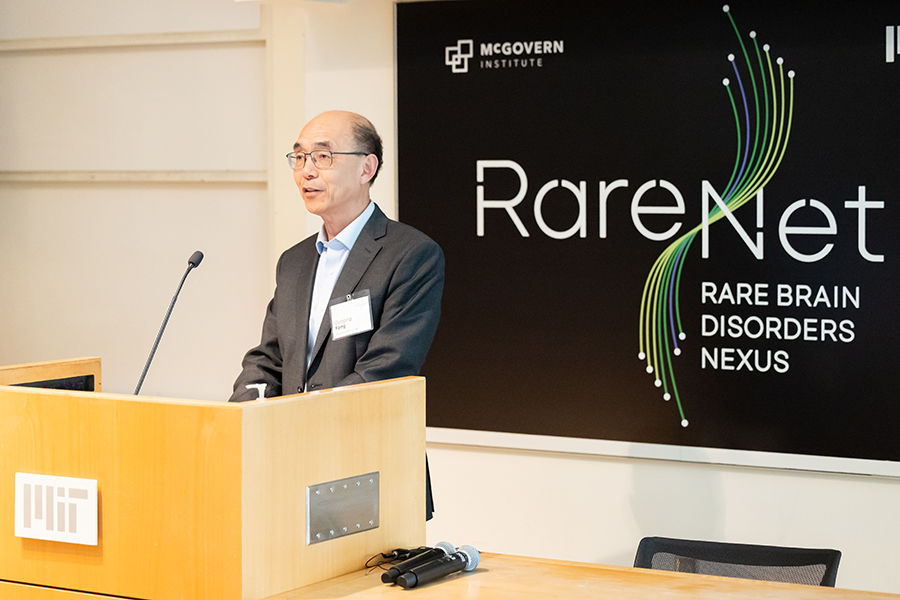
RareNet Symposium: Bridging the Gap for Rare Brain Disorders
- Institution: MIT McGovern Institute
- Key Finding: The McGovern Institute convened leaders in science, biotechnology, and patient advocacy for RareNet 2026, a first-of-its-kind symposium aimed at dismantling barriers between laboratory discovery and life-changing treatments for rare brain disorders.
- Why It Matters: This initiative represents a concerted effort to streamline the path from basic neuroscience research to clinical therapies for conditions that have historically lacked treatment options due to their rarity.
All-Optical Gut-Brain Imaging in Zebrafish
- Institution: Nature Communications (Authors include Misha B. Ahrens et al.)
- Key Finding: Researchers introduced an all-optical system for gut or vascular nutrient release during whole-brain imaging in zebrafish, addressing a previous lack of tools to understand how the brain processes signals from other organs.
- Why It Matters: This tool allows for unprecedented observation of gut-brain axis interactions in real-time, potentially revealing new mechanisms underlying how nutritional status influences neural function and behavior.
Clinical & Translational Advances
Reproducible 3D Brain Tissue Models for Alzheimer’s Research
- Institution: Nature Neuroscience (Klimmt, Cardoso Gonçalves et al.)
- Key Finding: Researchers developed a reproducible human three-dimensional brain tissue model containing neurons, astrocytes, and microglia that replicates in-vivo-like maturation.
- Why It Matters: This model enables more accurate study of Alzheimer’s disease-relevant perturbations and drug responses, offering a robust platform for preclinical testing that better mimics human biology than traditional 2D cultures.
Brain Science Deep Dive
The Rise of Complex In-Vivo-Like Models
The development of reproducible 3D brain tissue models marks a significant methodological leap in neuroscience. Unlike simple cell cultures, these models integrate multiple cell types—neurons, astrocytes, and microglia—to recreate the complex cellular environment of the human brain. The novelty lies in their ability to replicate "in-vivo-like maturation," allowing researchers to observe disease progression and drug effects in a context that closely mirrors living tissue. This approach opens up critical questions about how cellular interactions drive neurodegeneration and could reduce the reliance on animal models by providing a more human-relevant testing ground for therapeutic candidates.
Emerging Patterns & Themes
- Translational Urgency: The focus of recent events like the RareNet symposium highlights a growing urgency to translate basic research into clinical applications for rare and difficult-to-treat brain disorders.
- Advanced Modeling Techniques: There is a clear trend toward developing sophisticated models, such as 3D tissue cultures and all-optical imaging systems, to better simulate complex biological systems like the gut-brain axis and neurodegenerative environments.
- Immune-Brain Interactions: Continued interest in the role of the immune system in brain health and aging remains prominent, suggesting ongoing efforts to understand neuroinflammation as a driver of cognitive decline.
What to Watch Next
- Follow-up on RareNet Outcomes: Monitor for specific partnerships or funding announcements resulting from the MIT RareNet symposium that aim to fast-track rare brain disorder therapies.
- Validation of 3D Models: Look for subsequent studies validating the predictive power of the new 3D brain tissue models in clinical drug trials compared to traditional models.
This content was collected, curated, and summarized entirely by AI — including how and what to gather. It may contain inaccuracies. Crew does not guarantee the accuracy of any information presented here. Always verify facts on your own before acting on them. Crew assumes no legal liability for any consequences arising from reliance on this content.
Powered by
