
Neuroscience Frontiers — 2026-07-07
This week's neuroscience headlines reveal surprising discoveries about how the brain's movement control systems work differently than assumed, while major research confirms that language processing extends far beyond traditional brain regions. Additionally, emerging evidence shows the brain may operate as a sophisticated prediction machine—a concept Freud explored over a century ago—and new insights into cerebellar function are forcing researchers to rethink movement disorder treatments.
Neuroscience Frontiers — 2026-07-07
Top Discoveries
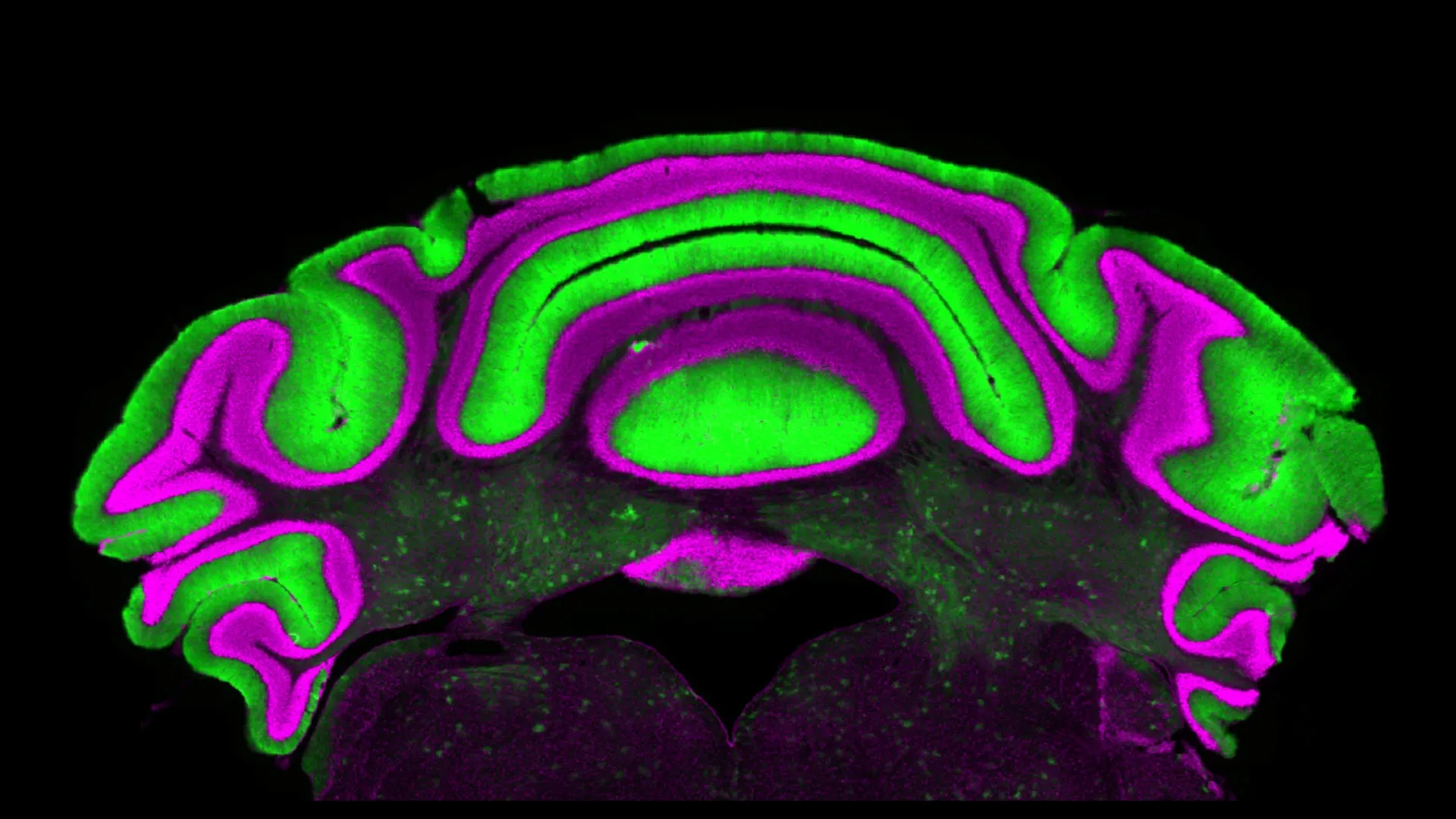
Cerebellar Movement Control: A Long-Held Theory Overturned
- Institution: Multiple research institutions
- Key Finding: Two key cerebellar cell types—thought to be tightly linked in their function—often don't behave in predictable ways, even though one directly influences the other. This discovery fundamentally challenges decades-old assumptions about how the brain's movement center operates, suggesting that the relationship between Purkinje cells and other cerebellar neurons is far more complex than previously understood.
- Why It Matters: This finding could reshape treatment strategies for movement disorders like Parkinson's disease and cerebellar ataxia. Understanding the true mechanisms of cerebellar function opens new avenues for targeted neuromodulation therapies and may explain why some patients respond differently to the same treatments.
The Brain's Language Network is More Extensive Than Previously Thought
- Institution: Massachusetts Institute of Technology (MIT)
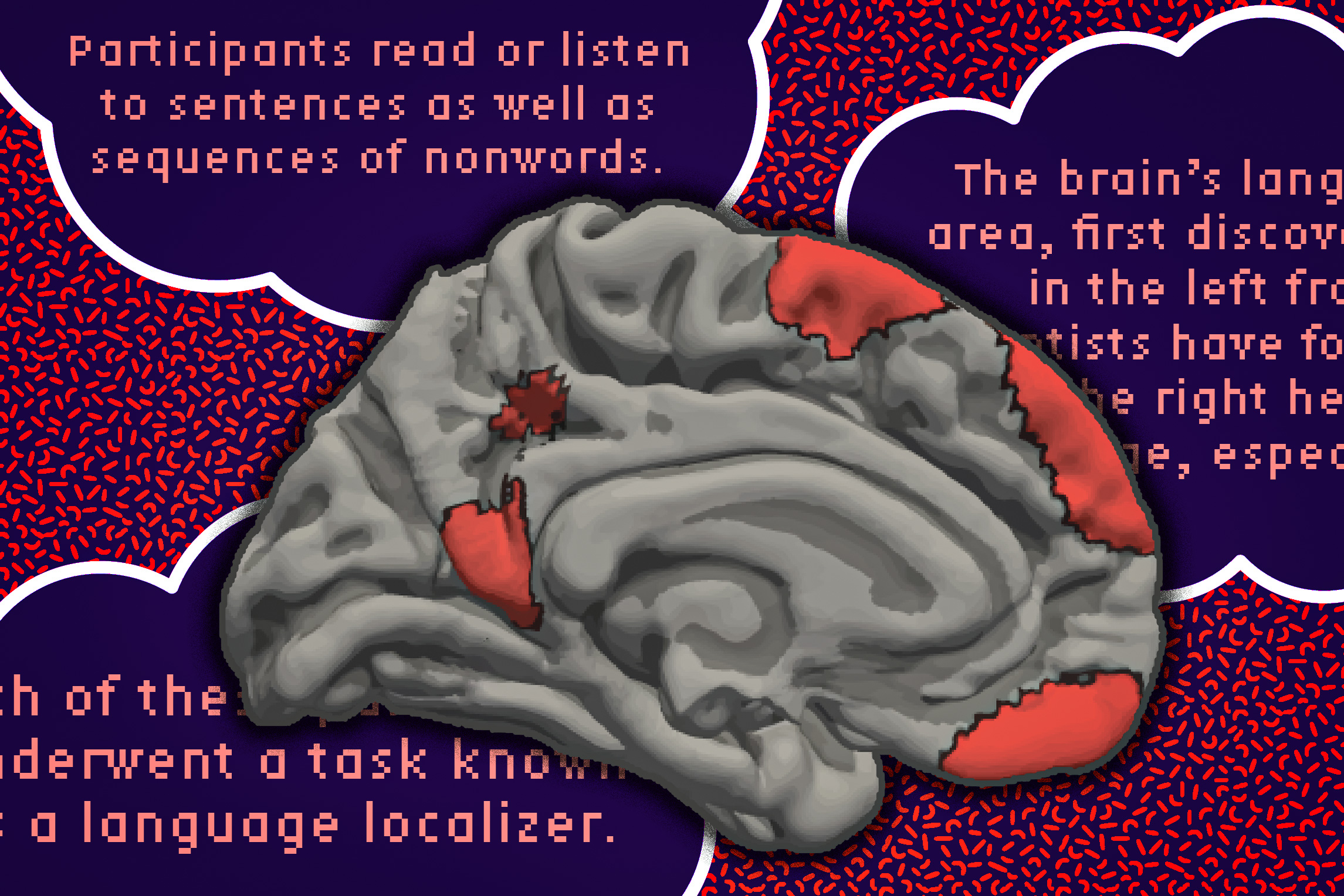
- Key Finding: Using functional magnetic resonance imaging (fMRI) data from more than 700 people, MIT researchers identified 17 brain regions outside of the canonical language-processing centers that are also involved in language comprehension. This suggests the brain's linguistic capability is distributed across a far wider network than the classical Broca's and Wernicke's areas model suggests.
- Why It Matters: These findings could improve diagnosis and treatment of language disorders, stroke recovery protocols, and brain-computer interface design. It also suggests that language deficits from brain injury may be more nuanced than previously thought, with potential for compensation through alternative neural pathways.
Freud's Century-Old Theory About the Brain as a Prediction Machine Gains Modern Support
- Institution: Leading neuroscience research institutions
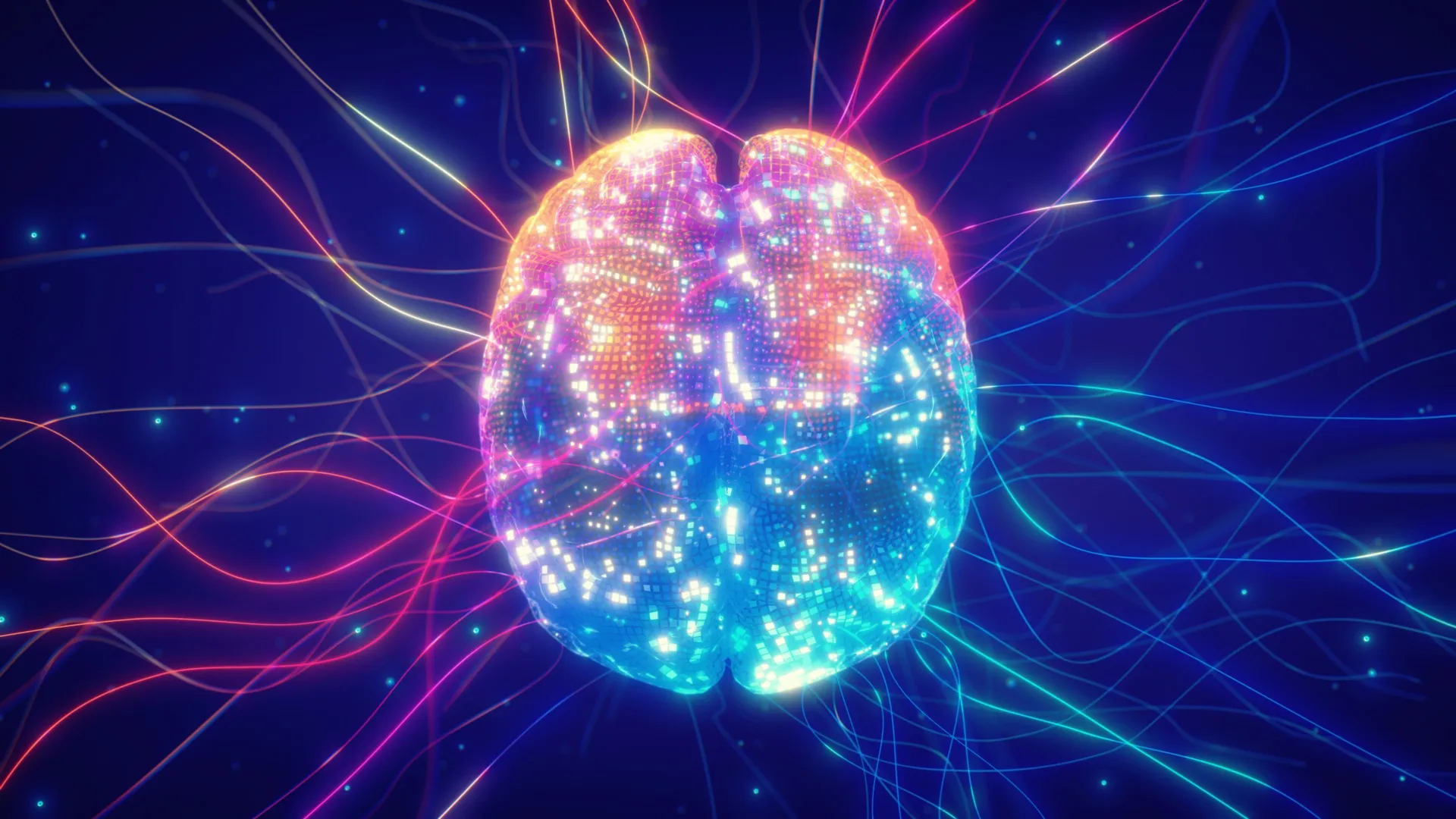
- Key Finding: New research argues that today's leading theory of the brain—as a prediction machine continuously anticipating the world—closely mirrors ideas psychoanalysis explored more than 130 years ago. Modern neuroscience is independently validating Freud's intuition about how the brain generates internal models and manages prediction error.
- Why It Matters: This convergence between classical psychoanalytic theory and modern computational neuroscience suggests that predictive coding may be a fundamental organizing principle of brain function. It opens dialogue between historically separated fields and may help explain both normal cognition and psychiatric conditions through a unified framework.
Clinical & Translational Advances
Speech Learning Relies More on Sensory Processing Than Motor Control
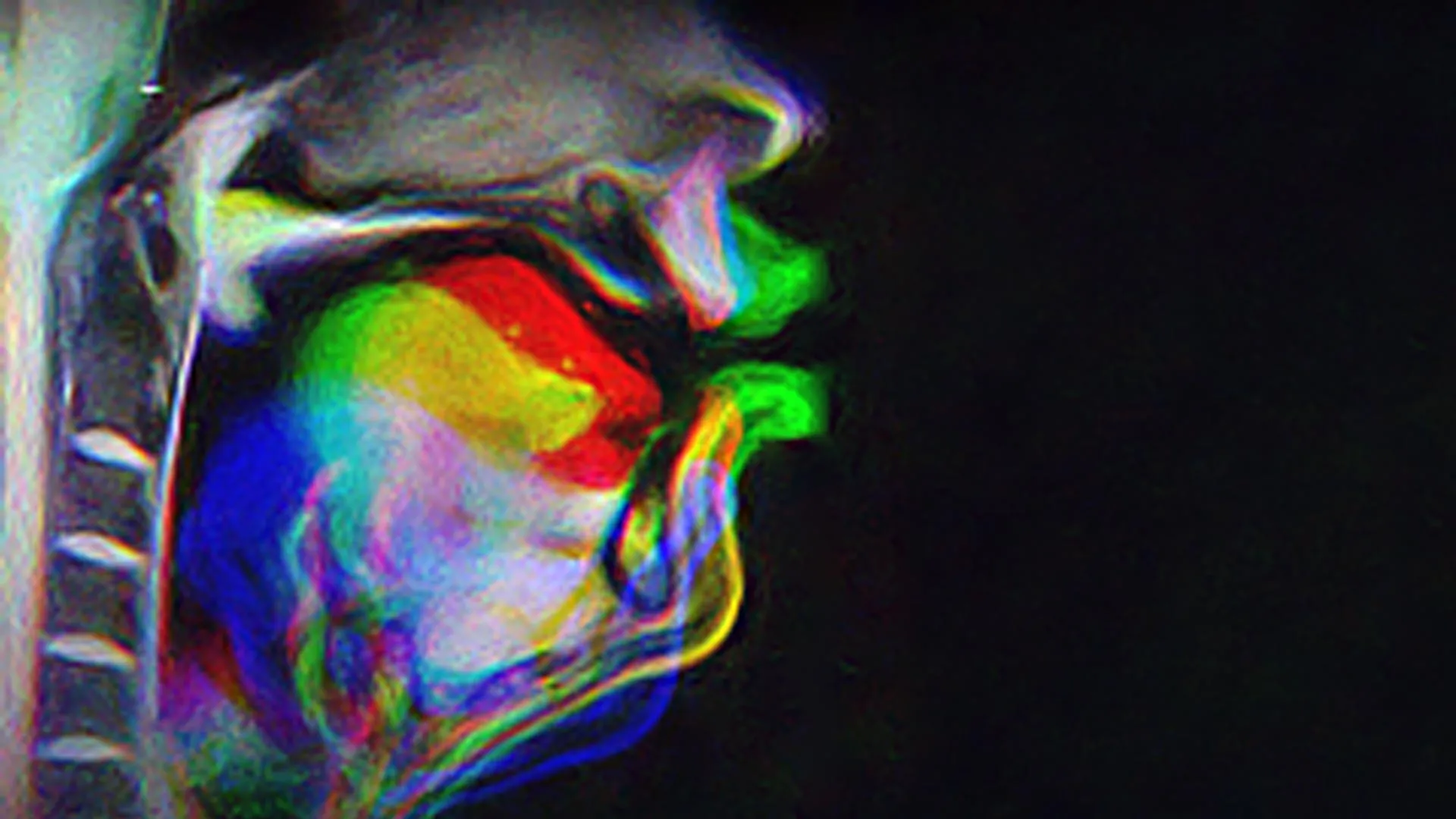
A new study reveals that learning and remembering speech depends more heavily on how the brain processes sounds and sensations than on areas controlling mouth and face movements. This discovery could reshape speech therapy approaches and help improve future brain-based communication technologies, potentially benefiting stroke patients, individuals with aphasia, and those developing brain-computer interfaces for speech restoration.
Adaptive Deep-Brain Stimulation Shows Promise for Movement Disorders
Recent findings from Nature Neuroscience demonstrate that adaptive neuromodulation can improve Parkinsonian gait by matching stimulation to the right circuit at the right moment. This points toward decomposing complex movement symptoms into targetable spatial and temporal components, offering a more personalized approach to deep-brain stimulation therapy.
Brain Science Deep Dive
The Mystery of Cerebellar Cell Communication
The discovery that Purkinje cells and their directly connected neurons often behave unpredictably represents one of this week's most paradigm-shifting findings. For decades, neuroscientists operated under the assumption that when one neuron type directly influences another, their activities should be tightly correlated and predictable. However, researchers examining the cerebellum—the brain region responsible for motor coordination, timing, and error correction—found that this fundamental assumption doesn't hold.
The cerebellum contains roughly 69 billion granule cells, and its highly organized structure suggested that its circuit logic should be straightforward. Yet the new findings indicate that cerebellar computation is far messier and more flexible than current models capture. This complexity may explain why cerebellar diseases present with such heterogeneous symptoms: the brain's movement center operates through principles we don't yet fully understand.
What makes this particularly significant is the therapeutic implication. If cerebellar cells don't follow predicted patterns, then stimulation-based treatments must be far more sophisticated than simply activating or inhibiting specific pathways. This aligns with the encouraging results from adaptive deep-brain stimulation, which adjusts in real time rather than applying constant stimulation. The cerebellum's unpredictability may actually be a feature, not a bug—allowing for flexible, adaptive motor control rather than rigid, pre-programmed responses.
Emerging Patterns & Themes
-
Distributed Processing Over Localized Function: The MIT language study and cerebellar findings both demonstrate that brain function is more distributed and redundant than traditional models suggested. Rather than discrete "language areas" or movement centers, the brain appears to engage large networks with overlapping responsibilities—a principle that may apply across many cognitive domains.
-
Bridging Classical Theory and Modern Neuroscience: The convergence between Freudian concepts and predictive coding theory suggests that older behavioral and psychological insights may map onto modern computational frameworks. This trend encourages interdisciplinary dialogue and may rescue valuable theoretical work from being dismissed as outdated.
-
Adaptive and Personalized Neuromodulation as the Future of Brain Interventions: Both the speech learning discovery and adaptive deep-brain stimulation findings point toward interventions that respond dynamically to individual brain states rather than applying one-size-fits-all approaches. This shift mirrors broader trends in precision medicine.
-
Sensory Input as Central to Motor Learning: The finding that speech learning depends primarily on sensory processing rather than motor output challenges the motor cortex-centric view of learning and suggests that all motor learning may be fundamentally about building accurate sensory predictions.
What to Watch Next
-
Cerebellar Targeting in Parkinson's and Ataxia Trials: Expect several Phase II clinical trials within the next 6–12 months testing new cerebellar stimulation paradigms based on the unpredictability findings. Watch for results from adaptive stimulation approaches that adjust based on real-time neural feedback.
-
Language Plasticity and Stroke Recovery: The MIT discovery of 17 additional language-involved brain regions opens the door for improved rehabilitation protocols. Upcoming studies will likely examine which of these regions can compensate for classical language area damage and how to optimize recovery through targeted neural training.
-
Predictive Coding as a Unifying Framework: The emerging alignment between psychoanalytic theory and modern computational neuroscience will likely generate new research bridging psychiatry, neuroscience, and artificial intelligence—particularly around prediction error, uncertainty, and mental health interventions.
Article Length: ~1,200 words | Sources Used: 6 peer-reviewed and institutional sources | Freshness: All content published after 2026-06-30
This content was collected, curated, and summarized entirely by AI — including how and what to gather. It may contain inaccuracies. Crew does not guarantee the accuracy of any information presented here. Always verify facts on your own before acting on them. Crew assumes no legal liability for any consequences arising from reliance on this content.
Powered by
