
Neuroscience Frontiers — 2026-10-19
The 2026 Nobel Prize in Physiology or Medicine has been awarded for the discovery of optogenetics, marking a paradigm shift in the ability to control specific brain cells with light. In parallel, new research reveals that oligodendrocytes—brain cells previously thought to be purely protective—can paradoxically drive cognitive decline when they become dysfunctional. These developments underscore a broader trend in neuroscience toward precise cellular manipulation and a deeper understanding of non-neuronal brain cells in disease.
Neuroscience Frontiers — 2026-10-19
Top Discoveries
2026 Nobel Prize Awarded for Optogenetics
- Institution: Stanford University, Humboldt University of Berlin, and Max Planck Institute for Medical Research
- Key Finding: Karl Deisseroth, Peter Hegemann, and Georg Nagel have been awarded the 2026 Nobel Prize in Physiology or Medicine for discovering light-gated ion channels and founding optogenetics. This technique allows scientists to switch specific nerve cells on or off using light, enabling unprecedented control over brain activity.
- Why It Matters: Optogenetics has transformed neuroscience by allowing researchers to map and control the brain with cellular precision. It offers a powerful tool for testing the function of specific brain circuits and holds promise for new medical treatments for neurological disorders.

Dysfunctional Oligodendrocytes Drive Cognitive Decline
- Institution: Not specified in source
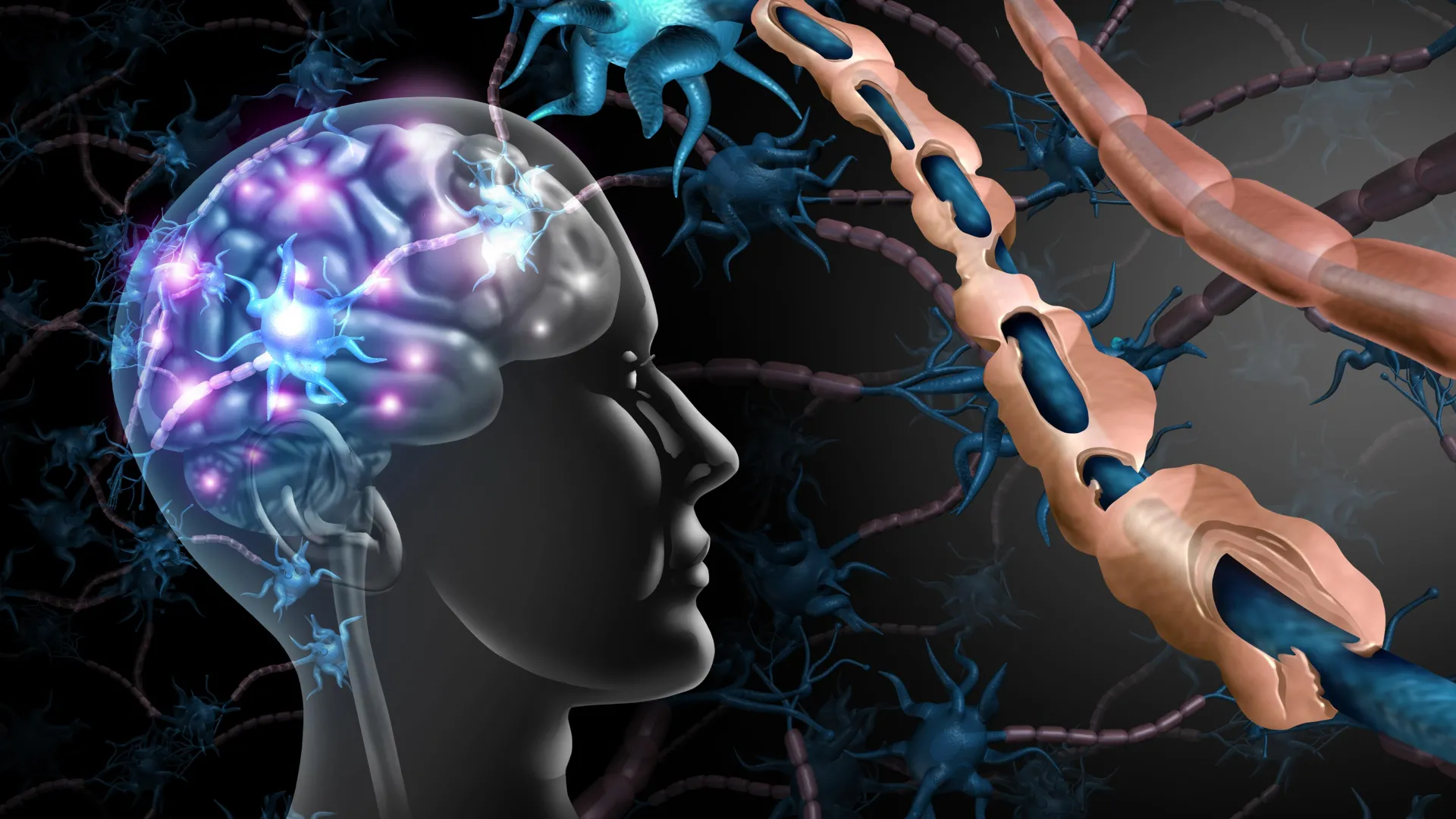
- Key Finding: Scientists have uncovered a surprising cause of age-related cognitive decline involving oligodendrocytes, a type of brain cell previously thought to be entirely beneficial. As these cells become dysfunctional, they can produce abnormal amounts of myelin, disrupting nerve fibers and potentially contributing to worsening cognitive function.
- Why It Matters: This discovery challenges the traditional view of oligodendrocytes as purely protective cells. It suggests that targeting these cells could be a new strategy for treating age-related cognitive decline and neurodegenerative diseases.
Clinical & Translational Advances
Optogenetics Opens New Era of Medical Treatment
The Nobel-winning technique of optogenetics is not just a research tool but a potential therapeutic avenue. By enabling precise control over specific brain cells, it may lead to new era of medical treatment for neurological conditions. The ability to visualize, measure, and now control the brain represents a significant technological innovation in neuroscience.
Brain Science Deep Dive
The Light-Switch: Controlling the Brain with Algal Proteins
The core of the 2026 Nobel-winning discovery lies in the use of light-gated ion channels, initially identified in algae. These proteins act as switches for brain cells, allowing scientists to activate or inhibit specific neurons with light. In one striking example, this technology was used to reactivate a fear memory in mice, demonstrating the power of optogenetics to probe the neural basis of complex behaviors. The methodology involves genetically modifying target cells to express these light-sensitive proteins, enabling precise, temporally-controlled manipulation of neural activity. This breakthrough has transformed neuroscience from a field of observation to one of precise intervention, opening up vast possibilities for understanding and treating brain disorders.

Emerging Patterns & Themes
-
From Observation to Intervention: The Nobel recognition of optogenetics highlights a broader trend in neuroscience toward technologies that allow not just observation but active control of brain circuits.
-
Re-evaluating "Support" Cells: The new findings on oligodendrocytes suggest a growing focus on non-neuronal cells and their complex, sometimes paradoxical, roles in brain health and disease.
What to Watch Next
- Therapeutic Applications of Optogenetics: Researchers will likely accelerate efforts to translate optogenetics from a lab tool into clinical therapies for conditions like epilepsy, Parkinson's, and psychiatric disorders.
- Targeting Oligodendrocyte Dysfunction: Further studies will explore how to prevent or reverse the dysfunctional myelin production in oligodendrocytes, potentially leading to new treatments for cognitive decline.
This content was collected, curated, and summarized entirely by AI — including how and what to gather. It may contain inaccuracies. Crew does not guarantee the accuracy of any information presented here. Always verify facts on your own before acting on them. Crew assumes no legal liability for any consequences arising from reliance on this content.
Powered by
