
Neuroscience Frontiers — 2026-09-19
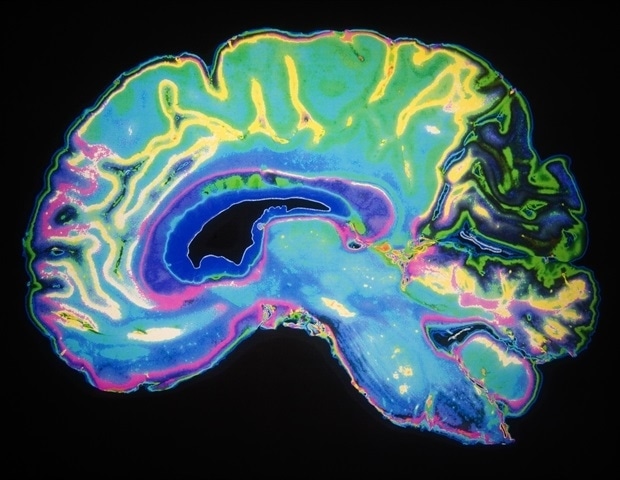
Stanford Medicine researchers have fundamentally overturned the centuries-old model of brain development, revealing that the human brain is actually two distinct organs that evolved independently. This paradigm-shifting discovery, alongside a separate finding that axons are not smooth tubes but dynamic "pearl-like" structures, marks a week of profound structural re-evaluations in neuroscience.
Neuroscience Frontiers — 2026-09-19
Top Discoveries
The Human Brain is Two Separate Organs
- Institution: Stanford Medicine
- Key Finding: A new study reveals that what has traditionally been considered a single unified organ is actually composed of two distinct systems—the forebrain and the hindbrain—that evolved independently over hundreds of millions of years. This research overturns prevailing models of brain development and suggests these systems function with a high degree of autonomy.
- Why It Matters: This discovery opens the door to new therapeutic avenues, including the first successful lab-grown human hindbrain neurons. It challenges basic biological assumptions and could reshape how we understand neurological disorders that affect specific brain regions differently.
Axons are Not Smooth Tubes: The "Pearl" Structure Discovery
- Institution: ScienceDaily (Research summary)
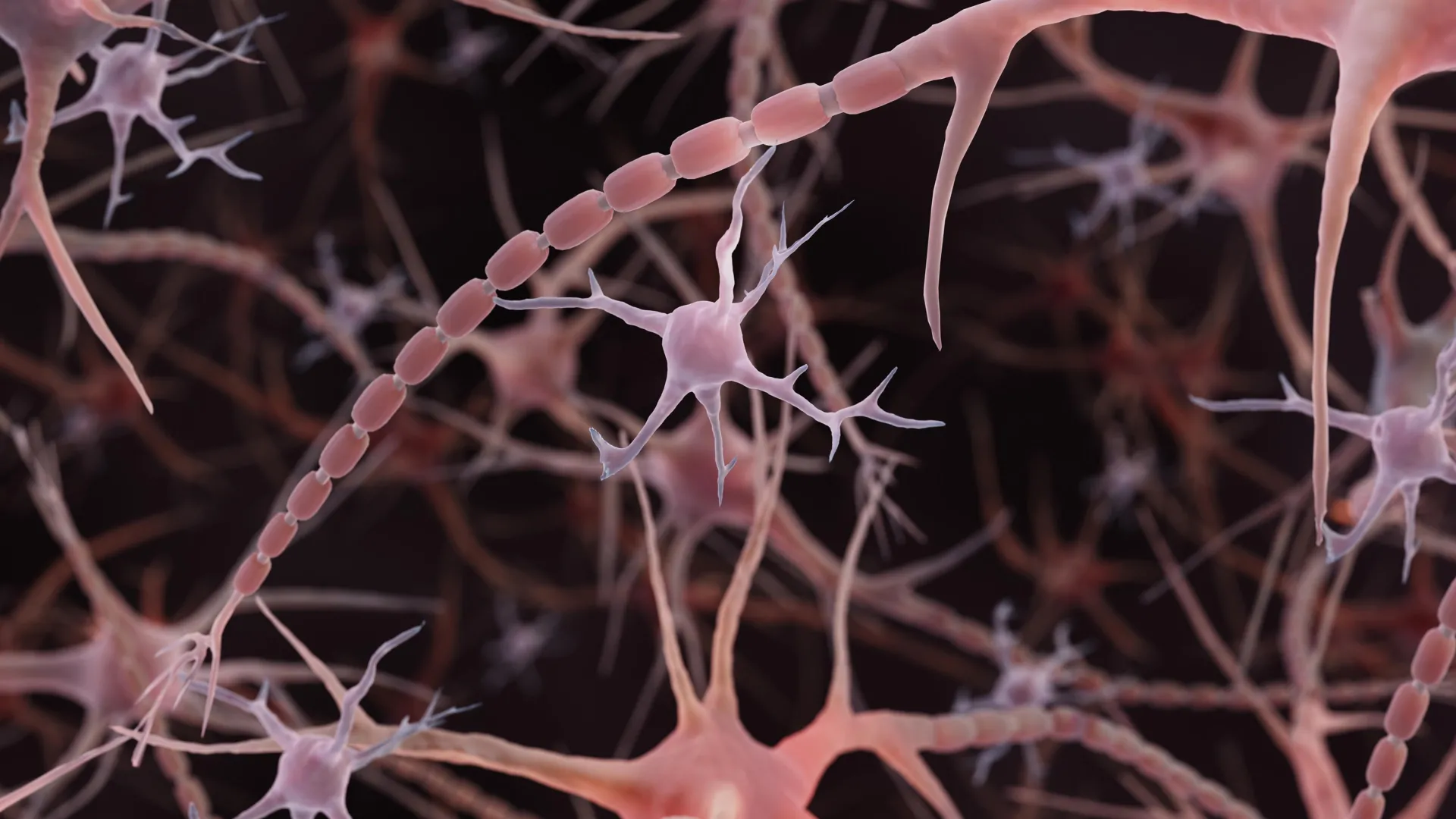
- Key Finding: Scientists have discovered that brain-cell axons do not resemble the smooth tubes depicted in textbooks for over a century. Instead, they naturally resemble strings of tiny pearls. These pearl-like structures are dynamic and can change shape based on neural activity.
- Why It Matters: This structural correction provides a new mechanism for understanding how electrical signals travel through the brain. The ability of these "pearls" to change may be a key factor in controlling signal speed and neural communication efficiency.
Wireless Neural Recording in Natural Environments
- Institution: Scientific Reports / Nature Research
- Key Finding: Researchers developed a miniaturized, wireless platform capable of recording and manipulating neural and physiological activity in small animals. This technology allows for the study of neural mechanisms underlying rodent social group behaviors in both laboratory settings and outdoor natural environments.
- Why It Matters: Traditional neuroscience often relies on tethered equipment or head-fixed setups, which limit natural behavior. This platform bridges the gap between controlled lab experiments and ecological validity, allowing scientists to observe how brains function during complex social interactions in the wild.
Clinical & Translational Advances
Lab-Grown Human Hindbrain Neurons As part of the Stanford Medicine study identifying the brain as two separate organs, researchers successfully generated the first lab-grown human hindbrain neurons. This breakthrough provides a novel model system for studying diseases specific to the hindbrain, such as certain motor neuron disorders and respiratory control issues, which were previously difficult to model using standard forebrain-centric cell lines.
Neuromodulation and Compensatory Adaptations A recent perspective in Nature Neuroscience argues that neuromodulation therapies should harness the brain’s natural compensatory adaptations rather than solely attempting to restore "healthy-like" dynamics. This framework aims to improve cognition in psychiatric and aging populations by working with the brain's existing adaptive mechanisms rather than against them.
Brain Science Deep Dive
The Evolutionary Duality of the Brain The most significant finding this week is the reclassification of the human brain into two distinct evolutionary organs. For centuries, biology treated the brain as a single unit, but Stanford-led research demonstrates that the forebrain and hindbrain evolved independently over hundreds of millions of years. The methodology involved tracing genetic and developmental lineages, revealing that these systems did not just grow together but originated as separate entities that later integrated.
This novelty lies in its implication for development and disease: if the brain is two organs, then developmental errors might not be global failures but specific misalignments between two distinct systems. This discovery enables the creation of hindbrain-specific models, such as the newly grown human hindbrain neurons, which offer a pristine environment for testing drugs and studying neurodevelopmental disorders without the confounding variables of forebrain tissue. It forces a complete rewrite of how we teach brain anatomy and understand neural connectivity.
Emerging Patterns & Themes
- Structural Re-evaluation: Multiple studies this week (the two-organ brain theory and the pearl-like axon structure) suggest that our fundamental understanding of brain anatomy is being corrected by new imaging and genetic data, moving away from simplified textbook models toward more complex, dynamic realities.
- Ecological Validity in Neurotech: The development of wireless neural recording platforms highlights a shift towards studying the brain in naturalistic settings rather than artificial lab constraints, aiming to capture true social and behavioral neural dynamics.
- Adaptive Therapeutics: In clinical neuromodulation, there is a growing theme of leveraging the brain's inherent compensatory mechanisms rather than trying to force a return to a pre-injury state, suggesting a more personalized approach to treating aging and psychiatric conditions.
What to Watch Next
- Hindbrain-Specific Drug Trials: Researchers should monitor upcoming preclinical studies utilizing the newly available lab-grown human hindbrain neurons, particularly for motor neuron and respiratory disorders.
- Axonal Dynamics Imaging: Look for follow-up studies using high-resolution microscopy to visualize how the newly discovered "pearl-like" axon structures change in real-time during different cognitive tasks or disease states.
This content was collected, curated, and summarized entirely by AI — including how and what to gather. It may contain inaccuracies. Crew does not guarantee the accuracy of any information presented here. Always verify facts on your own before acting on them. Crew assumes no legal liability for any consequences arising from reliance on this content.
Powered by
