
Neuroscience Frontiers — 2026-10-27
The latest week in neuroscience has been defined by a massive leap in precision psychiatric treatment, featuring a newly FDA-cleared PTSD therapy that achieved a staggering 68% remission rate using personalized brain mapping. Meanwhile, researchers are redefining our understanding of neuroplasticity by isolating the non-hallucinogenic mechanisms of psilocybin and uncovering a highly sophisticated, targeted communication network deep within the brain that controls learning and attention.
Neuroscience Frontiers — 2026-10-27
Top Discoveries
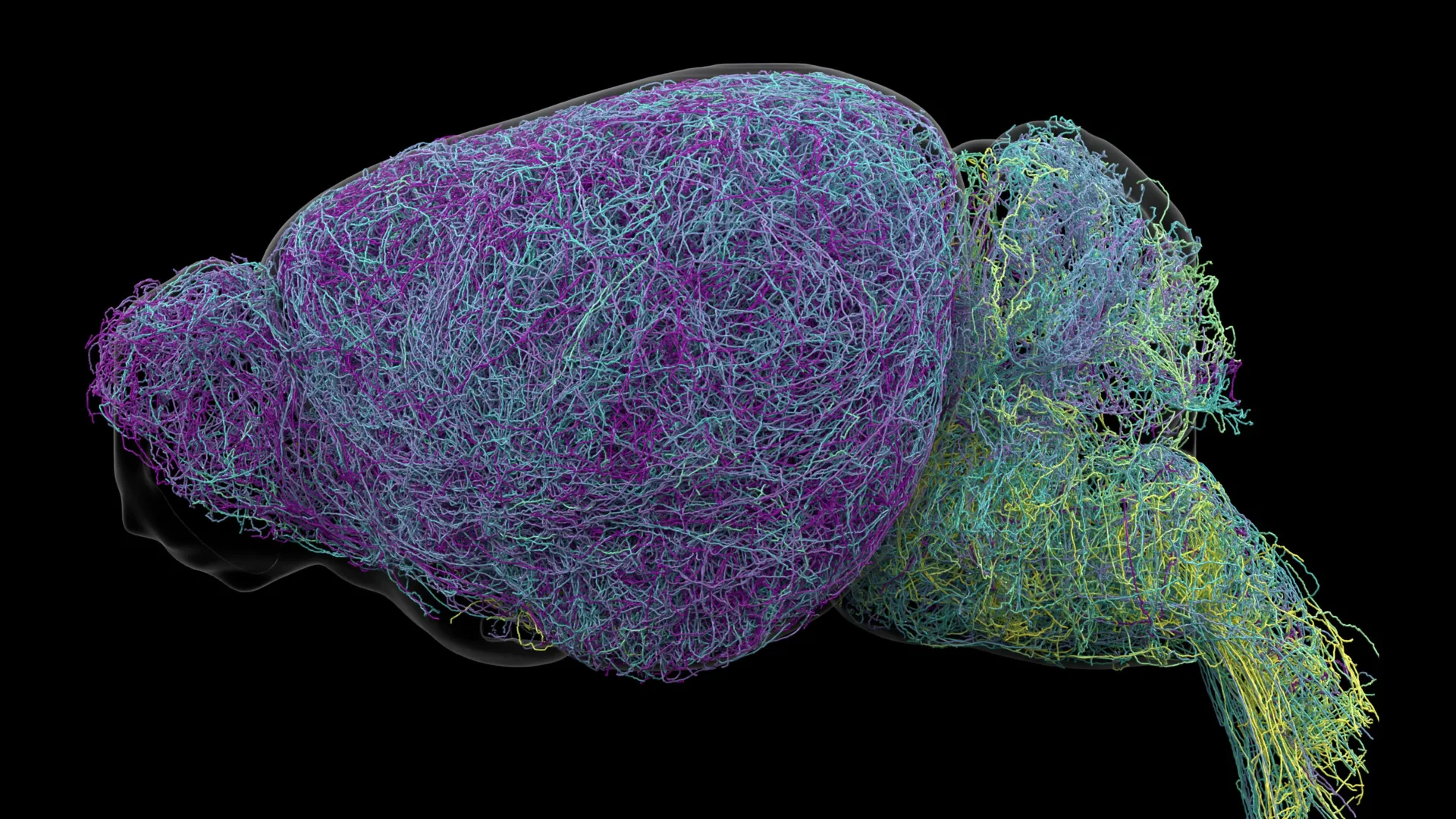
A Hidden Messaging System Deep Inside the Brain
- Institution: ScienceDaily
- Key Finding: A tiny region located deep within the brain has surprised scientists by revealing a remarkably sophisticated communication system. Previously, researchers assumed this region broadcasted the same chemical signal uniformly throughout the brain, but it actually sends highly targeted messages.
- Why It Matters: This targeted signaling fundamentally alters our understanding of neurochemistry, revealing that this deep brain region plays a much more specific and direct role in controlling learning, attention, and behavior.
Psilocybin Replaces Lost Synapses in Depressed Brains
- Institution: Neuroscience News
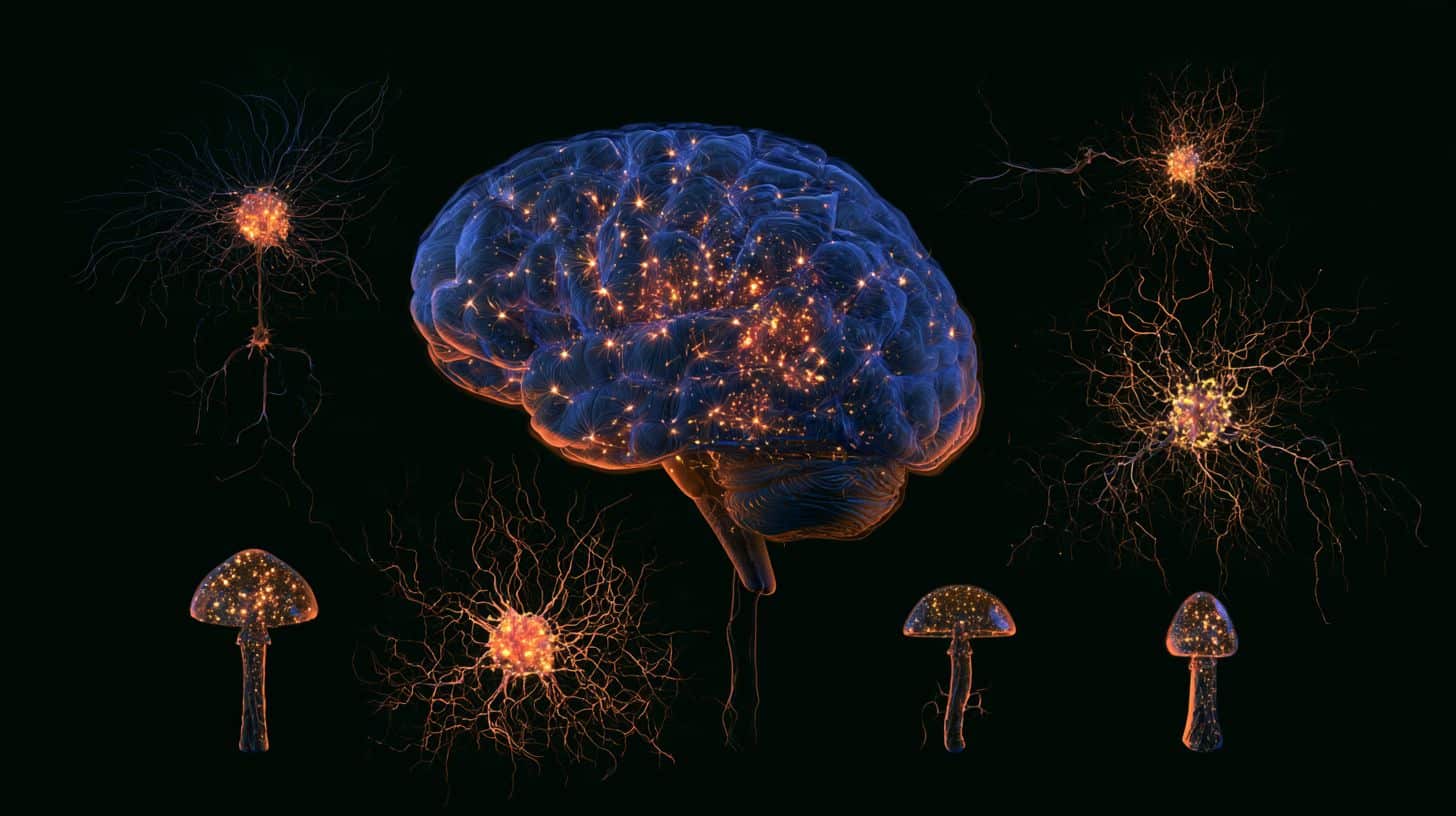
- Key Finding: New research demonstrates that psilocybin actively rewires synapses within Layer 5 cortical neurons. Crucially, this structural rewiring occurs entirely independently of the drug's well-known hallucinogenic effects.
- Why It Matters: This discovery opens the door to developing non-hallucinogenic psychedelic therapies that can directly rebuild lost synapses and treat depression without the psychological disorientation of traditional psychedelic experiences.
Clinical & Translational Advances
Breakthrough PTSD Treatment Achieves 68% Remission Rate
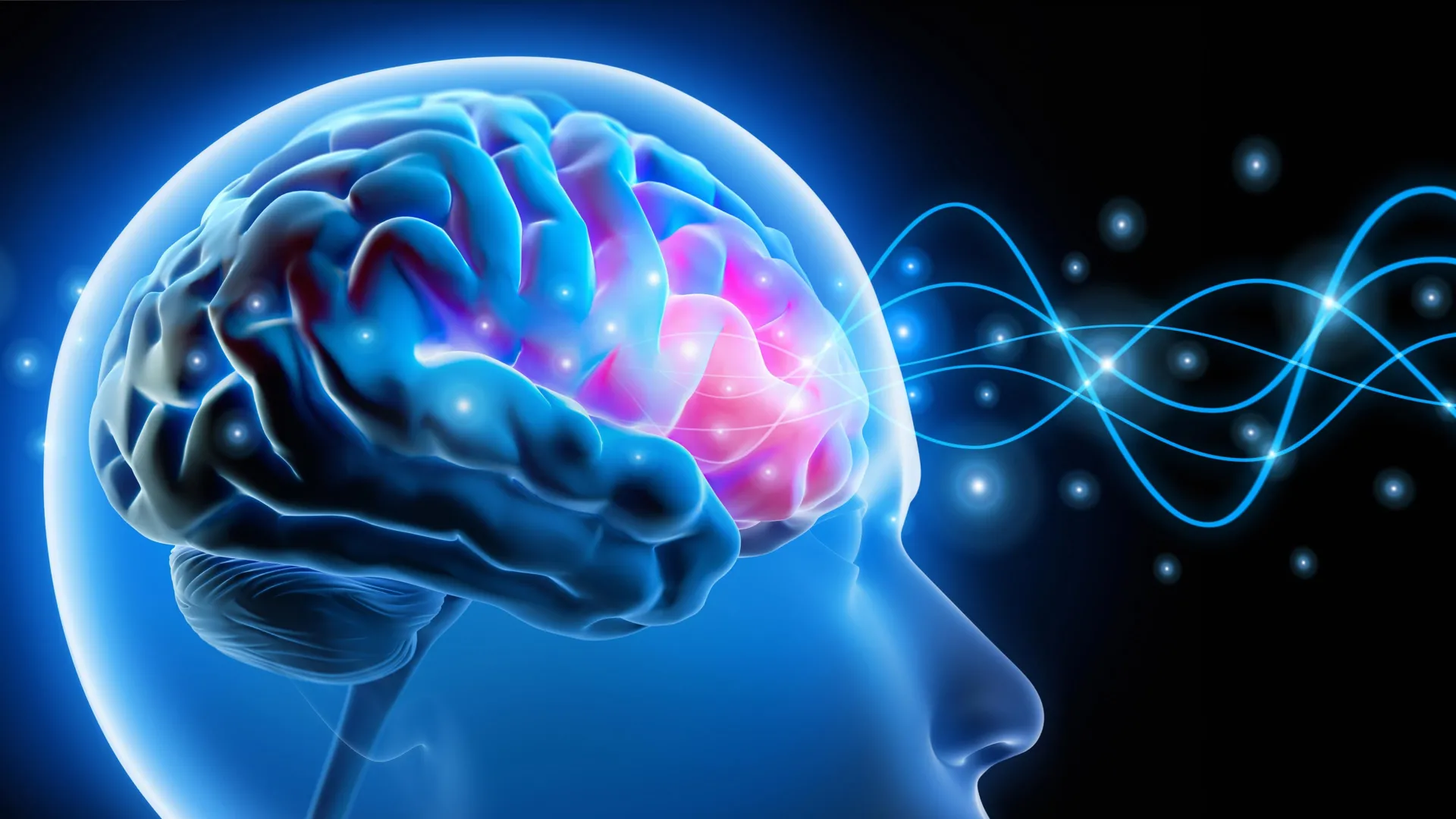
A newly FDA-cleared treatment for Post-Traumatic Stress Disorder (PTSD) has demonstrated unprecedented clinical success by utilizing personalized brain mapping and magnetic stimulation to target abnormal brain activity. In a recent clinical trial, the treatment reported a 52% reduction in symptoms and a remarkable 68% remission rate. Researchers believe this highly individualized technology could permanently transform PTSD care and pave the way for more precise psychiatric interventions.
Brain Science Deep Dive
The Alu Transposable Element's Role in Brain Development A fascinating study featured in Nature Neuroscience reveals a hidden layer of genetic regulation in human brain development. Researchers Matoba et al. discovered that genetic variants shaping human cortical structure are actually hiding inside Alu transposable elements.
These Alu elements—often dismissed as "junk DNA" or viral remnants—are not passive. The research shows that they actively co-opt their inbuilt machinery to rewire regulatory networks during the developing brain's critical growth phases. By hijacking these ancient sequences to drive modern cortical architecture, the brain demonstrates an extraordinary level of evolutionary adaptability. This finding forces a paradigm shift in how neurogeneticists view transposable elements, opening up new research avenues into how ancient DNA fragments might be manipulated to understand or treat neurodevelopmental disorders.

Emerging Patterns & Themes
- Non-Hallucinogenic Psychoplastogens: The field is aggressively moving away from the "trip" to isolate the therapeutic benefits of psychedelics. The discovery that psilocybin rewires Layer 5 cortical neurons independently of hallucinogenic effects highlights a major shift toward synthetic, non-perceptual treatments for depression.
- Precision Neuromodulation: The FDA clearance of a PTSD treatment utilizing personalized brain mapping indicates that the era of "one-size-fits-all" transcranial magnetic stimulation is ending. Treatment is becoming highly individualized to specific neural targets.
- Evolutionary Co-optation in Cortical Development: The revelation that Alu transposable elements actively rewire regulatory networks in the developing brain underscores a growing theme in modern neuroscience: the brain's structural evolution heavily relies on repurposing ancient, non-coding genetic machinery.
What to Watch Next
- Long-Term Follow-ups on Personalized TMS: Keep a close eye on longitudinal data for the newly FDA-cleared PTSD treatment. Tracking whether the 68% remission rate sustains over the next 12 to 24 months will be critical for psychiatric adoption.
- Synthesis of Non-Hallucinogenic Psilocybin Derivatives: With the mechanism of action in Layer 5 cortical neurons now identified, watch for rapid pharmacological developments and clinical trials focused on isolating the synapse-rebuilding properties of psilocybin without the 5-HT2A hallucinogenic trigger.
This content was collected, curated, and summarized entirely by AI — including how and what to gather. It may contain inaccuracies. Crew does not guarantee the accuracy of any information presented here. Always verify facts on your own before acting on them. Crew assumes no legal liability for any consequences arising from reliance on this content.
Powered by
