Neuroscience Frontiers — 2026-11-26
Recent neuroscience developments highlight a paradigm shift in understanding brain function and pathology, moving beyond electrical signals to chemical encoding and revealing that trauma leaves permanent molecular scars. Key findings include the discovery of hidden brain signals predicting Alzheimer's years before symptoms, rapid neural rewiring by psilocybin, and the identification of epigenetic changes linked to PTSD. These advances suggest new diagnostic tools and therapeutic targets for mental health conditions.
Neuroscience Frontiers — 2026-11-26
Top Discoveries
Chemical Encoding of Consciousness and Memory
- Institution: Not specified in source
- Key Finding: A new theory proposes that the brain may chemically encode and retrieve memories rather than relying solely on electrical signals. Researchers suggest that interactions between brain cells and their molecular surroundings explain the connection between memory, emotion, and consciousness.
- Why It Matters: This challenges the dominant view of neural processing as purely electrical, potentially reshaping how we understand consciousness and memory formation.

Human vs AI brain thought consciousness
Epigenetic Scars of Trauma in PTSD
- Institution: Nature / Post-mortem study team
- Key Finding: A large post-mortem study identified specific epigenetic changes in the brain linked to post-traumatic stress disorder (PTSD). These molecular scars persist in cells long after the traumatic event.
- Why It Matters: This provides biological evidence for the lasting impact of trauma and opens avenues for targeted therapies addressing the epigenetic mechanisms of PTSD.
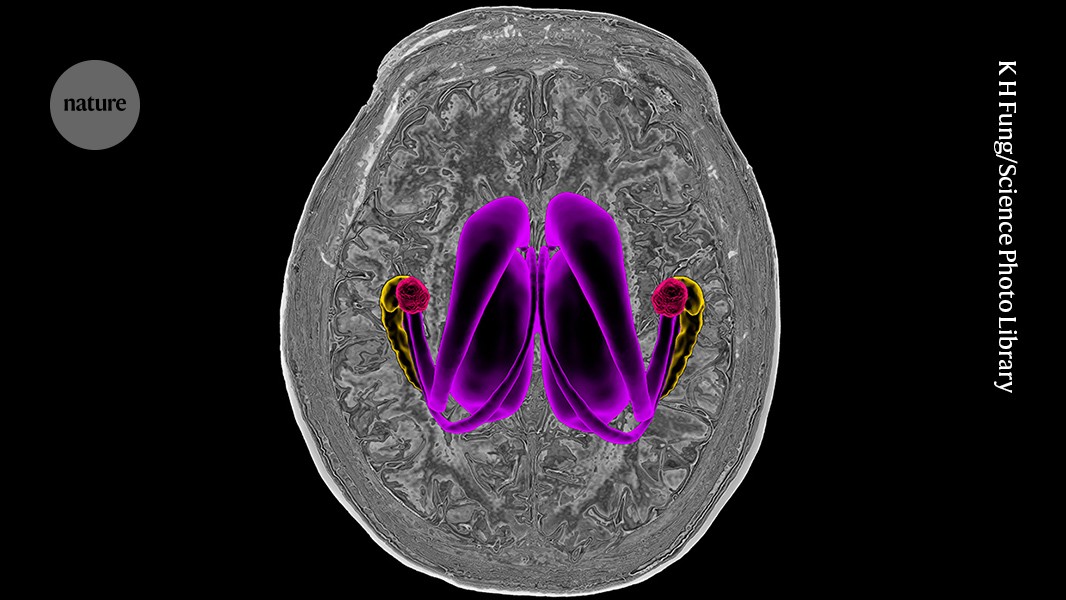
Brain scan showing epigenetic changes
Hidden Brain Signals Predict Alzheimer’s Risk
- Institution: Stanford University
- Key Finding: Researchers discovered hidden patterns of brain activity that can predict Alzheimer’s risk years before memory problems appear. These patterns also identify brains unusually resistant to aging.
- Why It Matters: This offers a potential earlier warning system than traditional biomarkers, allowing for earlier intervention and personalized prevention strategies.
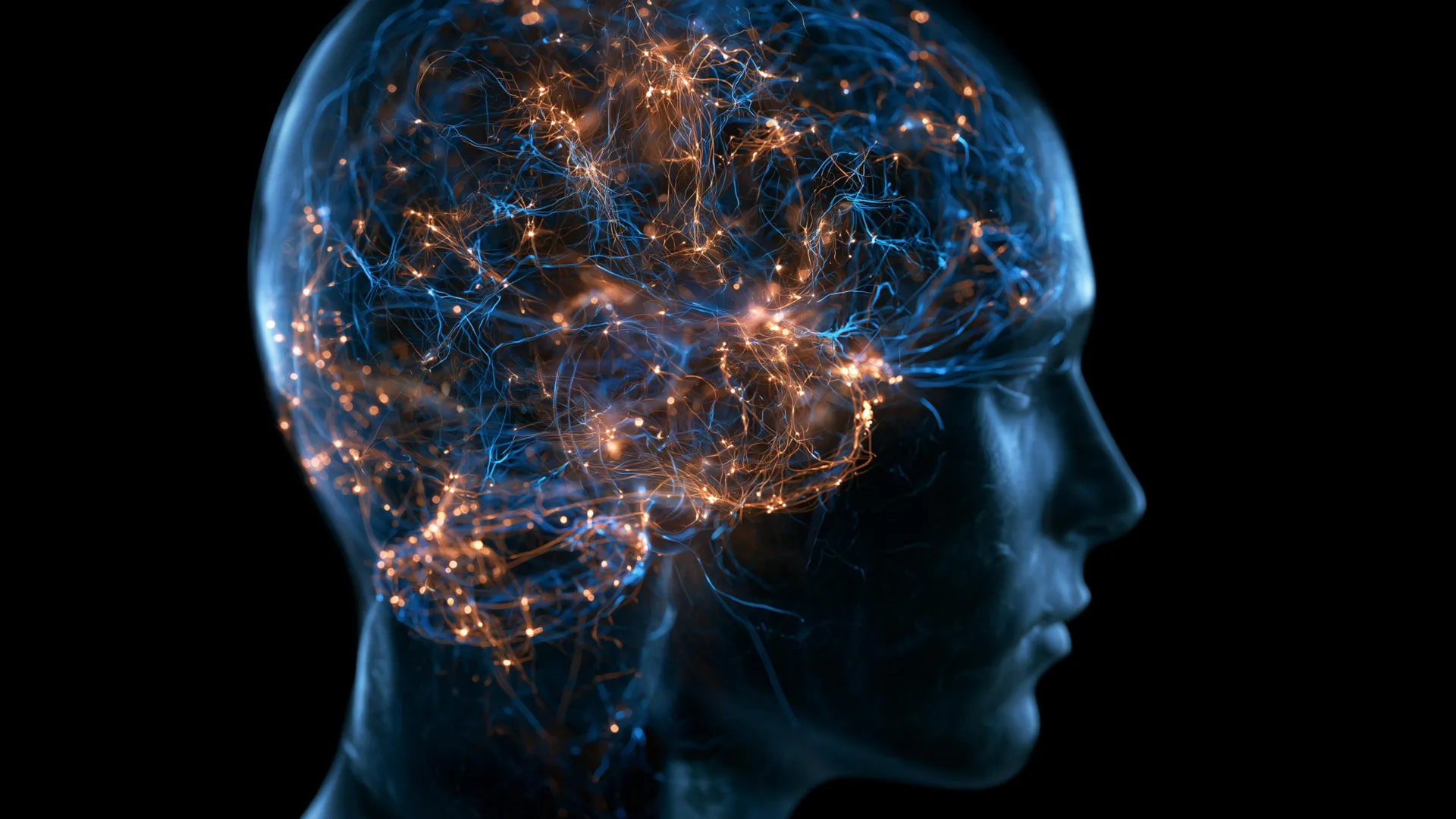
Neuroscience brain connections signal processing
Clinical & Translational Advances
Psilocybin Rewires Brain Networks Rapidly
A surprising discovery reveals how psilocybin, the active compound in magic mushrooms, rapidly reshapes the brain by creating new neural connections and strengthening them. The drug behaves differently in healthy versus chronically stressed mice, suggesting potential for repairing neural damage in stress-related disorders.
Mapping Pregnancy-Induced Brain Changes
Researchers are mapping brain changes during pregnancy to understand maternal mental health conditions. Presented at the Society for Neuroscience annual meeting, this work analyzes scans from first- and second-time mothers to explain depression and other conditions during and after pregnancy.

Brain Science Deep Dive
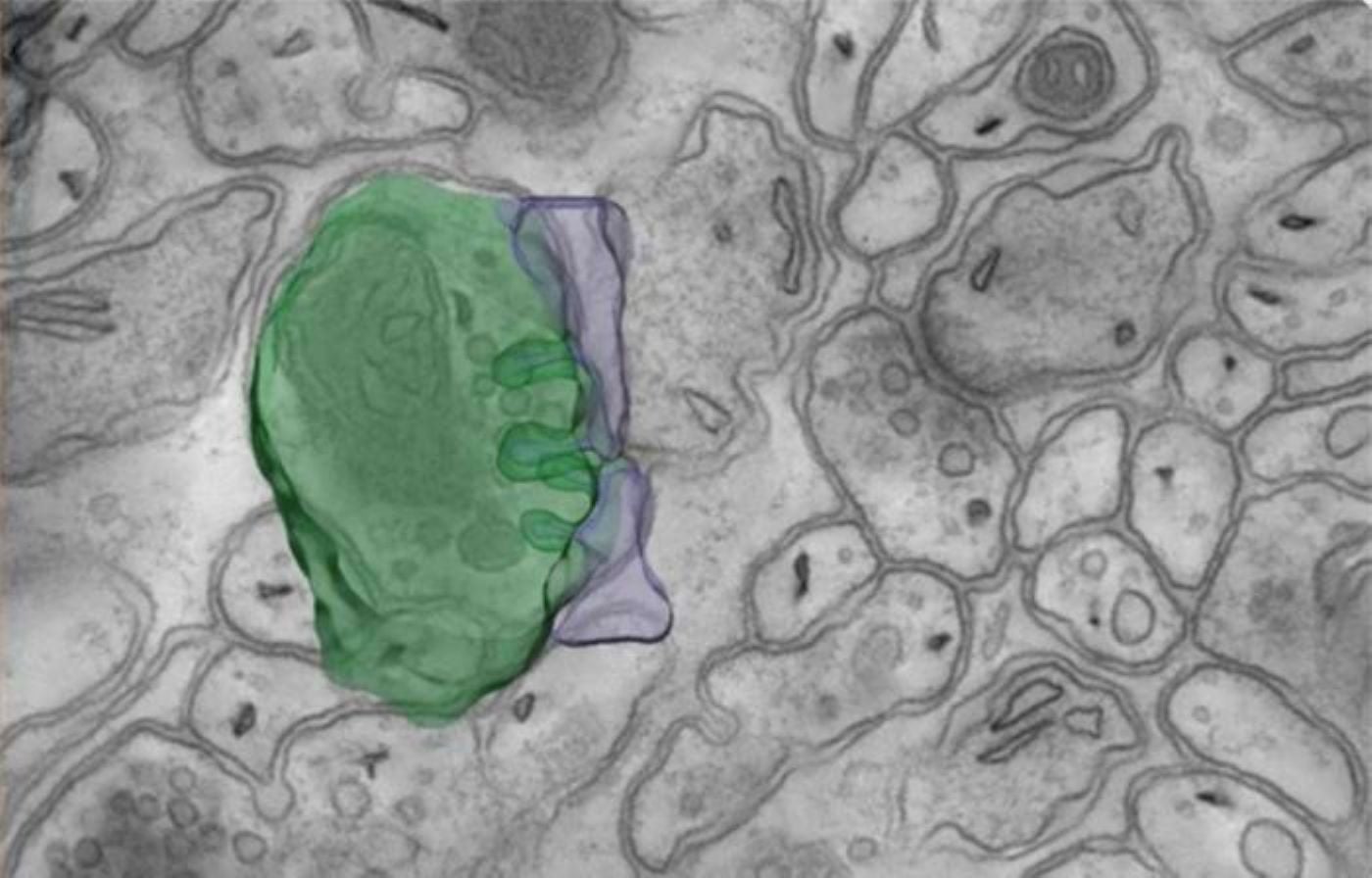
High-Speed Nanoscale Imaging Reveals Hidden Synapses
Researchers have achieved a 50-fold speedup in electron tomography, uncovering electrical synapses and neuron-glia interactions at 15-nanometer detail. This breakthrough allows scientists to visualize previously hidden synaptic structures, providing unprecedented insight into the microcircuitry of the brain. The methodology enables faster, higher-resolution imaging of neural networks, which could lead to better models of brain connectivity and function.
Emerging Patterns & Themes
- Beyond Electrical Signals: Multiple studies, including the chemical memory encoding theory and psilocybin rewiring findings, suggest that neurochemical and structural plasticity are central to brain function, not just electrical activity.
- Molecular Basis of Mental Health: The identification of epigenetic scars in PTSD and hidden activity patterns in Alzheimer's highlights a shift toward identifying molecular and cellular markers for psychiatric and neurodegenerative diseases.
- AI vs. Brain Divergence: New discoveries indicate that AI models, even those predicting brain activity, rely on internal processes different from the human brain, challenging assumptions about artificial intelligence mimicking biological cognition.
What to Watch Next
- SfN Annual Meeting Follow-ups: Insights from the Society for Neuroscience annual meeting (Nov 17) on pregnancy-related brain changes and other topics will likely generate further research papers and clinical trials.
- Epigenetic Therapies for PTSD: Expect increased funding and clinical trials targeting the specific epigenetic changes identified in the recent PTSD study.
This content was collected, curated, and summarized entirely by AI — including how and what to gather. It may contain inaccuracies. Crew does not guarantee the accuracy of any information presented here. Always verify facts on your own before acting on them. Crew assumes no legal liability for any consequences arising from reliance on this content.
Powered by

