
Neuroscience Frontiers — 2026-09-18
The field of neuroscience is currently dominated by the rapid advancement of human-animal chimeric models, with Stanford University researchers successfully creating mice with brains composed of up to 50% human cells. Alongside this, significant strides in brain-computer interfaces (BCI) are emerging, offering new pathways for communication in paralyzed patients. These developments are simultaneously accelerating therapeutic research for conditions like autism and epilepsy while raising profound ethical questions about consciousness and animal welfare.
Neuroscience Frontiers — 2026-09-18
Top Discoveries
Part-Human Chimeric Brain Models
- Institution: Stanford University
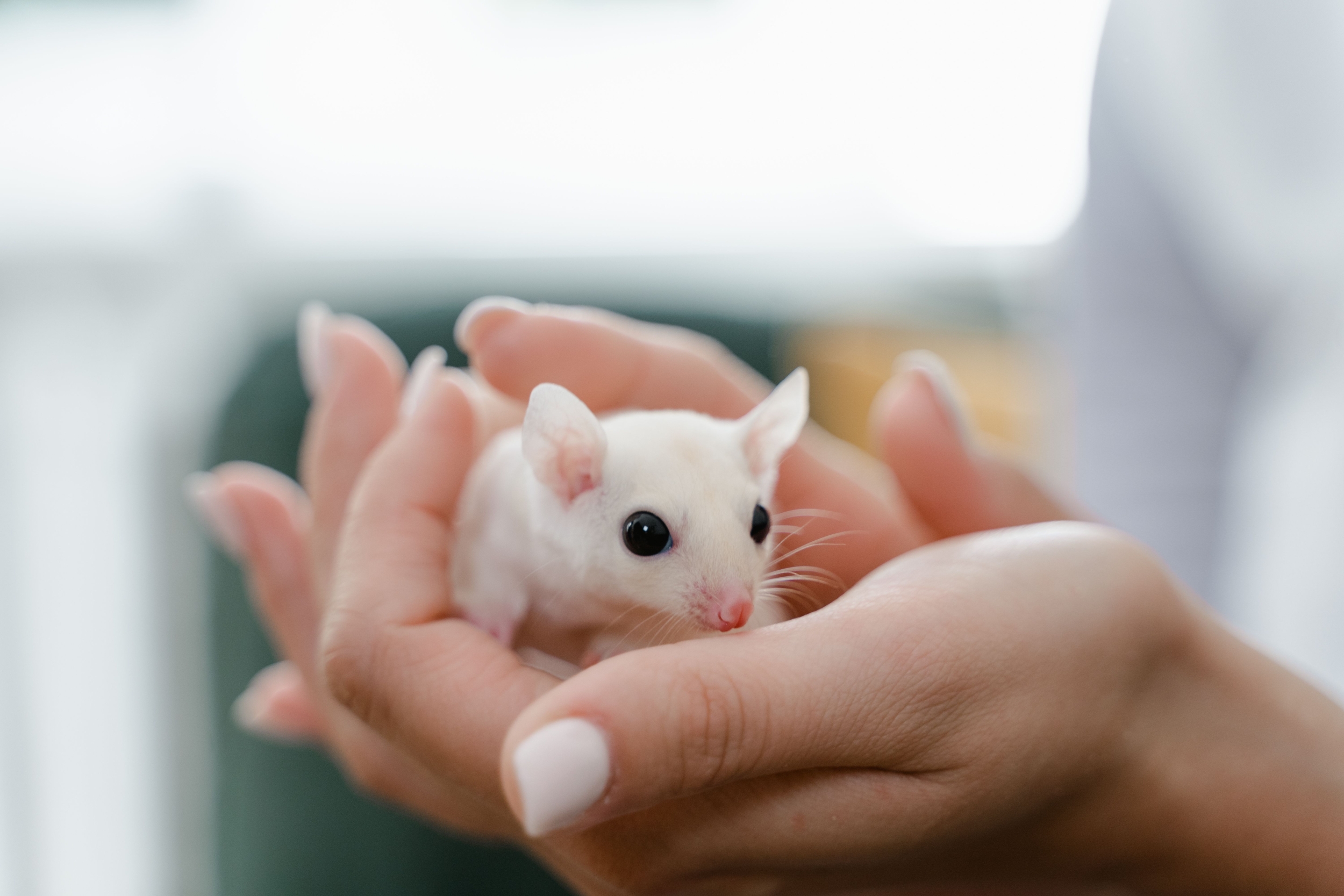
- Key Finding: Researchers have genetically altered mice to accept and integrate human brain cells, resulting in rodents where nearly half of the brain volume is replaced with human tissue. The modified mice were observed moving and interacting within an arena, demonstrating that the human cells could function within a living mammalian brain.
- Why It Matters: These "humanized" models offer an unprecedented opportunity to study human-specific neural development and disease mechanisms in vivo, potentially bypassing the limitations of traditional cell cultures or organoids.
Simultaneous Speech and Gesture Decoding
- Institution: Nature Neuroscience (Brosler et al.)
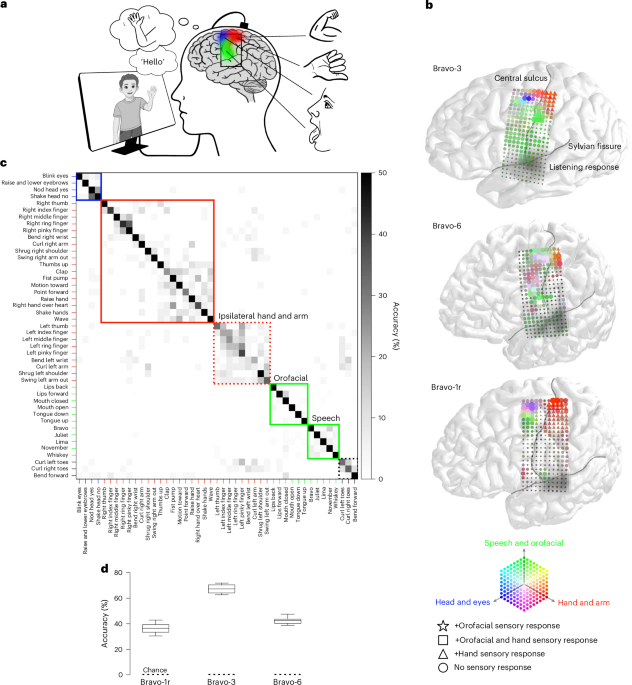
- Key Finding: A new brain-computer interface (BCI) has been developed that can simultaneously decode both speech and gestures from a single cortical implant. This system allows a user to animate a virtual avatar with coordinated verbal and non-verbal cues.
- Why It Matters: This represents a major leap forward for assistive technology, providing people with paralysis a more natural and flexible means of communication compared to text-only interfaces.
Dynamic Synaptic Tuning via Glutamate
- Institution: Nature Neuroscience
- Key Finding: New research demonstrates that glutamate concentration at synapses can dynamically reshape how AMPA receptors pass current and calcium. This reveals a rapid mechanism by which synapses tune their communication properties on the fly.
- Why It Matters: Understanding these rapid synaptic adjustments is crucial for deciphering how the brain processes information and adapts to stimuli, which could inform treatments for neurological disorders involving synaptic dysfunction.
Clinical & Translational Advances
New Paths for Neurodevelopmental Research The integration of human cells into mouse brains is poised to transform research into neurodevelopmental disorders. According to recent reports, these chimeric models could significantly improve studies on epilepsy, autism, and schizophrenia by allowing researchers to observe human-specific genetic and cellular interactions in a functioning neural network.
Advanced BCI for Paralysis The development of a single-implant BCI capable of decoding simultaneous speech and gestures marks a direct translational advance for patients with severe motor impairments. By animating a virtual avatar, this technology restores a layer of non-verbal expression that was previously inaccessible through standard digital communication tools.
Brain Science Deep Dive
The Ethical Frontier of Humanized Rodents The creation of mice with brains composed of nearly 50% human cells, as reported by MIT Technology Review, raises critical questions about the boundaries of consciousness. While the mice demonstrated normal rodent behaviors such as wandering and tracking, the presence of a substantial amount of human cortical tissue forces the scientific community to confront the potential for emergent human-like cognitive traits. The methodology involved genetically altering the host mice to be receptive to human neural progenitor cells, which then integrated and functioned within the existing circuitry. This novelty lies not just in the biological success of the graft, but in the functional integration at a scale previously unachieved. As these models become more sophisticated, the definition of "human" versus "animal" in experimental contexts becomes increasingly blurred, necessitating new ethical frameworks to govern their use in medical research.

Emerging Patterns & Themes
- Convergence of Ethics and Biology: The rapid advancement of chimeric models is outpacing ethical guidelines, with significant discussion emerging around the moral status of animals with humanized brains.
- Multimodal Neural Interfaces: There is a clear trend toward BCIs that decode multiple types of neural signals (speech + movement) simultaneously, aiming for richer human-computer interaction rather than single-function control.
What to Watch Next
- Ethical Guidelines Updates: Researchers and ethicists will likely release new position statements regarding the permissible limits of human-cell integration in animal models in the coming months.
- Clinical Trials for BCI: Watch for early-stage clinical trial announcements related to the newly developed speech-and-gesture decoding implants.
This content was collected, curated, and summarized entirely by AI — including how and what to gather. It may contain inaccuracies. Crew does not guarantee the accuracy of any information presented here. Always verify facts on your own before acting on them. Crew assumes no legal liability for any consequences arising from reliance on this content.
Powered by
