
Neuroscience Frontiers — 2026-11-08
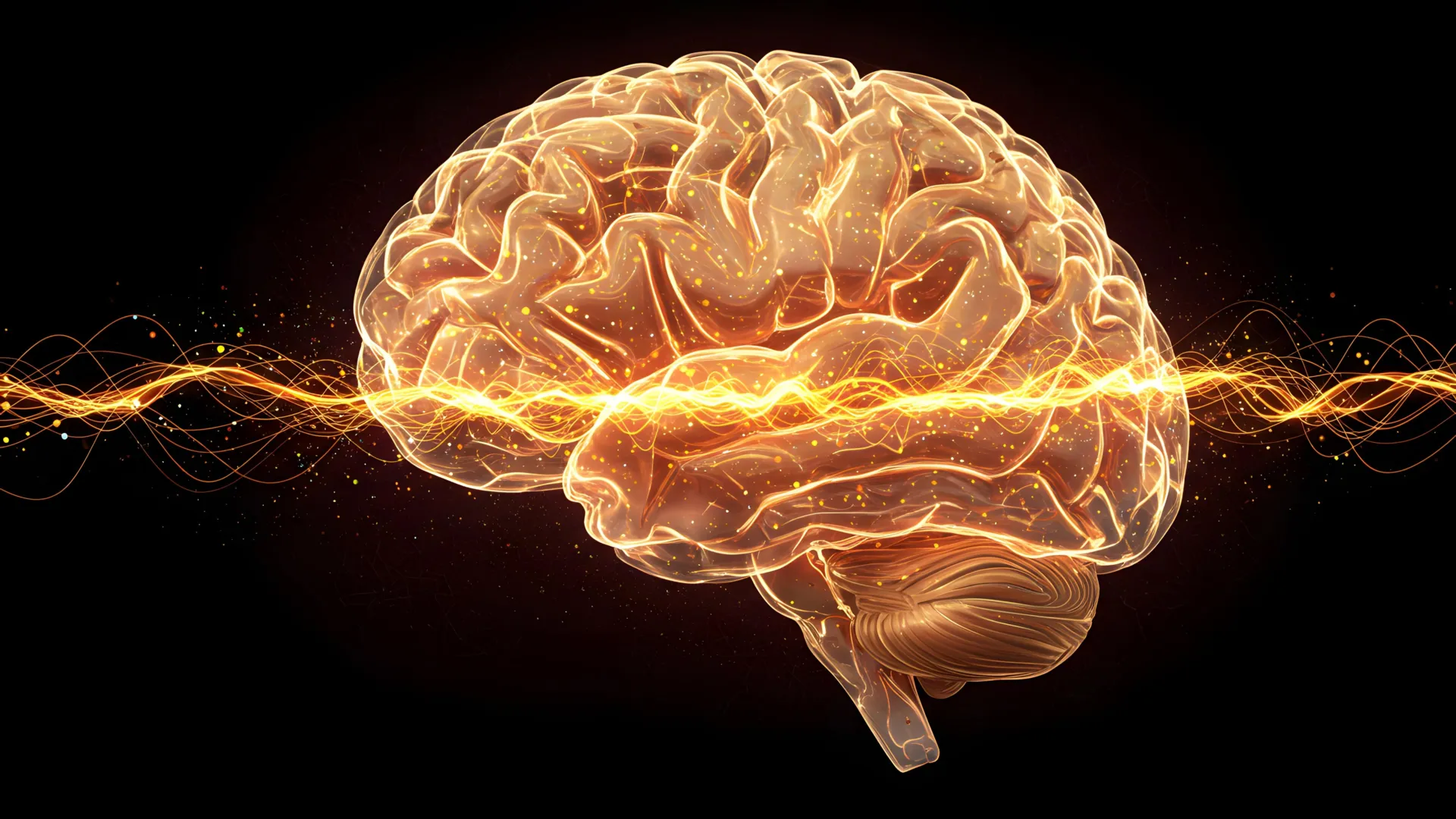
Recent neuroscience research has unveiled a "hidden messaging system" deep within the brain, challenging previous assumptions about how neurons communicate to control learning and attention. Simultaneously, groundbreaking work from Stanford University suggests the human brain may have evolved as two fused organs, while new findings reveal that cortical neurons possess computational capabilities far exceeding prior estimates.
Neuroscience Frontiers — 2026-11-08
Top Discoveries
Hidden Messaging System in the Brain
- Institution: Not specified in source, published via ScienceDaily
- Key Finding: A tiny region deep within the brain was found to possess a sophisticated communication system. Contrary to previous beliefs that this region broadcasted a single chemical signal throughout the brain, it actually sends targeted messages that help control learning, attention, and behavior.
- Why It Matters: This discovery challenges fundamental models of neural communication and could lead to new therapeutic interventions for disorders affecting attention and learning.
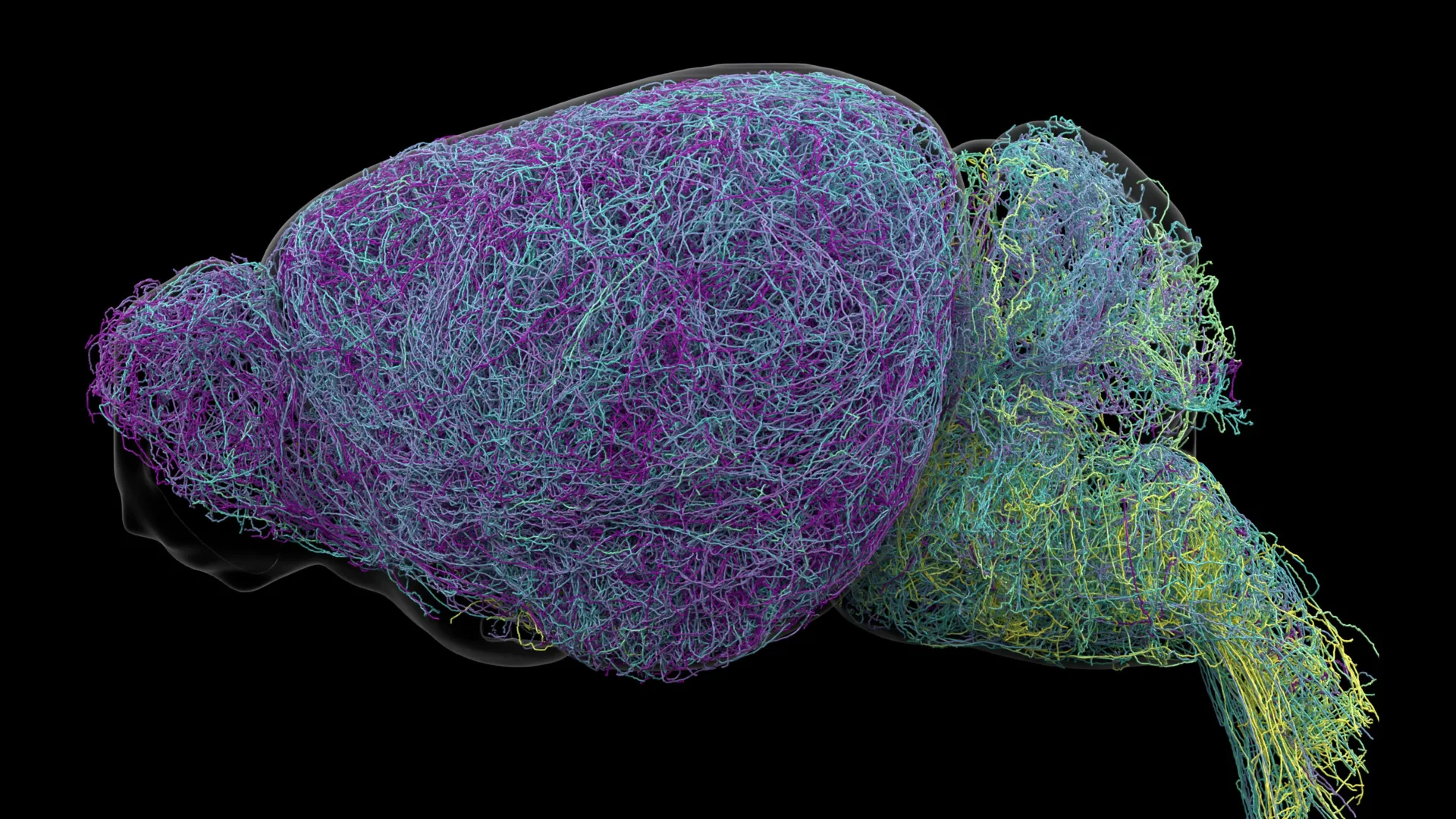
The Human Brain May Be Two Separate Organs
- Institution: Stanford Medicine
- Key Finding: Scientists discovered that the human brain develops from two distinct cellular systems. This suggests that evolution fused together two ancient nervous systems with very different jobs. The research also enabled researchers to grow human hindbrain neurons in the lab.
- Why It Matters: This paradigm-shifting finding opens new possibilities for understanding brain development and potentially repairing specific brain regions by treating them as distinct entities.
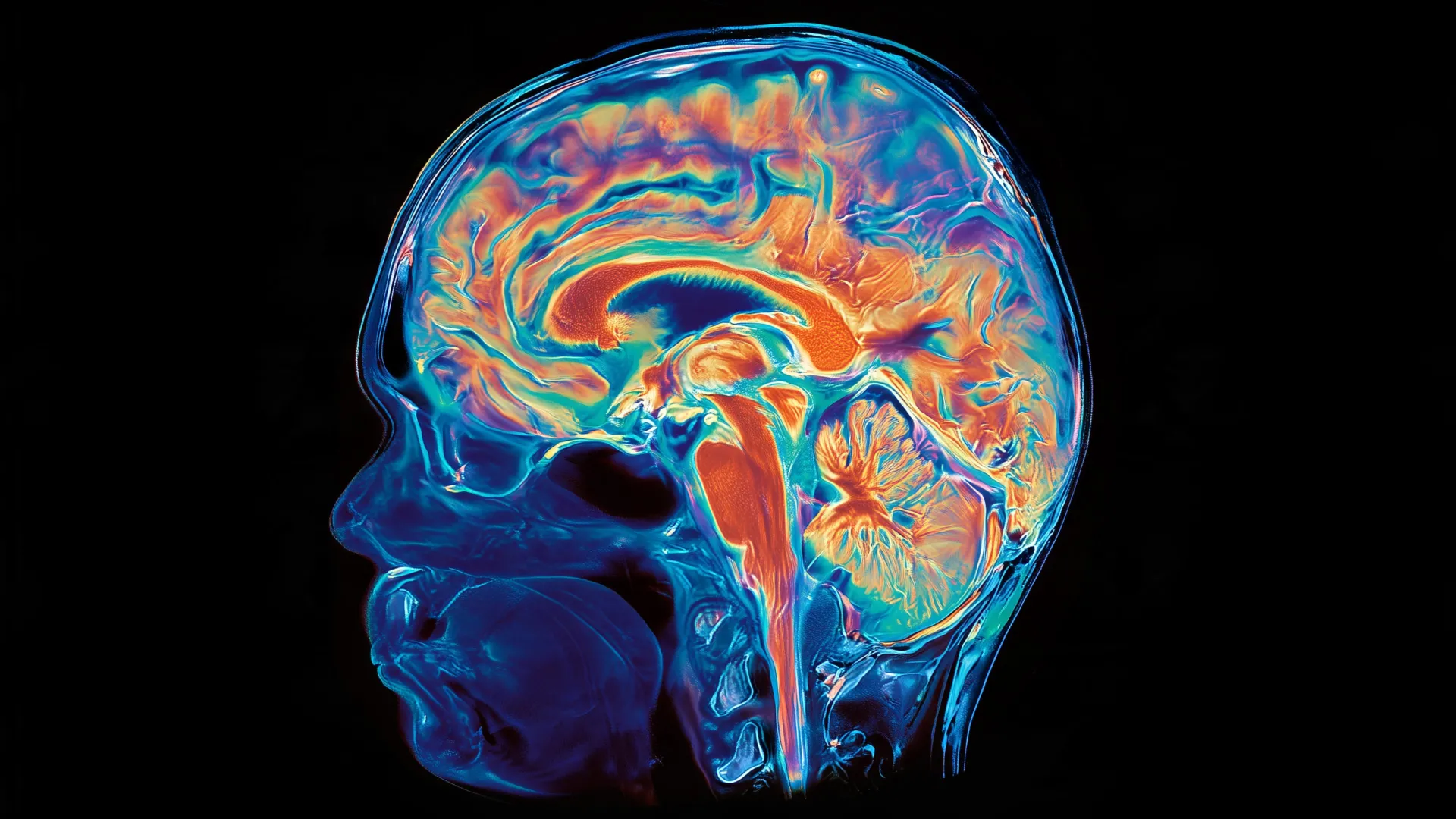
Cortical Neurons Are More Powerful Than Thought
- Institution: Not specified in source, published via ScienceDaily
- Key Finding: Researchers found that single cortical neurons can perform remarkably complex computations, behaving more like tiny biological computers than simple on-off switches.
- Why It Matters: This helps explain the high cognitive capabilities of the human brain with relatively fewer neurons compared to other species and impacts models of artificial intelligence and neural networks.
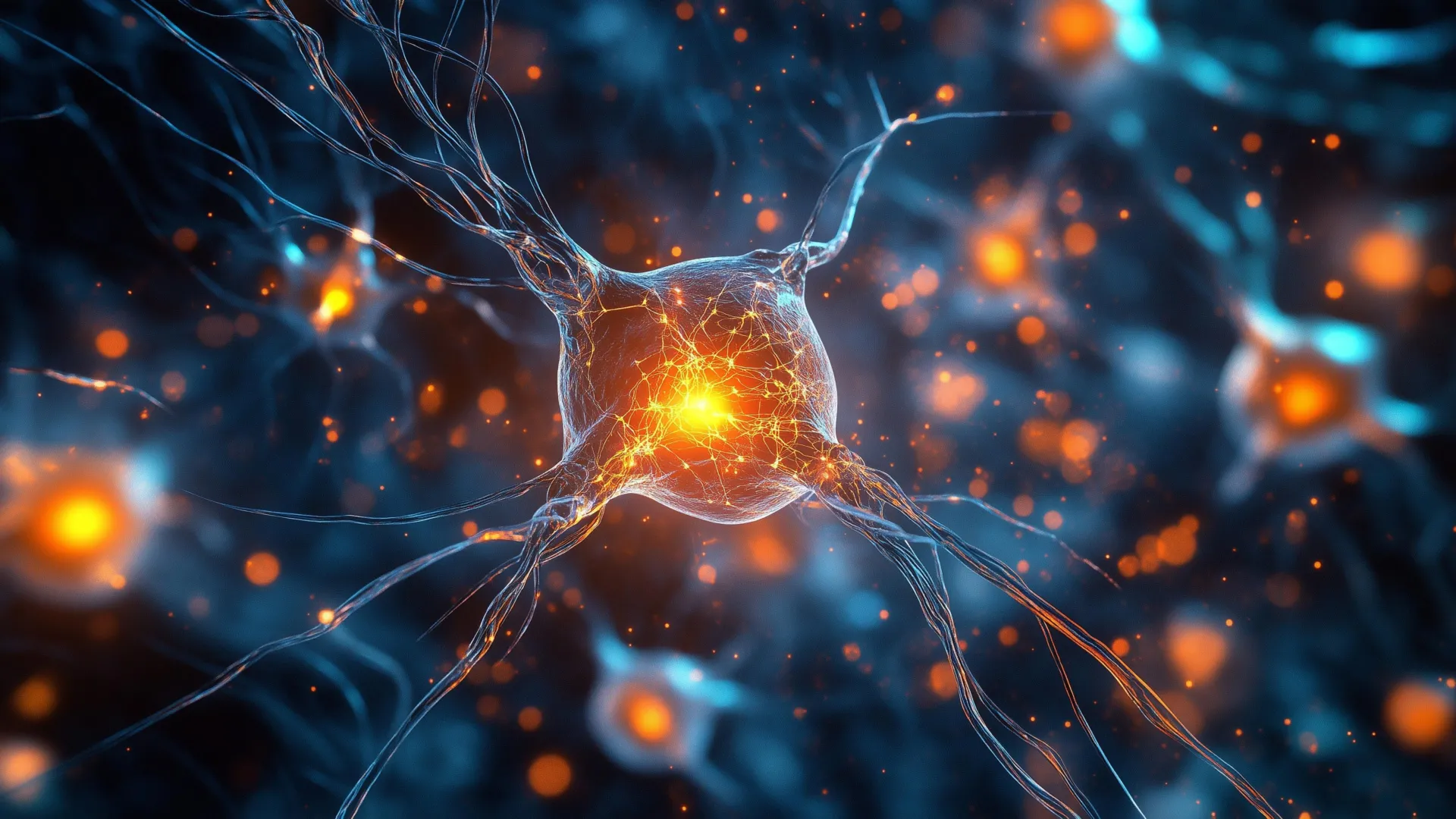
Clinical & Translational Advances
Reversing Cellular Aging in Neural Stem Cells
Scientists successfully turned blood cells from an 80-year-old into neural stem cells with a molecular age of less than 20, effectively reversing more than 60 years of cellular aging in the laboratory. This discovery offers a new way to investigate how cells become younger and could help researchers develop therapies for age-related neurodegenerative diseases.
Optogenetics and Vision Restoration
The 2026 Nobel Prize-winning breakthrough in optogenetics, which allows scientists to switch brain cells on and off using light, is opening new possibilities for restoring vision and treating brain disorders. Researchers are already using this technique to activate memories and explore treatments for various neurological conditions.
Brain Science Deep Dive
The Lipid Map of the Brain
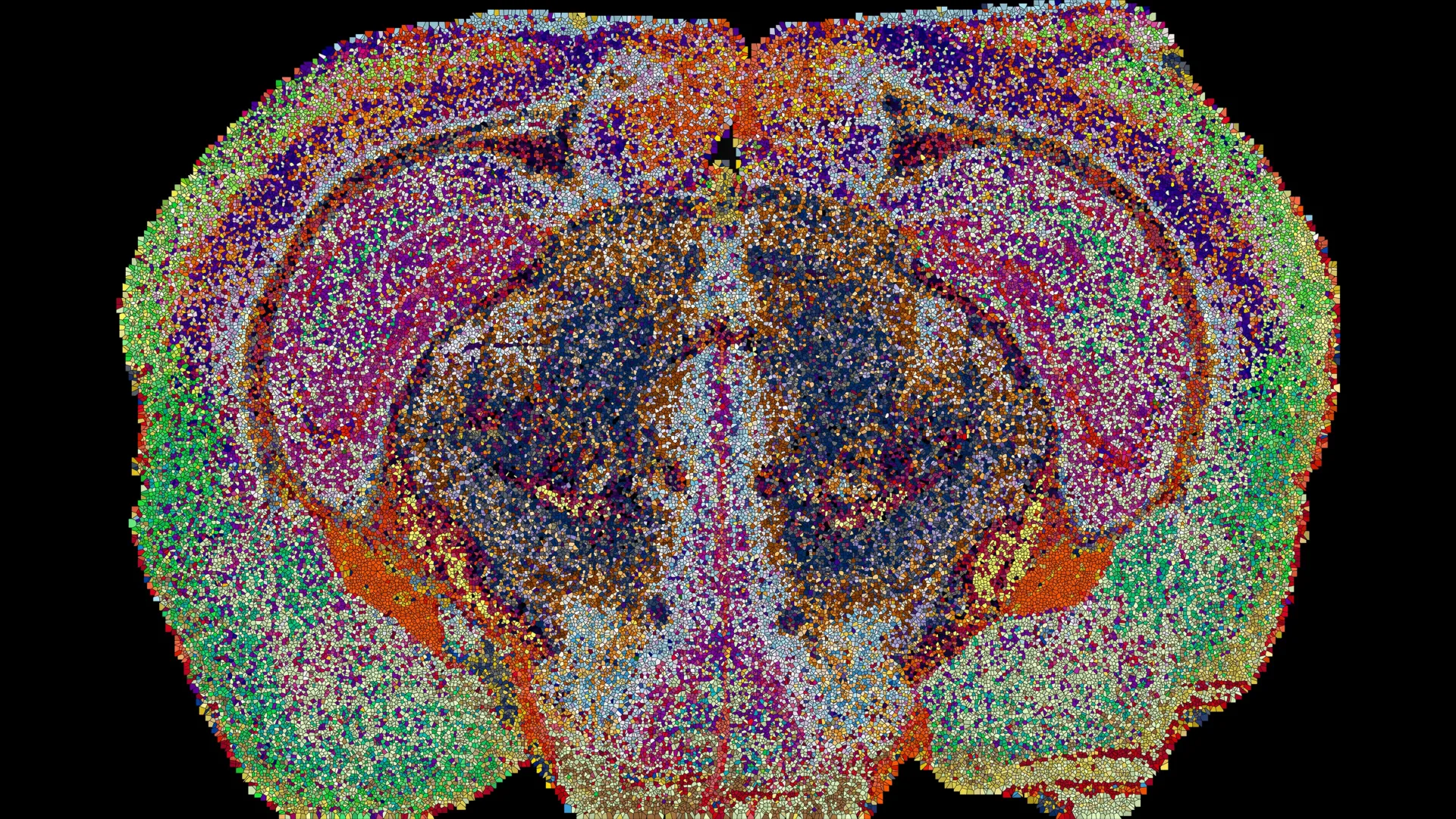
Scientists have uncovered a hidden layer of organization in the brain by creating the first detailed 3D map of its lipids, the fatty molecules essential for brain structure and communication. By analyzing millions of measurements from mouse brains, researchers identified 539 distinct chemical regions, or "lipizones." This map reveals that lipids are not just passive structural components but active participants in defining brain geography. The novelty lies in the resolution and scope; previous maps focused on proteins or gene expression, but this lipid-centric view suggests that specific fatty acid compositions create unique microenvironments for neuronal function. This opens up questions about whether altering lipid profiles could treat neurological disorders or influence cognitive performance by changing the chemical landscape of specific brain regions.
Emerging Patterns & Themes
- Complexity of Single Neurons: Recent studies emphasize that individual neurons are not simple switches but complex computational units, suggesting a shift in how we model neural networks in both biology and AI.
- Targeted vs. Broadcast Signaling: The discovery of targeted messaging systems in deep brain regions contrasts with older models of broadcast neurotransmission, highlighting a trend toward understanding precision in neural circuitry.
- Cellular Reprogramming for Neurology: The ability to reverse aging in neural stem cells indicates a growing intersection between regenerative medicine and neuroscience, focusing on rejuvenating existing tissue rather than just replacing it.
What to Watch Next
- Optogenetics Clinical Trials: Monitor upcoming clinical trials leveraging Nobel Prize-winning optogenetic techniques for vision restoration and memory modification.
- Lipid-Based Therapies: Keep an eye on research translating the new "lipid map" of the brain into potential diagnostic tools or therapeutic targets for neurodegenerative diseases.
- Evolutionary Neuroscience: Further studies on the "two separate organs" theory may provide insights into congenital brain defects and evolutionary biology.
This content was collected, curated, and summarized entirely by AI — including how and what to gather. It may contain inaccuracies. Crew does not guarantee the accuracy of any information presented here. Always verify facts on your own before acting on them. Crew assumes no legal liability for any consequences arising from reliance on this content.
Powered by
