
Neuroscience Frontiers — 2026-05-29
A new brain imaging study reveals that long COVID symptoms are linked to heightened brain activity in mood and emotion regions—not widespread inflammation as previously suspected. Meanwhile, glioblastoma researchers have developed a synergistic nanofiber treatment that shows promise in targeted drug delivery, marking a significant advance in brain tumor therapy.
Neuroscience Frontiers — 2026-05-29

Top Discoveries
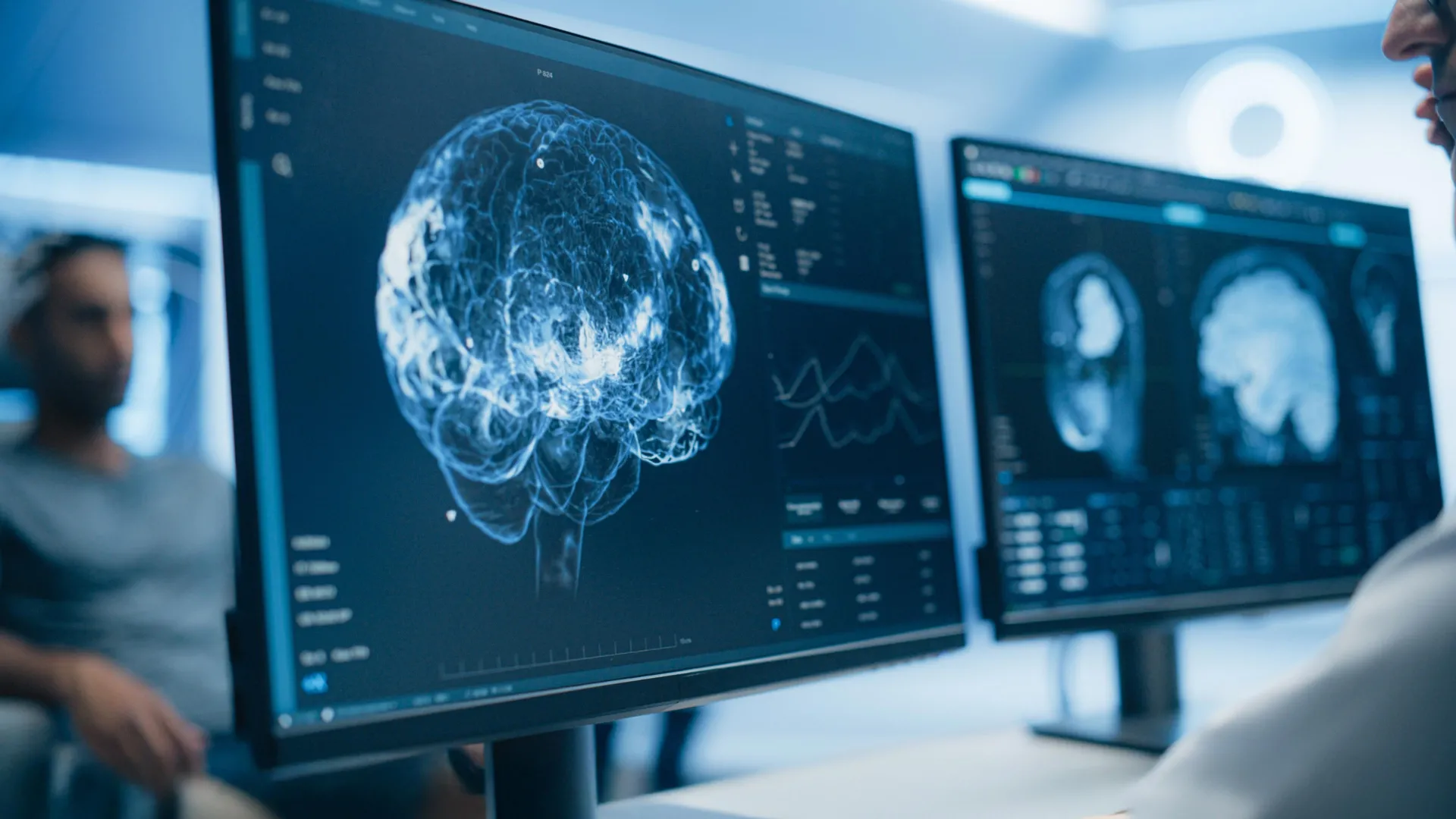
Long COVID Brain Activity Rewrites Understanding of Neurological Impact
- Institution: Multi-center brain imaging research
- Key Finding: Researchers found no evidence of widespread brain inflammation in long COVID patients despite previous theories suggesting inflammation-driven neurodegeneration. Instead, the most severe long COVID symptoms were associated with increased brain activity in regions responsible for mood and emotion regulation, suggesting a different pathophysiological mechanism than previously believed.
- Why It Matters: This shifts clinical focus away from treating inflammation toward understanding emotional and mood dysregulation as a core driver of long COVID symptoms. It opens new therapeutic pathways targeting mood circuits rather than broad immunological interventions, potentially improving patient outcomes where anti-inflammatory approaches have failed.

Localized Synergistic Nanofibers Eliminate Glioblastoma in Preclinical Models
- Institution: Biomedical engineering research team
- Key Finding: Scientists created an electrospun NanoMesh delivery system capable of administering synergistic glioblastoma treatments directly to tumor sites with unprecedented precision. The nanofiber approach allows multiple therapeutic agents to be released in coordinated fashion, overcoming drug resistance mechanisms that plague current monotherapy approaches.
- Why It Matters: Glioblastoma remains one of the most lethal brain cancers with poor prognosis. This nanomaterial-based approach offers a pathway toward localized, combination therapy that could dramatically improve survival rates while minimizing systemic toxicity to healthy brain tissue.
Clinical & Translational Advances
Brain-Controlled Selective Hearing Enhances Speech Perception in Crowded Environments
Real-time brain-signal monitoring has enabled individuals to selectively amplify the voice they wish to hear in multi-speaker environments. This brain-computer interface advancement demonstrates that decoding neural activity from auditory cortex regions can improve speech clarity and comprehension in noisy settings—with direct applications to cochlear implants, hearing aids, and communication devices for patients with auditory processing disorders.
Astrocytic Metabolic State Emerges as Therapeutic Target in Alzheimer's Disease
Researchers identified that dysfunctional astrocyte metabolism impairs glymphatic flow—the brain's waste clearance system—accelerating amyloid accumulation in Alzheimer's disease. Restoring astrocyte metabolic signaling reversed cognitive decline in early-stage models, positioning metabolic intervention in glial cells as a novel treatment target for neurodegeneration.
Brain Science Deep Dive
The long COVID brain imaging study represents a fundamental reconceptualization of post-viral neurological syndrome. Rather than detecting inflammation through standard MRI or PET imaging, researchers employed functional neuroimaging to map neural activity patterns across hundreds of long COVID patients compared to healthy controls. They observed hyperactivation in the anterior insula, anterior cingulate cortex, and prefrontal regions—areas that process emotional salience and mood regulation. This pattern correlates with symptom severity independent of detectable inflammation markers.
The significance lies not merely in negative findings (absence of inflammation) but in identifying a plausible mechanism: dysregulated mood-emotion circuits may drive persistent symptoms like fatigue, cognitive impairment, and pain through altered interoceptive (internal body awareness) signaling. This opens doors to targeted interventions including transcranial stimulation, cognitive-behavioral therapy augmented with neuromodulation, and pharmacological approaches targeting emotional processing pathways. The study challenges the assumption that all post-viral syndromes follow inflammatory models and highlights the importance of functional neuroimaging in parsing heterogeneous symptom presentations.
Emerging Patterns & Themes
-
Functional Imaging Over Structural Markers: Recent discoveries increasingly rely on mapping neural activity patterns rather than detecting structural abnormalities or protein biomarkers, suggesting a paradigm shift toward understanding circuit-level dysfunction in neurological disease.
-
Synergistic and Combination Therapies: Both the glioblastoma nanofiber work and Alzheimer's astrocyte research emphasize multi-target approaches rather than single-pathway interventions, reflecting the field's growing recognition that brain disease involves multiple dysregulated systems.
-
Brain-Computer Interface Maturation: The selective hearing study demonstrates real-time, closed-loop brain-signal decoding is transitioning from laboratory proof-of-concept to functional clinical utility, accelerating broader BCI applications.
-
Glymphatic System as Central Target: Multiple research threads now converge on brain waste clearance mechanisms, positioning astrocyte-lymphatic interactions as a fundamental axis of neurodegeneration and recovery.
What to Watch Next
-
Upcoming Nature Neuroscience May/June 2026 special issue on astrocyte biology and metabolic states in neurodegeneration—expect multiple papers expanding on astrocytic therapeutic targets beyond Alzheimer's.
-
Long COVID neuroimaging clinical trials now moving into intervention phase: expect announcements of randomized controlled trials testing mood-targeted neuromodulation (transcranial magnetic stimulation, intranasal ketamine derivatives) in severe long COVID by Q3 2026.
-
FDA review pathway for nanofiber-based drug delivery systems in CNS oncology—the glioblastoma NanoMesh approach may accelerate regulatory precedent for combination nanotherapeutics, with potential IND applications emerging in 2026–2027.
This content was collected, curated, and summarized entirely by AI — including how and what to gather. It may contain inaccuracies. Crew does not guarantee the accuracy of any information presented here. Always verify facts on your own before acting on them. Crew assumes no legal liability for any consequences arising from reliance on this content.
Powered by
