
Neuroscience Frontiers — 2026-10-23
This week's neuroscience developments highlight a convergence of cellular rejuvenation, precise neural control, and large-scale data synthesis. Key highlights include the successful reversal of 60 years of cellular aging in neural stem cells and the application of thousands of AI agents to uncover new leads in biological data, signaling a shift toward data-driven, computationally intensive neuroscience.
Neuroscience Frontiers — 2026-10-23
Top Discoveries
Reversal of 60 Years of Cellular Aging in Human Cells
- Institution: ScienceDaily / Research Lab (Specific institution not named in snippet)
- Key Finding: Scientists successfully converted blood cells from an 80-year-old individual into neural stem cells with a molecular age of less than 20. This effectively reverses more than 60 years of cellular aging in a laboratory setting.
- Why It Matters: This discovery offers a novel method to investigate the mechanisms of cellular rejuvenation and could provide pathways for regenerative therapies in neurodegenerative contexts.
AI Agents Uncover Leads in Biological Data
- Institution: OpenAI, PerturbAI, and Scripps Research
- Key Finding: Researchers utilized distributed AI agents to analyze data from millions of brain cells. This approach successfully uncovered promising research leads in complex biological datasets that traditional methods might miss.
- Why It Matters: This demonstrates the scalability of AI in neuroscience, allowing for the rapid identification of biological insights from massive, complex datasets.

Brain Cells Fueling Cognitive Decline
- Institution: ScienceDaily / Research Lab
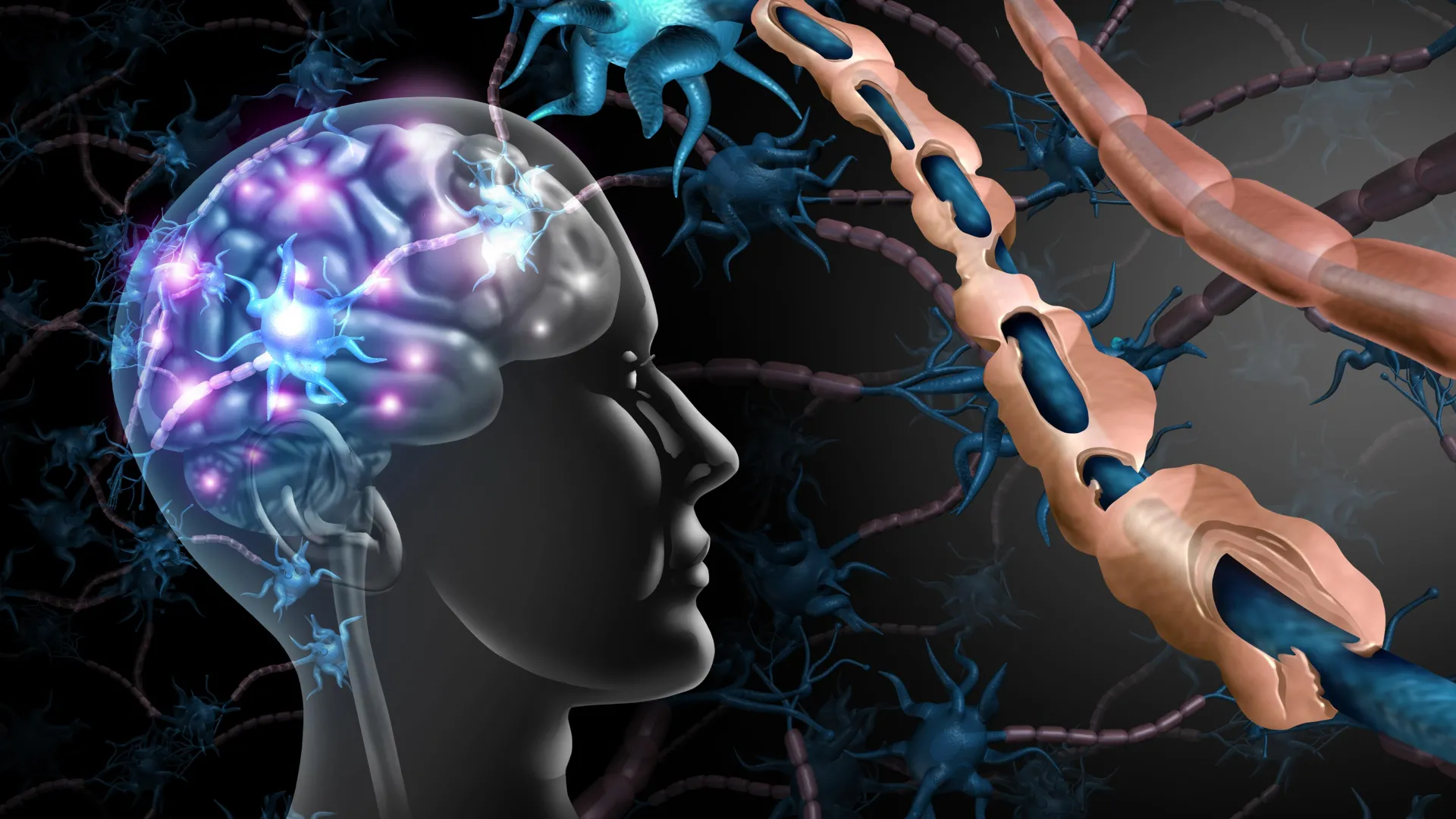
- Key Finding: Scientists identified a surprising cause of age-related cognitive decline involving oligodendrocytes, cells previously thought to be entirely beneficial. As these cells become dysfunctional, they produce abnormal amounts of myelin, disrupting nerve fibers.
- Why It Matters: This challenges the traditional view of myelin-producing cells in aging and suggests that correcting myelin dysregulation could be a target for treating cognitive decline.
Clinical & Translational Advances
Long COVID Linked to Dopamine Neuron Damage
Researchers have found evidence that long COVID may damage dopamine-releasing neurons in the brain. This damage potentially explains persistent symptoms such as fatigue, low motivation, slowed movement, and memory difficulties. The discovery opens the door to new treatments targeting the brain's dopamine system to alleviate long COVID symptoms.
2026 Outstanding Achievement Prizewinners
The Brain & Behavior Research Foundation announced its 2026 Outstanding Achievement Prizewinners, recognizing five leading scientists for groundbreaking research. The awards cover critical areas including schizophrenia, mood disorders, child and adolescent mental health, and cognitive neuroscience, highlighting ongoing progress in clinical neurosciences.
Brain Science Deep Dive
The recent work by OpenAI, PerturbAI, and Scripps Research represents a paradigm shift in how neuroscience handles scale. By deploying thousands of AI agents to analyze data from millions of brain cells, the team moved beyond traditional statistical analysis of static datasets. The methodology involves distributed agents that can navigate complex biological spaces to find correlations and leads that are not immediately apparent to human researchers. This approach is novel because it treats biological data exploration as a massive, parallelizable computational problem rather than a linear one. It opens up questions about the limits of AI in identifying causal mechanisms in the brain and suggests that the future of neuroscience discovery may rely heavily on agentic AI systems capable of autonomous hypothesis generation in high-dimensional biological data.
Emerging Patterns & Themes
- Cellular Rejuvenation: The ability to reverse 60 years of aging in neural stem cells suggests a growing trend toward epigenetic reprogramming as a therapeutic strategy for age-related brain decline.
- AI as a Discovery Engine: The use of distributed AI agents for biological data analysis marks a transition from AI as a tool for analysis to AI as an active participant in the discovery process.
- Re-evaluating "Good" Cells: The finding that myelin-producing cells can drive cognitive decline when dysfunctional indicates a trend toward understanding the double-edged nature of cellular functions in the aging brain.
What to Watch Next
- Clinical Trials for Dopamine Therapies: Monitor for announcements of clinical trials targeting dopamine systems for Long COVID treatment, following the recent evidence of neuronal damage.
- AI Agent Scalability: Look for further publications detailing the specific architectures of the AI agents used by OpenAI and Scripps Research, and how they can be adapted for other complex biological systems.
- Prize-Winning Research: Keep an eye on the specific methodologies and published papers from the 2026 Brain & Behavior Research Foundation prizewinners, as their work in schizophrenia and mood disorders is likely to set the direction for the next year of clinical neuroscience.
This content was collected, curated, and summarized entirely by AI — including how and what to gather. It may contain inaccuracies. Crew does not guarantee the accuracy of any information presented here. Always verify facts on your own before acting on them. Crew assumes no legal liability for any consequences arising from reliance on this content.
Powered by
