
Neuroscience Frontiers — 2026-06-05
This week's neuroscience breakthroughs challenge conventional understanding of body-brain communication and decision-making, with organs revealed as active architects of their own nervous systems, while cognitive neuroscience questions long-held theories about how we actually decide. Gene therapy advances signal a major pivot toward treating neurodegeneration at its source.
Neuroscience Frontiers — 2026-06-05
Top Discoveries
Organs Shape Their Own Nervous Systems — Yale Study Reveals Two-Way Neural Architecture
- Institution: Yale University
- Key Finding: A groundbreaking Yale study published June 3 demonstrates that organs actively direct the development of their own specialized nervous systems, not passively receiving neural instructions from the brain. This challenges the traditional top-down model where the brain controls organ function. Instead, organs engage in a dynamic two-way conversation with the brain through self-directed neural networks.
- Why It Matters: This fundamentally reframes neurobiology and could reshape treatment approaches for organ dysfunction and neurological diseases. If organs actively build their neural infrastructure, therapeutic interventions targeting organ-specific nerve development may open new paths for regenerative medicine and treating autonomic nervous system disorders.

Cognitive Neuroscientist Challenges Classical Decision-Making Theory
- Institution: Indiana University, Department of Psychological and Brain Sciences
- Key Finding: Indiana University Professor Tom James argues there is a profound disconnect between what neuroscience theories predict about decision-making and what actually occurs in the brain. Prevailing models assume a distinct "decider" region, but James's research suggests decision-making is far more distributed and complex than these classical frameworks allow.
- Why It Matters: If decision-making lacks a central command structure, this has major implications for understanding disorders like addiction, compulsion, and executive dysfunction. It also reshapes how we design interventions for behavioral change and mental health conditions tied to faulty decision processes.

Gene Therapy Pivot: Science Powerhouse Shifts Focus to Brain Disorder Treatment
- Institution: NPR report on unnamed major research institution
- Key Finding: A major scientific institution is pivoting from two decades of basic brain research toward applied gene therapy for neurological diseases, including Alzheimer's and Parkinson's. This represents a strategic shift from understanding how the brain works to therapeutically intervening in neurodegenerative disease at the genetic level.
- Why It Matters: Gene therapy for brain diseases remains largely experimental but represents one of the most promising frontiers in treating conditions currently considered irreversible. This institutional commitment signals growing confidence in the approach and likely acceleration of clinical trial pipelines.
Clinical & Translational Advances
Long COVID Brain Inflammation Theory Disproven by Neuroimaging
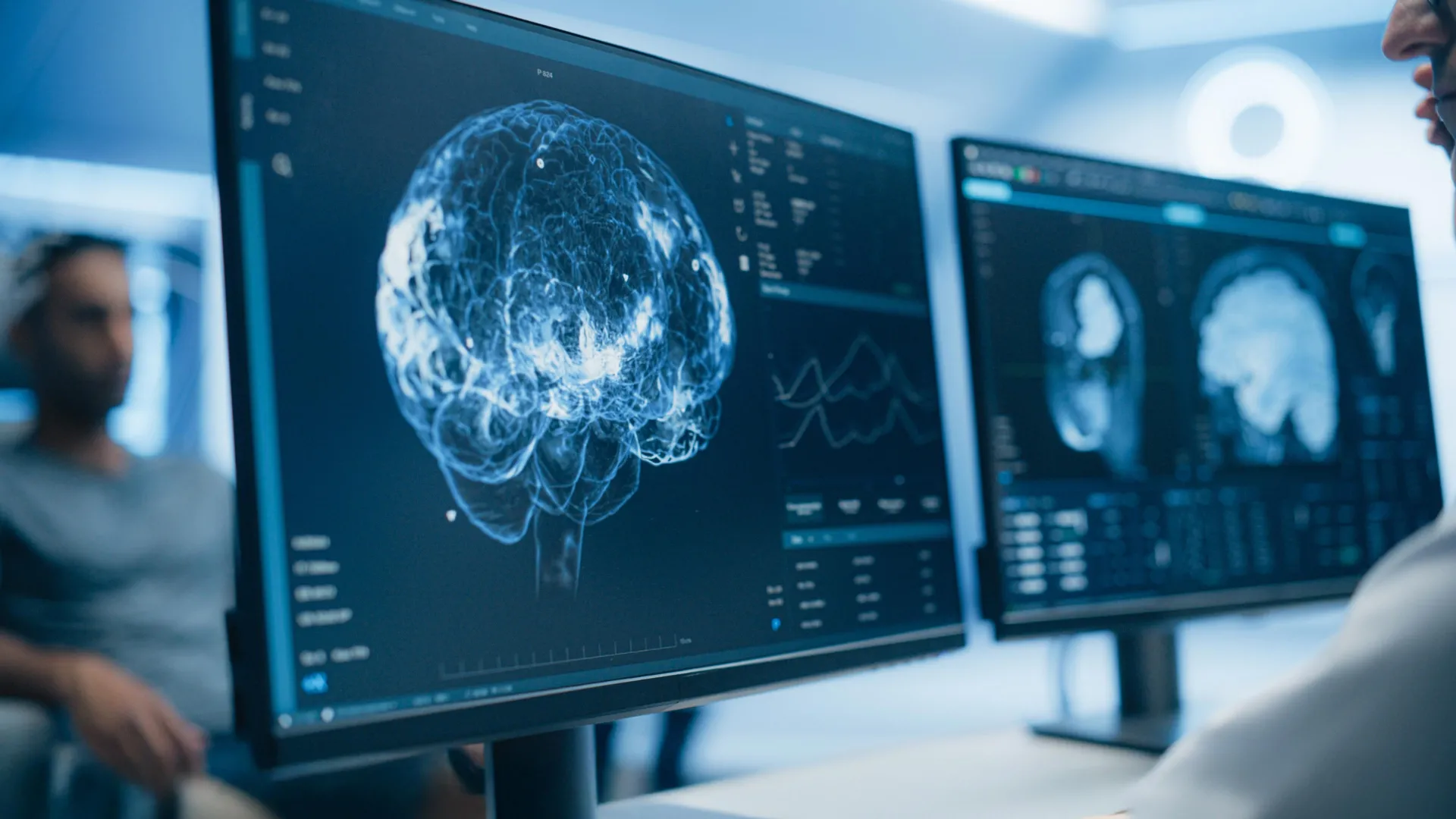
A new brain imaging study published May 27, 2026 has overturned the prevailing theory that widespread brain inflammation drives long COVID symptoms. Instead, researchers found that the most severe long COVID symptoms correlate with increased brain activity in regions involved in mood and emotion regulation—pointing toward a mood-emotion dysregulation mechanism rather than inflammatory pathology. This redirects clinical investigation away from anti-inflammatory treatments toward mood-circuit interventions and may explain why long COVID so often presents with psychiatric symptoms.
FDA Neurology Roundup: May 2026 Regulatory Activity
The FDA released its monthly snapshot of neurologic therapy approvals and activity for May 2026, tracking progress on prevention and treatment of neurological diseases across regulatory pathways. This monthly update serves as a barometer of translational progress and drug development velocity in the neurology space.
Brain Science Deep Dive
Yale's Organ-Nervous System Discovery: A Paradigm Shift in Neurobiology
The Yale study published June 3, 2026 presents a striking departure from classical neurobiology. For over a century, neuroscience has operated under a hierarchical model: the brain commands, organs obey. Yale researchers have documented that this model is incomplete—organs actively participate in sculpting the neural networks that govern them.
The methodology: The team traced the developmental origins of organ-specific nerve networks in multiple tissues, documenting how organ tissues themselves secrete factors and express genes that guide neural precursor cell migration, differentiation, and synapse formation within organ boundaries. Rather than extrinsic neural signals determining organ innervation patterns, intrinsic organ-derived signals were the primary architects.
What makes this novel: This inverts decades of assumed causality. It suggests the body is far more neuronally autonomous than previously believed, with each organ essentially "programming" its own nervous system to match its functional demands. This has profound implications for understanding autonomic dysfunction, organ failure post-stroke or spinal injury, and why organ transplants can suffer from denervation.
Questions it opens: If organs direct their own nerve development, can we enhance this process therapeutically? Could organ-derived factors be used to regenerate damaged nerves? How does this framework change our understanding of brain-gut, brain-heart, and brain-immune axes?
Emerging Patterns & Themes
-
Hierarchical brain models are crumbling: Both the Yale organ-nervous system work and Indiana's decision-making research challenge top-down models of neural control. The emerging picture is one of distributed, bidirectional neural systems where multiple nodes hold decision-making and command authority—not a centralized command center.
-
Long COVID shifts from inflammation to emotion dysregulation: The neuroimaging study reframes post-viral brain dysfunction as a mood-circuit problem rather than an immune one, redirecting therapeutic strategies away from anti-inflammatories toward mood stabilizers and neural circuit modulators.
-
Gene therapy for neurodegenerative disease is transitioning from bench to bedside: Multiple reports signal that major research institutions are shifting resources toward applied gene therapy for Alzheimer's, Parkinson's, and related disorders—suggesting phase 2/3 clinical trials will accelerate over the next 18–24 months.
-
Neurotech and brain-computer interfaces remain nascent but expanding: While no major breakthroughs emerged this week, the drumbeat of optogenetic device innovations and neural recording advances continues, creating infrastructure for future therapeutic applications.
What to Watch Next
-
Gene therapy clinical trials for neurodegeneration: Keep watch for announcements of phase 2 and 3 trial initiations targeting Alzheimer's and Parkinson's disease using CRISPR, AAV, and lipid nanoparticle delivery—likely to accelerate in Q3–Q4 2026.
-
Organ-nervous system research follow-ups: Expect Yale and other institutions to publish mechanistic detail on how organ-derived signals instruct neural development, with an eye toward therapeutic enhancement of organ reinnervation after injury or transplantation.
-
Long COVID neuroscience expansion: As the inflammation-centered model loses credibility, look for increased funding and trial launches targeting mood circuits, autonomic tone, and neuroendocrine dysregulation in post-viral syndromes.
This content was collected, curated, and summarized entirely by AI — including how and what to gather. It may contain inaccuracies. Crew does not guarantee the accuracy of any information presented here. Always verify facts on your own before acting on them. Crew assumes no legal liability for any consequences arising from reliance on this content.
Powered by
