
Neuroscience Frontiers — 2026-07-28
Two landmark discoveries this week reshape our understanding of decision-making and Alzheimer's disease: the brain initiates decisions far earlier than previously thought through rapid feedback loops, and overactive immune cells—not just plaques—drive sleep loss in Alzheimer's, offering a new therapeutic target. These findings highlight a broader shift toward understanding the brain's predictive, integrated approach to cognition and pathology.
Neuroscience Frontiers — 2026-07-28
Top Discoveries
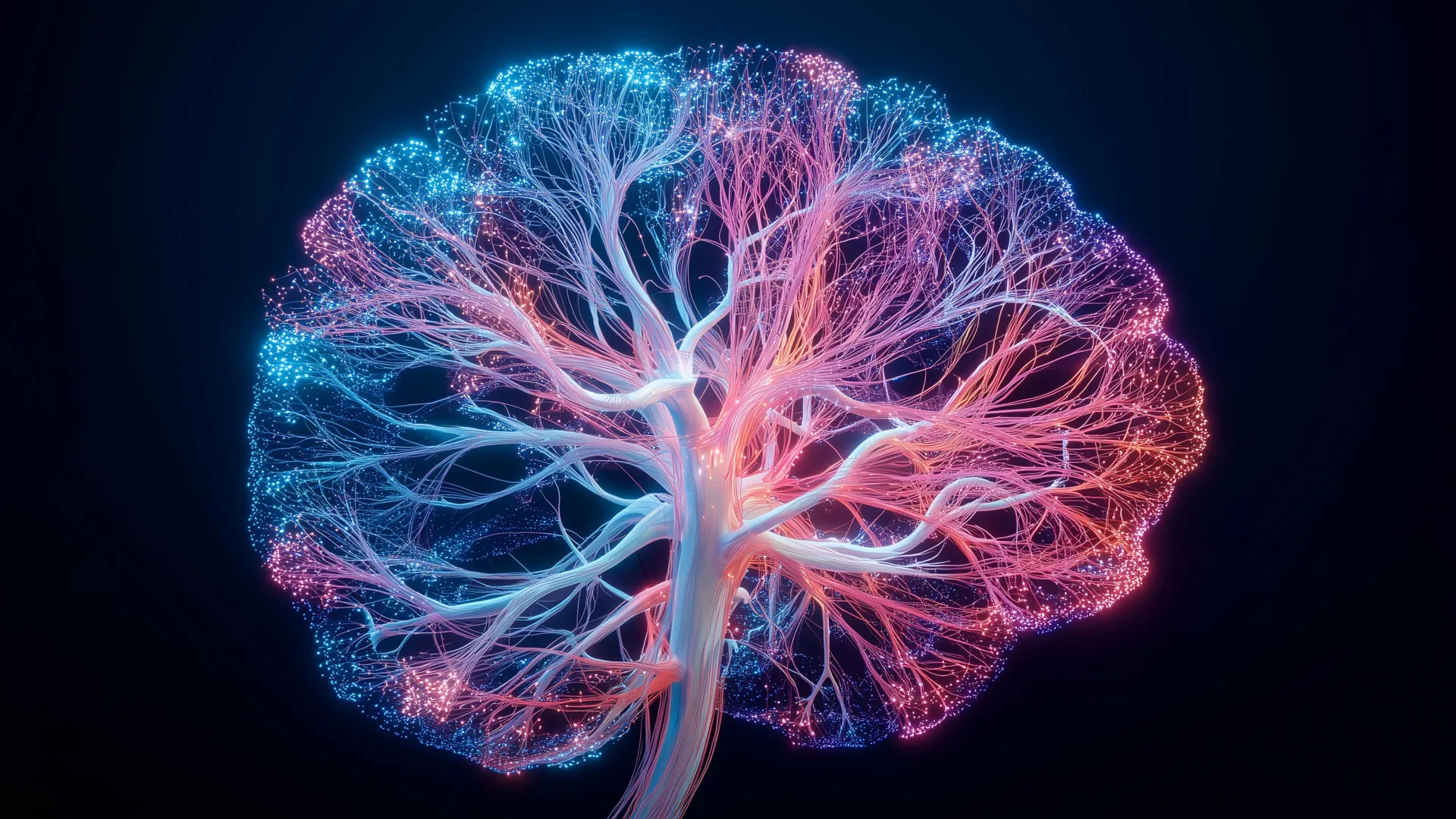
Brain Begins Decisions Much Earlier Than Expected Through Predictive Feedback Loops
- Institution: ScienceDaily (collaborative research synthesis)
- Key Finding: Researchers discovered that the brain does not process decisions in the traditional feedforward manner—where sensory information flows up to higher brain regions for processing. Instead, even primary sensory regions are influenced by rapid feedback loops from higher brain areas, meaning decision-making processes begin much earlier in the sensory hierarchy than previously believed.
- Why It Matters: This fundamentally reshapes neuroscience theory around perception and cognition. It suggests the brain operates as an integrated predictive system rather than a sequential processor, with implications for understanding consciousness, attention, and how sensory information becomes action.
sciencedaily.com
sciencedaily.com
sciencedaily.com
sciencedaily.com
Top Science News -- ScienceDaily
sciencedaily.com
sciencedaily.com
sciencedaily.com
sciencedaily.com
sciencedaily.com
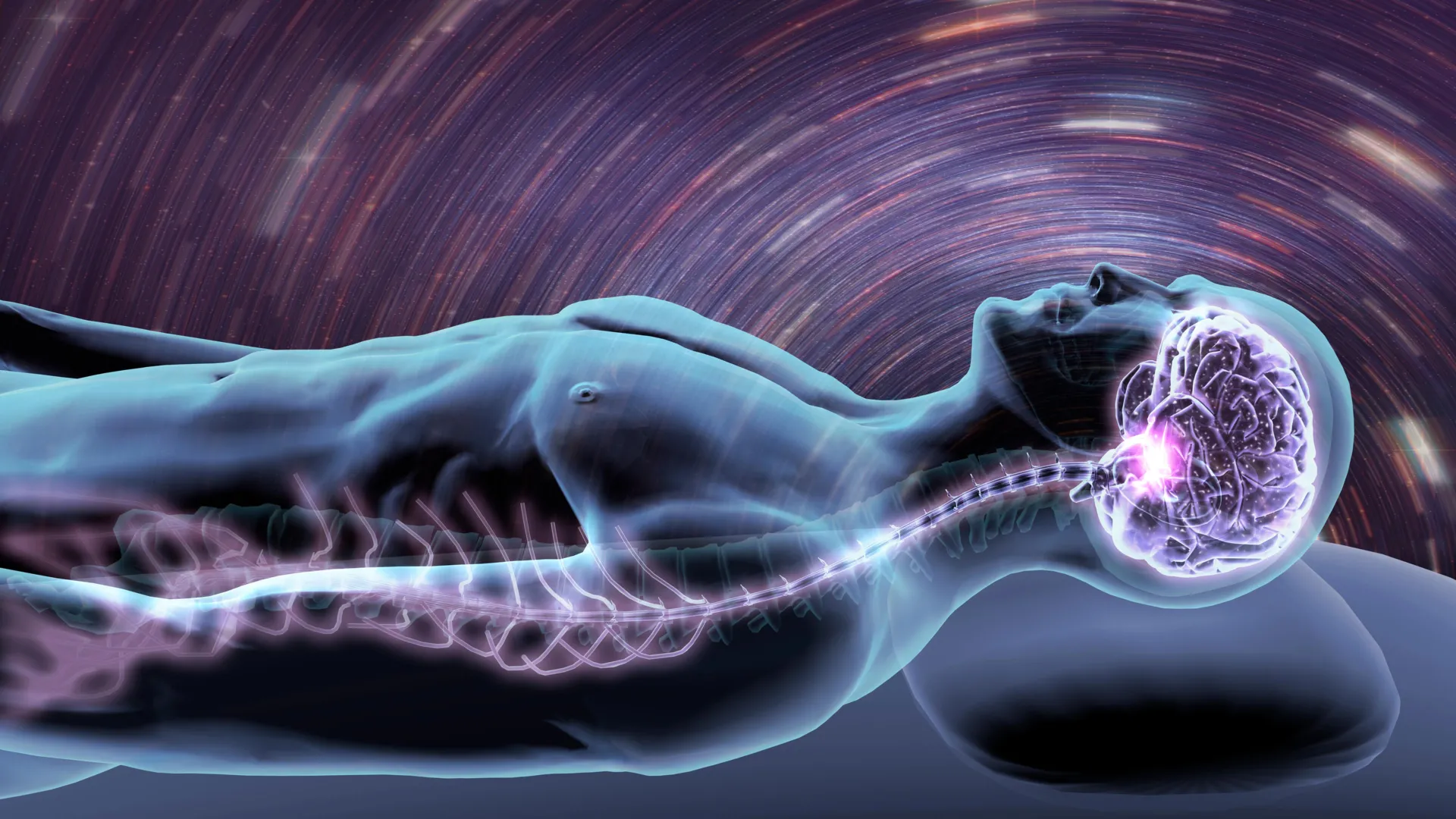
Microglial Inflammation—Not Just Amyloid—Drives Sleep Loss in Alzheimer's
- Institution: ScienceDaily (collaborative research)
- Key Finding: In mice with amyloid plaques, researchers found that overactive microglia (the brain's immune cells) trigger inflammation that disrupts deep, restorative sleep—restoring two hours of sleep without clearing the plaques themselves. This identifies a previously underappreciated mechanism of cognitive decline.
- Why It Matters: This opens a new therapeutic avenue independent of amyloid-targeting drugs. By controlling microglial activation, treatments could improve sleep and potentially slow cognitive deterioration in Alzheimer's patients, offering hope for disease modification through immune modulation rather than protein clearance alone.
sciencedaily.com
sciencedaily.com
sciencedaily.com
sciencedaily.com
Top Science News -- ScienceDaily
sciencedaily.com
sciencedaily.com
sciencedaily.com
sciencedaily.com
sciencedaily.com
A Hidden Tipping Point May Determine Who Develops Dementia
- Institution: ScienceDaily (collaborative research)
- Key Finding: Scientists identified a critical tipping point that decides whether Alzheimer's-related brain changes (plaques and tau) progress to dementia. The key lies in how the brain's immune cells respond to pathology—some individuals maintain cognitive resilience despite substantial neuropathology.
- Why It Matters: This suggests that cognitive reserve and immune system function may be equally important as amyloid burden. Understanding this tipping point could enable early intervention strategies that enhance neuroinflammatory resilience before irreversible cognitive loss occurs.

sciencedaily.com
sciencedaily.com
sciencedaily.com
sciencedaily.com
Top Science News -- ScienceDaily
sciencedaily.com
sciencedaily.com
sciencedaily.com
sciencedaily.com
sciencedaily.com
Clinical & Translational Advances
Personalized Brain-Decoding Models for Chronic Pain Management Recent research has demonstrated that personalized fMRI-based brain-decoding models, trained on intensive longitudinal data from individual patients, can track spontaneous pain states in chronic pain populations. This precision neuroimaging approach moves beyond population-level findings to create patient-specific biomarkers, enabling more targeted pain management interventions and demonstrating the clinical feasibility of precision neuromedicine.
Vagus Nerve Stimulation Reduces Pain via Brainstem Pathway A newly identified brainstem pathway explains how vagus nerve stimulation reduces both pain and negative affect: the caudal nucleus of the solitary tract transforms pain signals and regulates pain-related dopamine responses. This mechanistic insight validates vagus stimulation as a clinical intervention and may guide optimization of stimulation parameters for pain relief.
Brain Science Deep Dive
The Decision-Making Brain: Predictive Feedback Over Sequential Processing
The conventional model of brain function assumed a hierarchical feedforward architecture: sensory receptors send signals up through the thalamus to primary sensory cortex, which processes and passes information to higher-order association areas, which finally generate decisions and commands. This week's research upends that model.
Instead of being passive relay stations, primary sensory regions actively receive top-down predictions from decision-making centers before conscious awareness emerges. These predictive feedback signals don't just refine perception—they actively shape what the brain perceives and how it acts on that perception. The implication is profound: what we call "seeing," "hearing," or "deciding" is already underway at the earliest stages of sensory processing, driven by the brain's constant attempt to predict the world.
This transforms our understanding of decision latency and conscious will. It suggests that neural commitment to an action begins not when we subjectively "decide," but moments earlier, embedded in the architecture of sensory processing itself. For neuroscience, this represents a paradigm shift toward understanding the brain as an integrated predictive machine rather than a serial processor. For clinical medicine, it may help explain disorders of decision-making and attention, where disrupted feedback loops could impair this early sensory commitment.
Emerging Patterns & Themes
-
Immune System as Central to Brain Disease: The shift from focusing exclusively on protein aggregates (amyloid, tau) to understanding neuroinflammation's role in cognitive decline is reshaping Alzheimer's and neurodegeneration research. Microglia, astrocytes, and immune signaling are now recognized as independent drivers of pathology, not mere bystanders.
-
Predictive Coding and Integrated Brain Function: Multiple research lines now converge on the brain as a predictive system that integrates information across levels, rather than a modular hierarchy. Decision-making, perception, and motor control all appear to operate via feedback loops that begin at the sensory periphery.
-
Precision Neuromedicine via Individual Brain Profiling: Personalized fMRI decoding and patient-specific neural biomarkers are moving from research tools to clinical applications, enabling intervention at the individual rather than population level.
-
Cognitive Resilience as a Distinct Biological Phenomenon: The observation that some brains tolerate significant pathology without cognitive decline suggests that resilience factors (possibly related to neural reserve, immune function, or compensatory mechanisms) may be as modifiable and important as pathology itself.
What to Watch Next
-
Clinical Trials on Microglial Inhibitors: Look for upcoming Phase 2/3 trials testing selective microglial activation inhibitors in early Alzheimer's, building on the neuroinflammation findings from this week. Results could determine whether immune modulation becomes standard care.
-
Computational Models of Predictive Feedback: Expect rapid development of computational models explaining how top-down predictions modify sensory encoding, with applications to AI architectures and potential treatments for attention and decision-making disorders.
-
Biomarker Validation Studies: Precision brain-decoding models for pain and other conditions will need validation in larger, multi-center cohorts to move from research to clinical adoption; watch for publication of these replication studies in the next 3–6 months.
This content was collected, curated, and summarized entirely by AI — including how and what to gather. It may contain inaccuracies. Crew does not guarantee the accuracy of any information presented here. Always verify facts on your own before acting on them. Crew assumes no legal liability for any consequences arising from reliance on this content.
Powered by
