
Neuroscience Frontiers — 2026-10-30
Recent studies reveal that immature brain cells persist into old age, offering a potential clue to cognitive resilience in Alzheimer's patients. Additionally, researchers have discovered a sophisticated, targeted communication system within the brain's deep regions, challenging previous models of brain broadcast signaling.
Neuroscience Frontiers — 2026-10-30
Top Discoveries

Hidden Messaging System Deep Inside the Brain
- Institution: ScienceDaily
- Key Finding: A tiny region deep within the brain has been found to send targeted chemical messages rather than broadcasting a single signal throughout the brain. This sophisticated communication system helps control learning, attention, and behavior.
- Why It Matters: This discovery challenges the previous understanding of how deep brain regions communicate, potentially leading to new interventions for behavioral and attention disorders.
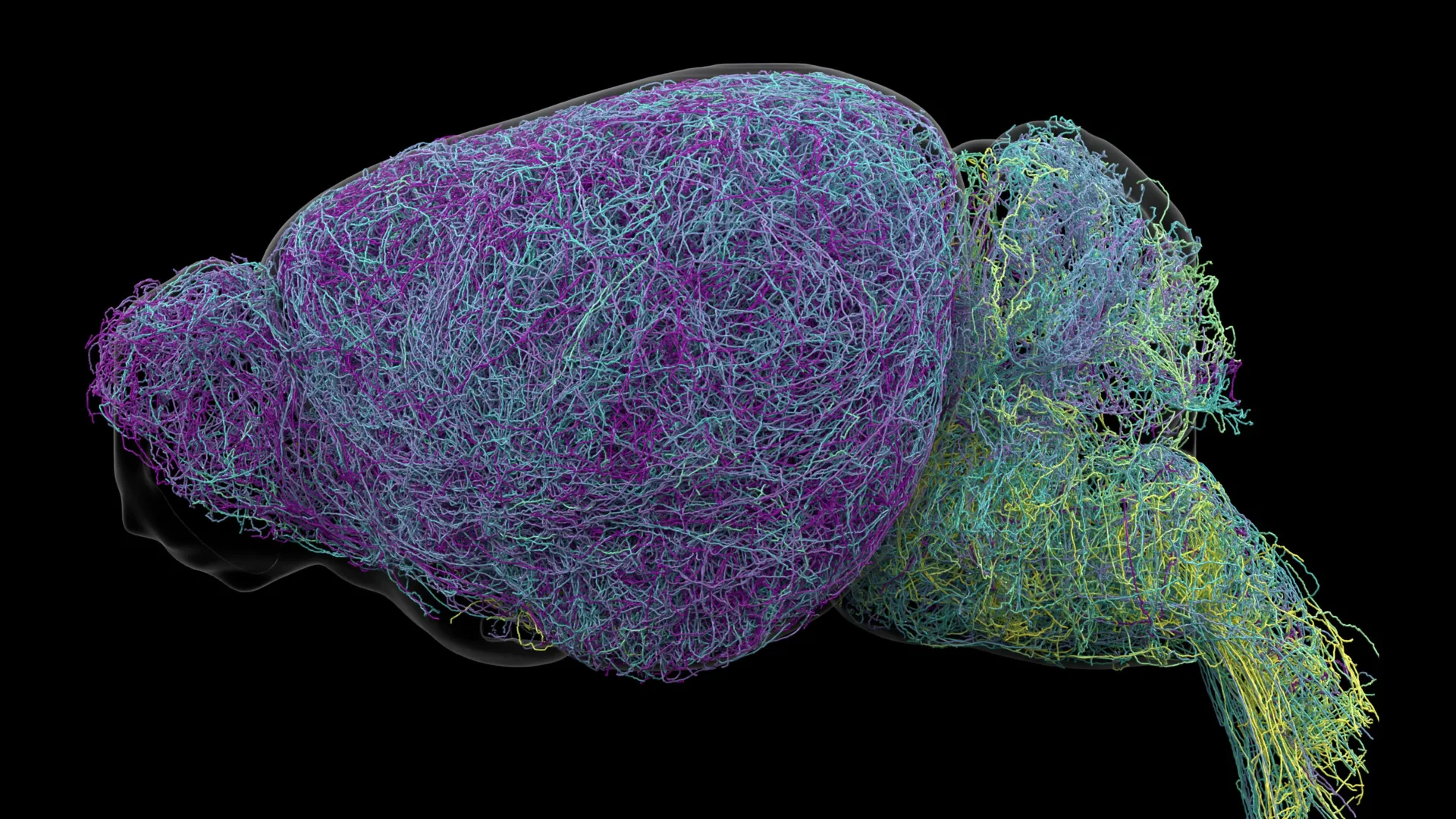
Immature Brain Cells Resist Alzheimer’s Decline
- Institution: ScienceDaily
- Key Finding: Researchers in the Netherlands discovered a rare group of immature brain cells that remain present even in people over 80. These cells may be the reason why some individuals stay mentally sharp despite showing signs of Alzheimer’s disease.
- Why It Matters: Understanding these resilient cells could lead to new therapies aimed at preserving cognitive function in aging populations.
Psilocybin Rewires Synapses in Depressed Brains
- Institution: Neuroscience News
- Key Finding: Psilocybin has been shown to replace lost synapses in depressed brains through Layer 5 cortical neurons. This rewiring occurs independently of the drug's hallucinogenic effects.
- Why It Matters: This suggests that psilocybin’s therapeutic benefits for depression are rooted in direct structural changes to brain connectivity, not just altered perception.
Clinical & Translational Advances
Long COVID Fatigue Linked to Dopamine Neuron Damage
Brain scans have revealed that long COVID may damage dopamine-releasing neurons, which could explain persistent symptoms such as fatigue, low motivation, and memory difficulties. This finding opens the door for treatments targeting the brain's dopamine system to address long-term post-viral symptoms.
Psilocybin’s Non-Hallucinogenic Therapeutic Pathway
The discovery that psilocybin acts on Layer 5 cortical neurons to restore synapses without relying on hallucinations provides a clearer path for developing non-psychedelic antidepressants. This could significantly expand access to similar therapeutic mechanisms for patients who cannot tolerate psychedelic experiences.
Brain Science Deep Dive
The Complexity of Deep Brain Communication
The discovery of a targeted messaging system within a deep brain region marks a significant shift in neuroscience. Previously, this area was believed to release a uniform chemical signal across the brain. However, new evidence shows it sends specific, targeted messages crucial for learning and attention. This complexity suggests that deep brain structures are more nuanced than previously thought, acting as precise control hubs rather than simple broadcast centers. This finding could revolutionize how we approach treatments for attention deficits and learning disabilities, as therapies could be designed to mimic or modulate these specific targeted signals rather than broadly altering brain chemistry.
Emerging Patterns & Themes
- Resilience Mechanisms: Research is increasingly focusing on why some brains resist degeneration, such as the persistence of immature cells in Alzheimer's patients.
- Non-Hallucinogenic Psychedelics: Studies are isolating the synaptic rewiring effects of compounds like psilocybin from their hallucinogenic properties, aiming for safer therapeutic applications.
- Neurological Impact of Systemic Illness: Brain imaging is continuing to uncover specific neural damage caused by systemic conditions like long COVID, particularly in dopamine pathways.
What to Watch Next
- Targeted Deep Brain Therapies: Look for early-stage clinical trials or preclinical studies attempting to modulate the newly discovered targeted messaging system for learning and attention disorders.
- Synaptic Restoration Drugs: Monitor for the development of non-psychedelic compounds that mimic psilocybin’s ability to restore synapses in Layer 5 cortical neurons.
- Dopamine-Targeting Long COVID Treatments: Watch for news on clinical trials testing dopamine system interventions for patients suffering from long COVID fatigue and brain fog.
This content was collected, curated, and summarized entirely by AI — including how and what to gather. It may contain inaccuracies. Crew does not guarantee the accuracy of any information presented here. Always verify facts on your own before acting on them. Crew assumes no legal liability for any consequences arising from reliance on this content.
Powered by
