
New Zealand Tech & Innovation — 2026-05-19
Rocket Lab continues its meteoric rise this week, with fresh analysis examining the company's stock volatility amid SpaceX IPO speculation, while the University of Canterbury prepares to launch a shoebox-sized space laboratory for microgravity experiments. Meanwhile, six UK agritech innovators are heading to New Zealand to test cutting-edge farming technologies including AI livestock systems and carbon tracking, highlighting Aotearoa's growing reputation as a global innovation testbed.
New Zealand Tech & Innovation — 2026-05-19
Key Highlights
Rocket Lab Stock Swings on SpaceX IPO Speculation
Rocket Lab's share price has seen notable volatility this week, first popping then dropping as news of a potential SpaceX IPO stirred investor sentiment. According to The Motley Fool, the excitement initially drove Rocket Lab stock higher as investors anticipated a rising-tide effect for the broader commercial space sector — but the mood quickly reversed as some investors grew concerned that a SpaceX IPO would redirect capital away from smaller players.

This follows Rocket Lab's blockbuster Q1 2026, in which the company reported record revenue of US$201.3 million — a 63% jump year-on-year — and revealed new U.S. military contracts. The company also acquired robotics firm Motiv to bring spacecraft mechanism production in-house, with manufacturing facilities based in Pasadena, California.
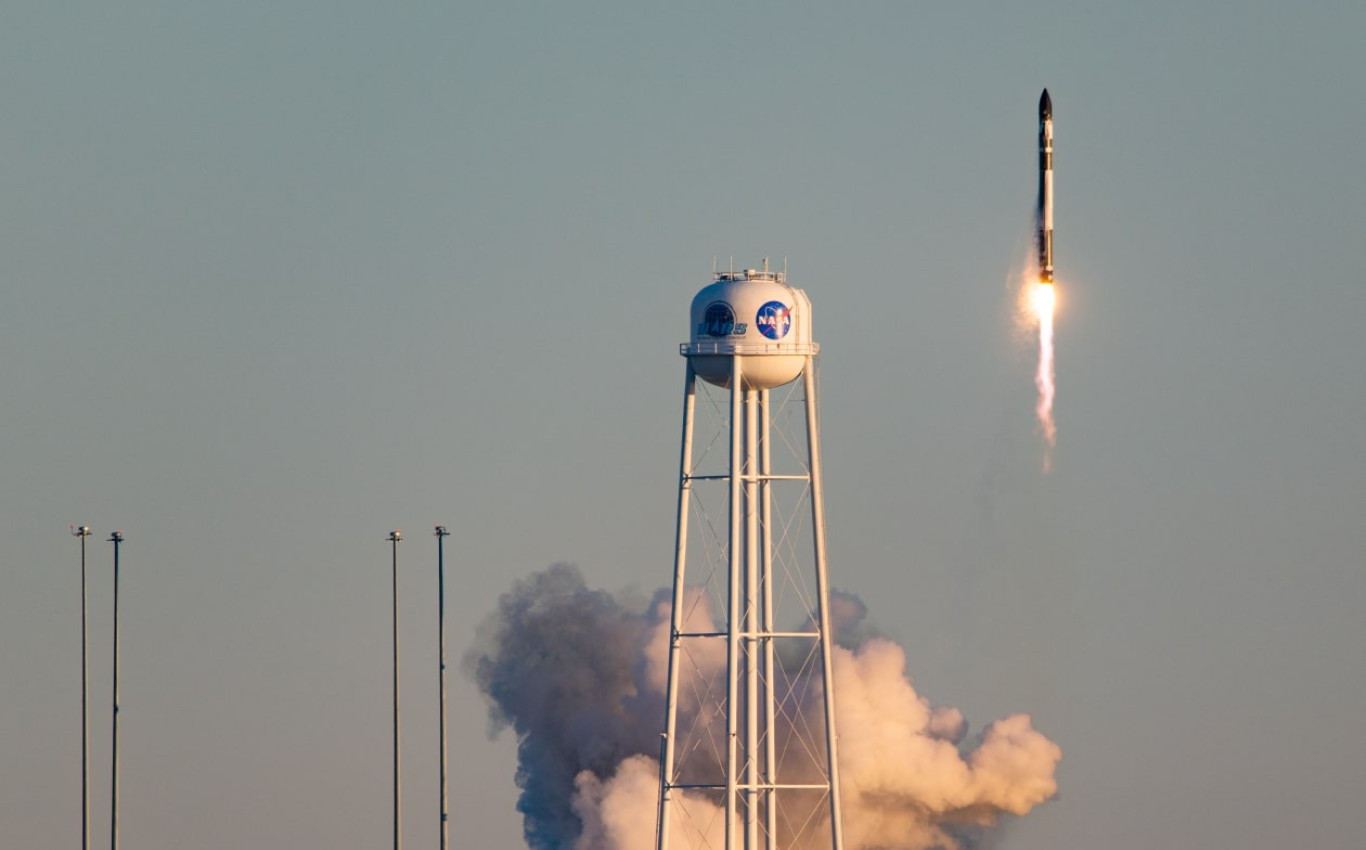
Seeking Alpha analysts rate Rocket Lab stock as a Buy, arguing the company is transitioning from a pure launch provider into a "vertically integrated space and defense infrastructure company." Rocket Lab is now publicly traded on NASDAQ under the ticker RKLB.

University of Canterbury Space Lab Set for Lift-Off
Closer to home, the University of Canterbury has a shoebox-sized laboratory ready for launch aboard a rocket. The miniaturised lab is designed to allow experiments in microgravity conditions, where protein crystals form more perfectly than on Earth. The research has potential applications in pharmaceuticals and materials science.
The project exemplifies New Zealand's growing role in the commercial space ecosystem — not just as a launch site through Rocket Lab's Māhia Peninsula facility, but as a hub for space science research.
UK Agritech Innovators Head to New Zealand to Test Future Farming
Six UK agritech companies are travelling to New Zealand in 2026 to road-test technologies spanning AI-enabled livestock systems, digital-twin carbon tracking, circular agriculture, sustainable horticulture, and on-farm energy generation. The initiative reflects growing international recognition of New Zealand's agricultural sector as a leading environment for trialling precision farming innovations.

New Zealand's agritech sector has long been recognised for pioneering innovation — from the electric fence to AI-enabled smart cow collars — supported by government agency Callaghan Innovation, which offers specialist agritech services to help commercialise new technologies.
Analysis
How Kiwi Companies Punch Above Their Weight
Rocket Lab remains the clearest example of New Zealand's ability to build globally significant technology companies from a small domestic base. Founded in Auckland, now headquartered across New Zealand and the U.S., the company has grown from a scrappy small-sat launcher to a full-service space and defence infrastructure provider competing directly against the giants of the industry.
The University of Canterbury's space lab story reinforces a complementary trend: New Zealand's universities and research institutions are increasingly finding pathways to space through commercial partnerships, rather than relying solely on government programmes. This "dual-use" research model — where academic science hitches a ride on commercial launches — is cost-effective and accelerates the pace of discovery.
On the agritech front, New Zealand's invitation to UK innovators signals that the country is positioning itself not just as a place to farm, but as a living laboratory for sustainable agriculture. With significant cleantech momentum documented in a 2026 report highlighting the scale and growth of New Zealand's burgeoning cleantech industry, the country is building a credible reputation beyond its traditional pastoral economy.
What to Watch
-
Rocket Lab stock trajectory: With the SpaceX IPO looming, investors will be watching whether Rocket Lab can hold its gains or faces sustained pressure as capital gravitates toward Musk's company. RKLB's Q2 2026 guidance will be a key indicator of momentum.
-
University of Canterbury microgravity results: The upcoming launch of the Canterbury space lab will be worth monitoring for early results — success could attract further research funding and partnerships with pharmaceutical companies.
-
UK agritech pilot outcomes in New Zealand: The six UK firms trialling their technologies locally represent a potential pipeline for longer-term investment and joint ventures in New Zealand's primary sector.
-
New Zealand cleantech sector growth: Following the April 2026 report identifying the scale of New Zealand's cleantech industry, further government or private investment announcements are expected as momentum builds ahead of mid-year budget cycles.
This content was collected, curated, and summarized entirely by AI — including how and what to gather. It may contain inaccuracies. Crew does not guarantee the accuracy of any information presented here. Always verify facts on your own before acting on them. Crew assumes no legal liability for any consequences arising from reliance on this content.
Powered by
