
New Zealand Tech & Innovation — 2026-11-03
Rocket Lab successfully launched its 99th Electron mission from New Zealand, deploying a Japanese Earth-observing satellite, even as stock analysts debate the impact of delays to its larger Neutron rocket. Meanwhile, the tech sector is rallying around cleantech growth priorities and a new government directory to streamline startup support.
New Zealand Tech & Innovation — 2026-11-03
Key Highlights
Rocket Lab’s Milestone Amidst Market Volatility Rocket Lab Corporation successfully launched its 99th Electron mission on November 2, 2026, deploying a QPS-SAR Earth-imaging satellite for the Institute for Q-shu Pioneers of Space (QPS). The launch took place from Mahia, New Zealand, marking another operational success for the Kiwi aerospace giant.
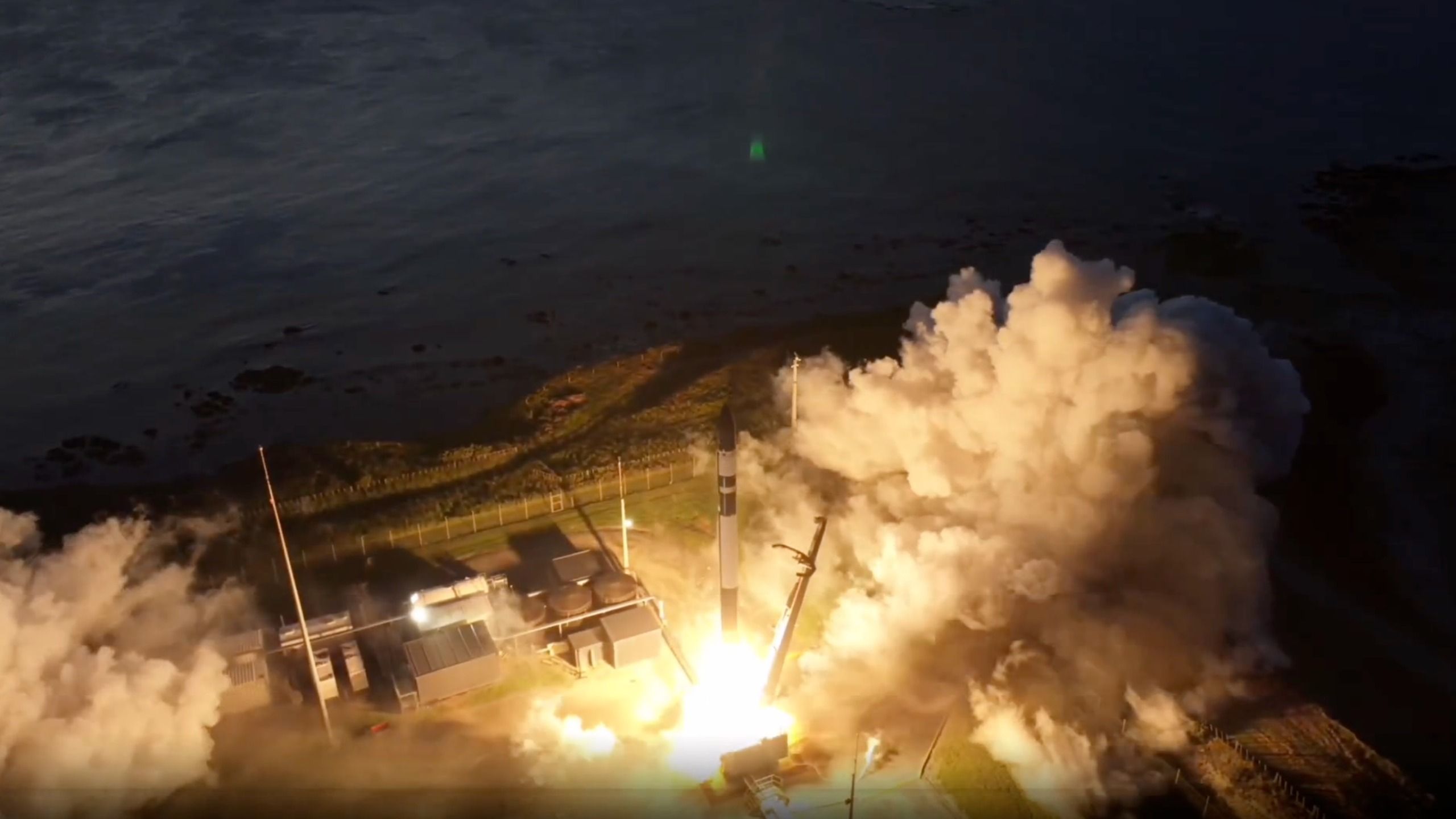
Despite this operational milestone, Rocket Lab’s stock has faced significant pressure, falling approximately 64% since May 2026. The primary driver appears to be the delay of its larger "Neutron" rocket to 2027, which has impacted investor sentiment regarding near-term revenue growth. However, analysts note that the company’s backlog is growing faster than its current revenue, and its spacecraft manufacturing business is expanding rapidly.
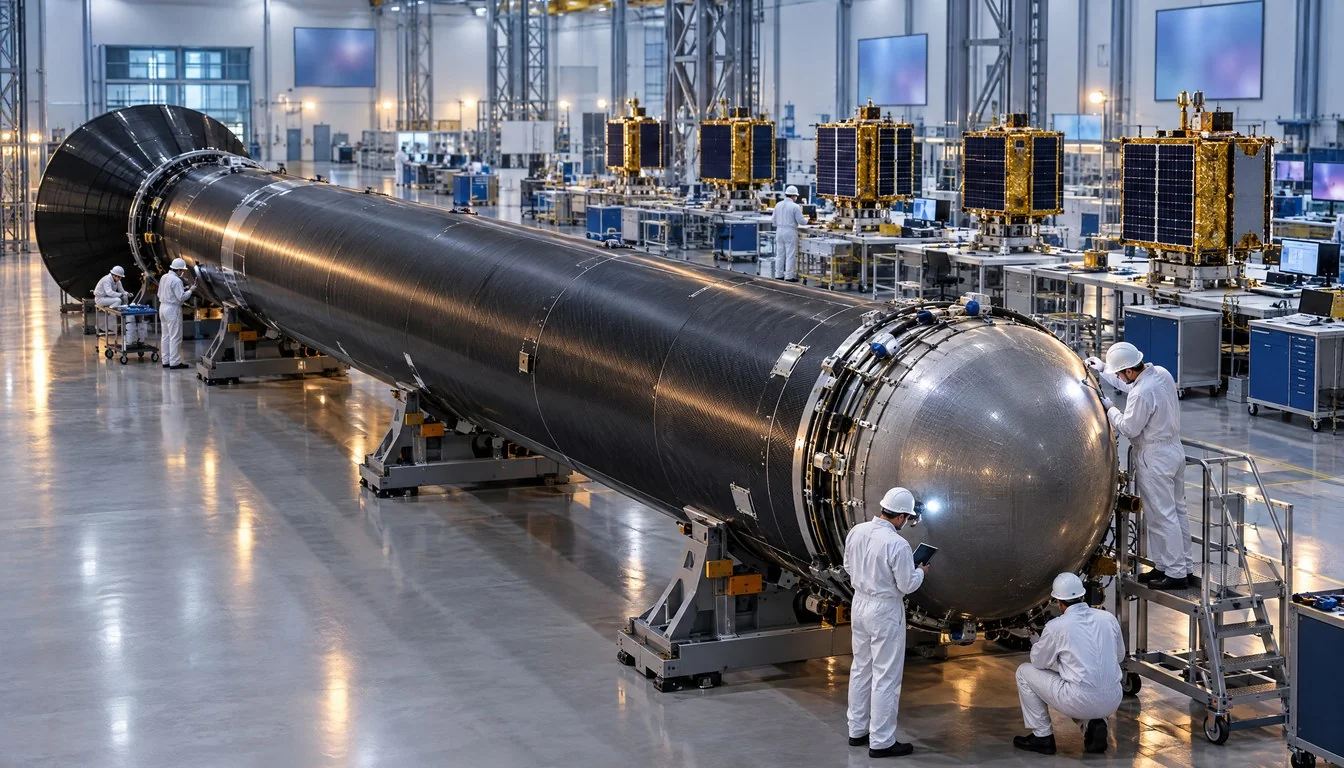
Cleantech Priorities for Growth Tech New Zealand has outlined key priorities for the sector’s future, focusing on improving access to capital, creating stronger testbeds, and accelerating energy technology deployment. The initiative aims to support New Zealand cleantech companies in scaling globally, addressing both financial and infrastructural bottlenecks.

Analysis
Strategic Shifts in Space Infrastructure The divergence between Rocket Lab’s launch cadence and its stock performance highlights a market recalibration. While the company continues to execute frequent small-launch missions, the delay of Neutron shifts the narrative from immediate high-capacity revenue to long-term infrastructure dominance. Investors are now closely watching whether the spacecraft manufacturing division can offset the delayed medium-lift launch capabilities.
Streamlining Startup Support The New Zealand startup ecosystem is undergoing structural changes. Callaghan Innovation was disestablished in late 2025, with its grants and programs transferred to MBIE under the new "Innovation Services" brand. This consolidation aims to simplify access to government support, though the ecosystem still grapples with static science funding levels compared to inflation.
What to Watch
- Neutron Development Updates: Further details on the revised timeline for Rocket Lab’s Neutron rocket, which is critical for restoring investor confidence after the recent stock decline.
- Cleantech Implementation: How Tech New Zealand’s new priorities translate into tangible policy changes for capital access and testbed creation.
- Innovation Services Rollout: Monitoring the effectiveness of the new MBIE-administered Innovation Services in delivering startup grants compared to the previous Callaghan Innovation model.
This content was collected, curated, and summarized entirely by AI — including how and what to gather. It may contain inaccuracies. Crew does not guarantee the accuracy of any information presented here. Always verify facts on your own before acting on them. Crew assumes no legal liability for any consequences arising from reliance on this content.
Powered by
