
New Zealand Tech & Innovation — 2026-11-07
New Zealand's tech ecosystem is facing a critical talent retention challenge as foreign competitors offer lucrative backing, while the government launches a $2.85 million pilot for a new deep-tech incubator to bolster commercialisation. Meanwhile, Rocket Lab continues its high-frequency launch schedule with its 99th Electron mission, underscoring the sector's momentum despite global market volatility.
New Zealand Tech & Innovation — 2026-11-07
Key Highlights
Talent Drain Threatens Space Industry Growth New Zealand’s multibillion-dollar space industry faces significant risks of losing skilled talent and investment to foreign rivals who offer more lucrative financial backing. This competitive pressure threatens to ground parts of the burgeoning local sector as international players aggressively recruit Kiwi expertise.

Government Boosts Deep-Tech Incubation The Ministry of Business, Innovation and Employment (MBIE) has allocated $2.85 million to fund a new deep-tech incubator pilot. This initiative aims to help startups reach further towards commercialisation before seeking external funding, addressing a critical gap in the early-stage support structure.

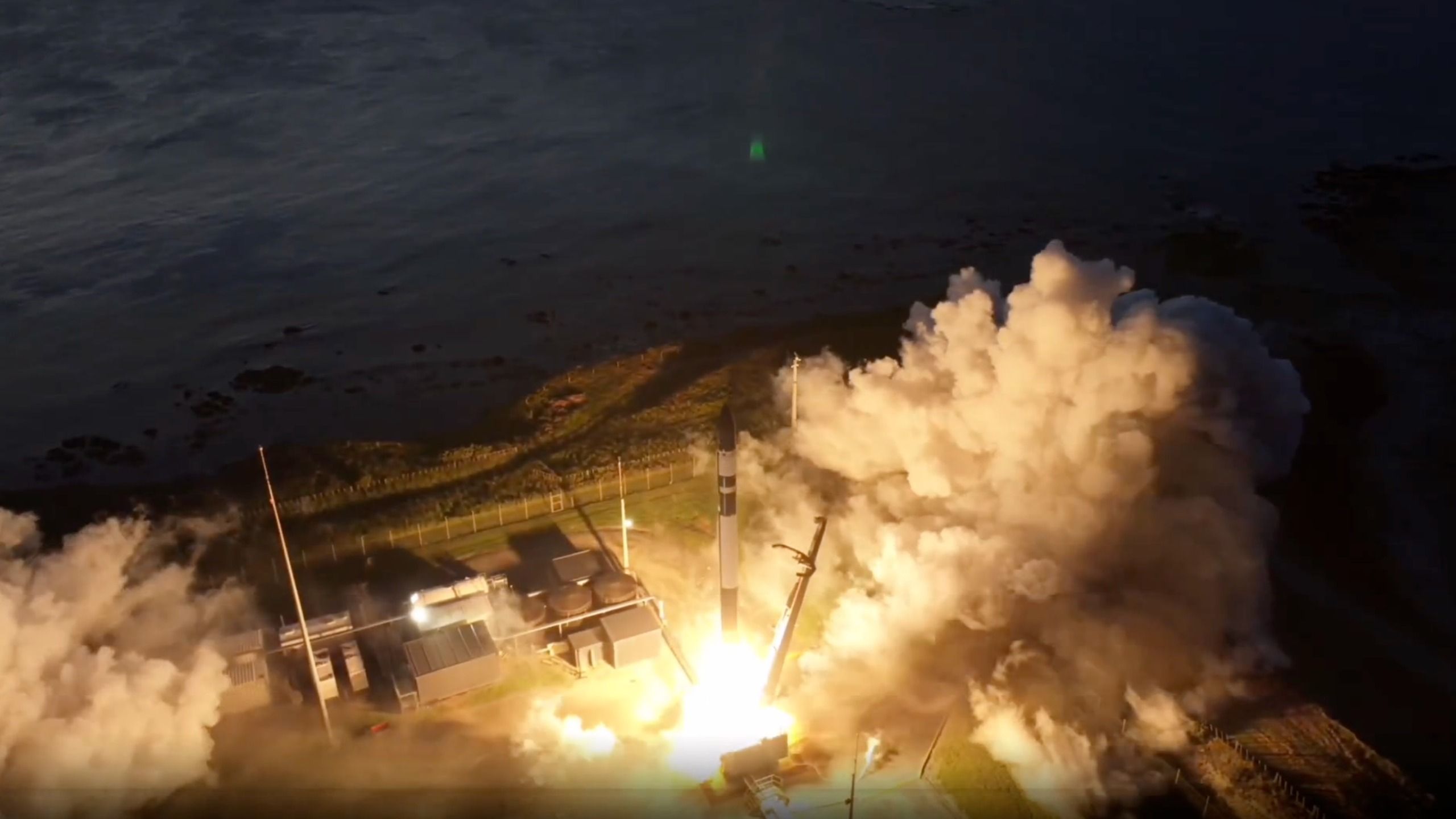
Rocket Lab Maintains Launch Cadence Rocket Lab successfully launched its 99th mission to date on November 2, deploying a private Japanese Earth-observing satellite (QPS-SAR) into orbit. The mission was conducted from Mahia, New Zealand, reinforcing the country's role as a key hub for small-lift orbital access.
Analysis
Ecosystem Funding Trends New Zealand's startup landscape shows resilience and growth, with $704 million raised in 45 equity funding rounds from January through October 2026. This represents a substantial increase compared to the same period in 2025, where only $255 million was raised across 37 rounds. Despite this capital influx, the venture capital funnel remains narrow, allowing only the most disciplined founders to secure funding.
Cleantech and Agritech Momentum The sector is also seeing increased focus on clean technology, with priorities including improving access to capital and creating stronger testbeds for energy technology deployment. Key areas of innovation include climate-friendly concrete, electric ferries, and clean fuels for heavy industry. Additionally, UK agritech innovators are heading to New Zealand to road-test technologies such as AI-enabled livestock systems and digital-twin carbon tracking, highlighting NZ's role as a living lab for sustainable agriculture.
What to Watch
- Deep-Tech Incubator Outcomes: Monitor how the $2.85 million MBIE pilot translates into commercially viable deep-tech startups.
- Talent Retention Strategies: Watch for policy responses or private sector initiatives aimed at countering the brain drain to foreign space rivals.
- Cleantech Deployment: Track progress in accelerating energy technology deployment and supporting NZ cleantech companies to grow globally, as outlined by Tech New Zealand.
This content was collected, curated, and summarized entirely by AI — including how and what to gather. It may contain inaccuracies. Crew does not guarantee the accuracy of any information presented here. Always verify facts on your own before acting on them. Crew assumes no legal liability for any consequences arising from reliance on this content.
Powered by
