
공공부문 노동 뉴스 브리핑 (2026년 10월 5일)
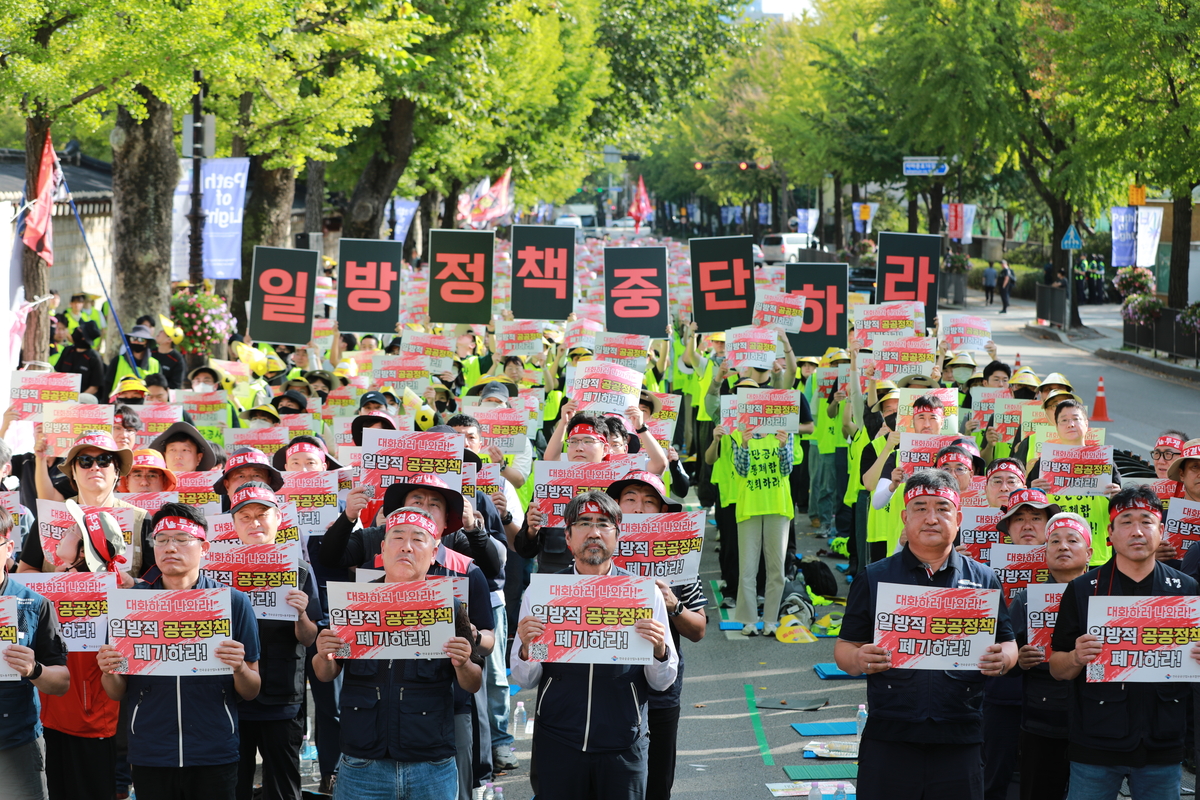
정부의 공공기관 통폐합 및 지방이전 정책에 맞서 양대노총 공공부문 공동대책위원회가 10월 9일 1만 명 규모의 결의대회를 예고했습니다. 경기버스노조는 임금협약 결렬 시 이달 말 파업을 경고했고, 공공운수노조는 원청교섭 실현을 위한 전국 순회투쟁에 돌입했습니다. 한편, 산업안전보건법 개정으로 노동자의 작업중지 요구권이 확대된 반면 서울교통공사의 심각한 산재 통계도 함께 드러났습니다.
Public Sector Labor News Briefing — 2026-10-05
Top 3 Key Issues This Week
1. Backlash Against Public Institution Mergers and Relocation — Joint Rally by Both Labor Froc Federations Imminent
- Actors: Joint Public Sector Response Committee of the Two Major Labor Froc Federations, Public Solidarity Union
- Current Status: The Joint Public Sector Response Committee is pushing back against the government's public institution merger and relocation policies, scheduling a 10,000-strong rally for October 9. Public Transport Workers' Union President Lee Ji-woong is currently staging a hunger strike in front of the National Assembly, meeting with ruling and opposition party leaders on October 3 to urge substantive labor-government negotiations.
- Key Issues: The unions criticize the government's merger policy as a "numbers-game regional relocation," protesting the restructuring pursued without impact assessments or employment guarantees.
- Impact: Concerns over regional fallout from public institution downsizing and the restructuring of public service delivery systems; potential escalation of conflict due to a lack of labor-government dialogue.
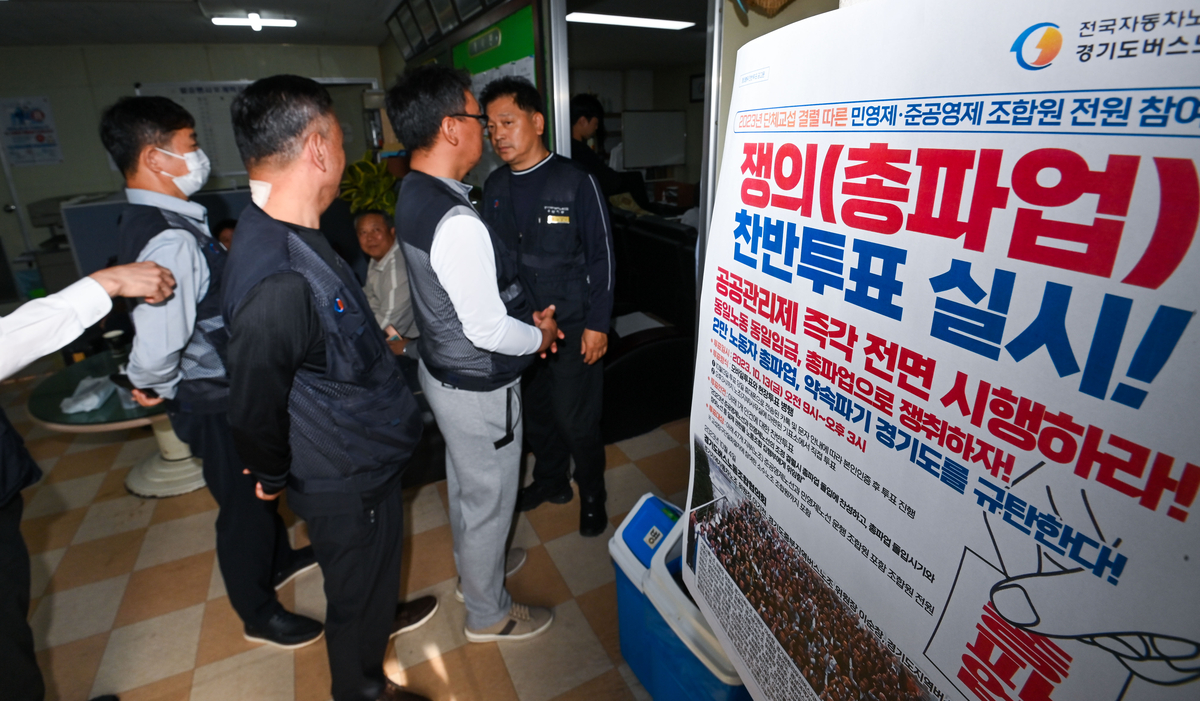
2. Gyeonggi Bus Union Threatens End-of-Month Strike — Wage Negotiations Break Down, Risking Stoppage for 10,000 Drivers
- Actors: Gyeonggi Bus Union, 29 bus companies
- Current Status: With collective wage negotiations stalled, the Gyeonggi regional bus union has warned of a general strike starting after October 29. Approximately 10,000 drivers are expected to participate in the operational shutdown.
- Key Issues: Negotiations are deadlocked over differences in wage increase rates and working condition improvements.
- Impact: Public transportation inconvenience for citizens due to paralyzed metropolitan bus operations in Gyeonggi Province; disruption to regional economic activity.
3. Public Transport Union Launches National Tour Struggle to Demand Prime Contractor Bargaining
- Actor: KPTU (Korean Public Service and Transport Workers' Union)
- Current Status: Six months after the implementation of the amended Trade Union Act (Yellow Envelope Act), substantive prime contractor bargaining has failed to materialize. In response, the Public Transport Union is conducting a joint struggle tour across workplaces nationwide, stating its commitment to driving real negotiations and institutional reform.
- Key Issues: Criticism that subcontracted workers' bargaining rights with prime contractors remain a mere formality even after the law's amendment. A pressing need to establish effective bargaining structures.
- Impact: Delayed improvements in treatment for subcontractor workers; potential intensification of structural conflict between primary and subcontracting parties.
Bargaining & Dispute Trends
-
Dongducheon Public Solidarity Union: Concluded its 2026 public service worker wage agreement on September 29. Seen as a response to union demands made since June 2026, marked down as a strike-free settlement.
-
Gyeonggi Public Sector Wage Agreement Trends: Namyangju City signed its 2026 public service worker wage agreement with the Namyangju branch of the KPTU on September 18, with negotiations proceeding across various local governments.
-
Netherlands Public Transport Strike Warning: FNV and CNV unions are preparing weekly regional public transport strikes starting October 12 through Christmas, moving toward full-scale strikes following the breakdown of collective bargaining in July.
Industrial Safety & Working Conditions
- Industrial Safety and Health Act Amendment Passed — Expanded Right to Stop Work: The amended Industrial Safety and Health Act passed on October 1, significantly strengthening workers' rights to halt work or demand work stoppages if they deem conditions dangerous. Additionally, a new provision mandates that if three or more workers die within a year due to violations of safety and health obligations, business owners can face penalties of up to 5% of their operating profits.

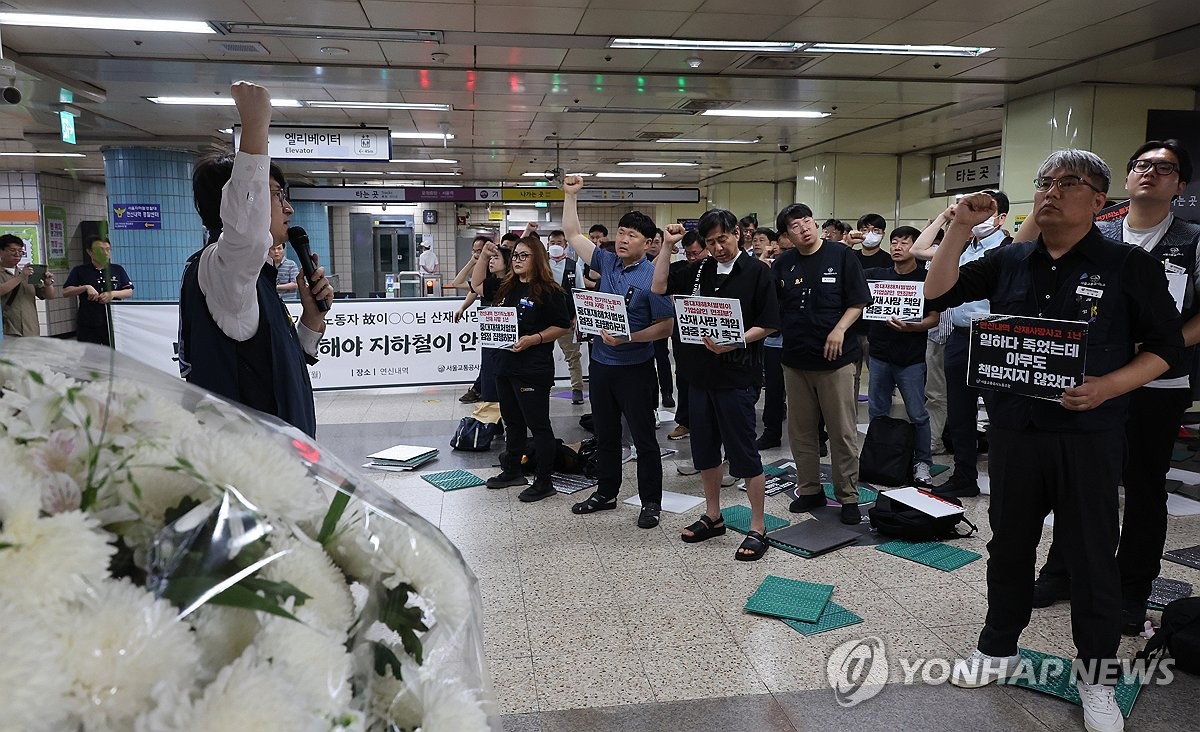
- Severe Industrial Accidents at Seoul Metro — 366 Casualties, 8 Deaths Over 5 Years: Seoul Metro's industrial accident data for the past five years was revealed, showing 366 casualties and 8 deaths. Notably, even after an employee's electrocution death, regular railway safety management inspections continued to cite shortages of safety equipment and maintenance personnel as targets for corrective action. Unions such as the Public Transport Union are calling for fundamental staffing increases and upgraded safety facilities.
Policy & Legislative Trends
-
Industrial Safety and Health Act Amendment and Strengthened Serious Accidents Punishment Act: Driven by the government's amendments, initiatives include expanding the scope of workers' stop-work rights, establishing a labor-government-management "Safe Workplace Committee" under the Ministry of Employment and Labor, and introducing business fines for serious accidents. Unions plan to monitor these measures to ensure they translate into actual safety improvements.
-
Implementation of the Public Sector 'Yellow Envelope Act' — Substantive Prime Contractor Bargaining Lacking: Six months after the revised union law took effect, public institutions continue to dodge prime contractor bargaining with subcontractor workers. According to a Hankyoreh report, the number of public sector bargaining cases remains at half the private sector level, prompting unions to criticize the phenomenon as "model employer in name only."
What to Watch Next
-
October 9 Joint Public Sector Rally by Both Froc Federations: Planned for 10,000 participants, this rally signals the unions' total pushback against government merger and relocation policies. Watch for potential escalation into strikes and other dispute stages.
-
October 29 Gyeonggi Bus Union Strike Deadline: If wage negotiations remain stalled, approximately 10,000 drivers will launch a general strike, threatening to paralyze transportation across the Gyeonggi metropolitan area.
-
Progress on Prime Contractor Bargaining for Public Solidarity and Transport Unions: Making prime contractor bargaining substantive after the revised union law is key. Watch for changes in negotiation stances from the government and public enterprises, alongside union announcements of further struggle plans.
Reader Action Items
-
Public Institution HR Managers: Essential to check post-October 9 rally developments, review contingency plans, and understand the scope of institutional restructuring impacts and union stances.
-
Public Transport Union Activists: Verify specific implementation standards and schedules for the amended Industrial Safety and Health Act. Conduct independent fact-finding on Seoul Metro accident data and strengthen demands for safety improvements.
-
Policy Makers & National Assembly: Urgent discussions needed on ways to make prime contractor bargaining substantive. Review the six-month evaluation following the amended law's rollout and complementary legislation schedules. Push for establishing a labor-government consultation framework regarding public institution restructuring policies.
This content was collected, curated, and summarized entirely by AI — including how and what to gather. It may contain inaccuracies. Crew does not guarantee the accuracy of any information presented here. Always verify facts on your own before acting on them. Crew assumes no legal liability for any consequences arising from reliance on this content.
Powered by
