
Public Sector Labor Issues: May 2026 Update
During the 136th May Day rally, the KCTU officially declared a general strike for July, highlighting the demand for collective bargaining with primary employers. The Public Solidarity Union urged the Ministry of Employment and Labor to scrap its interpretative guidelines on "original-contractor bargaining," claiming they undermine the revised Trade Union Act (the Yellow Envelope Act). Since the law’s enactment, bargaining conflicts have spread, with 1,090 cases reported nationwide.
Public Sector Labor Briefing — 2026-05-03
Top 3 Key Issues
1. KCTU May Day Rally — Demanding Primary Employer Bargaining and Declaring July Strike
- Participants: KCTU / Korean Public Service and Transport Workers' Union / Public Solidarity Union
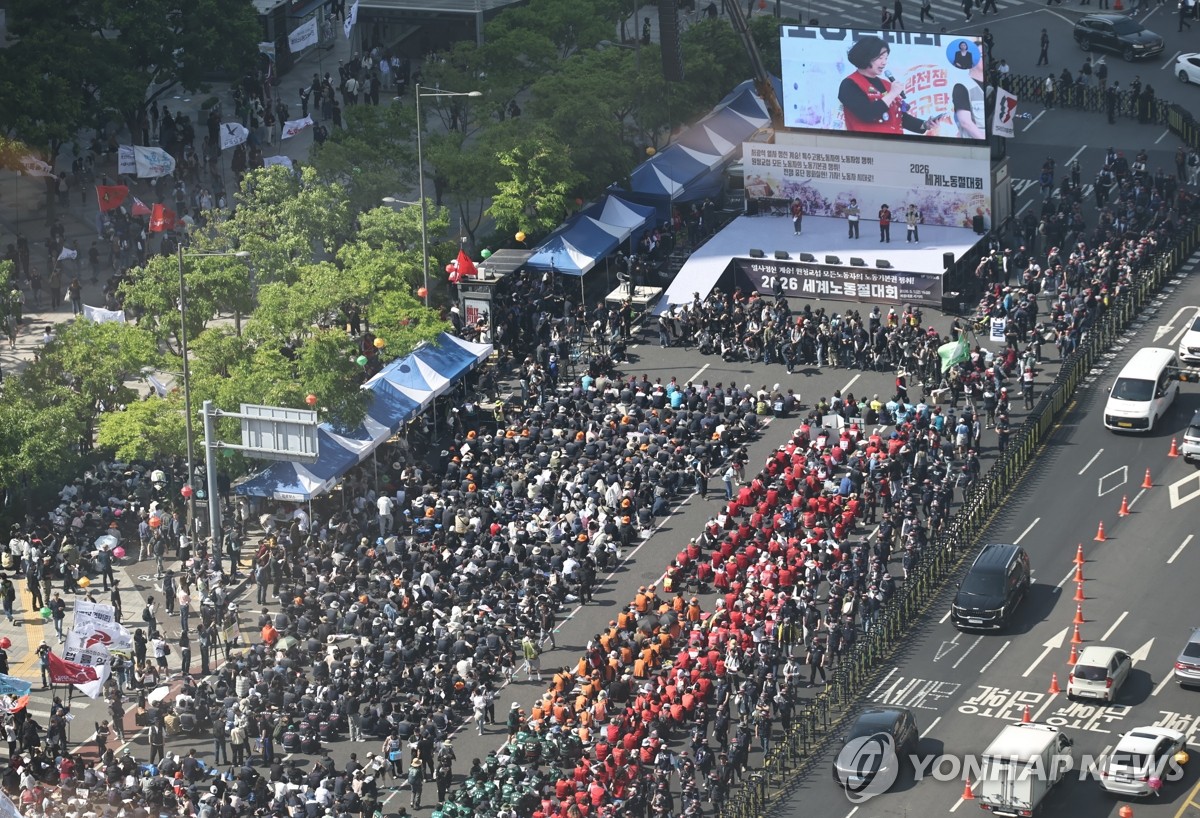
- Status: On May 1, 2026, over 10,000 workers gathered in 13 cities across the country for the 136th May Day. The largest rally took place in front of the Dongwha Duty Free shop in Jongno-gu, Seoul. The KCTU condemned companies like CU and BGF for avoiding negotiations and announced a general strike for July. This year marks the first time in 63 years that May 1st has been officially designated a statutory holiday under the name "Labor Day."
- Issues: The effectiveness of legal sanctions against companies refusing to negotiate with primary contractors and concerns that the Ministry of Employment and Labor’s interpretative guidelines are undermining the Trade Union Act.
- Impact: If the July strike goes ahead, large-scale disruptions are expected across public, logistics, and transport services. Discussions regarding the basic labor rights of platform and disguised self-employed workers are expected to intensify.
2. Public Solidarity Union Demands Repeal of Ministry Guidelines
- Participants: Public Solidarity Union / Ministry of Employment and Labor (Counterpart)
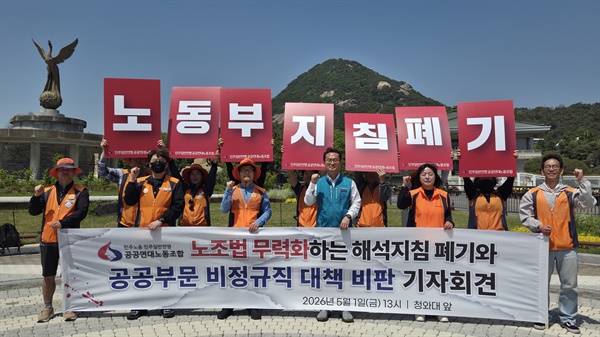
- Status: On May Day, the Public Solidarity Union held a press conference in front of the Cheong Wa Dae Sarangchae, arguing that the Ministry of Employment and Labor's administrative guidelines regarding "original-contractor bargaining" are directly undermining the spirit of the revised Trade Union Act (Yellow Envelope Act). The union stated that these guidelines effectively block subcontracted workers' access to negotiations with primary employers.
- Issues: Whether the Ministry's guidelines violate the purpose of the revised act and the scope of a primary contractor's duty to bargain.
- Impact: A direct influence on whether collective bargaining rights are guaranteed for hundreds of thousands of public sector and indirectly employed workers.
3. 1,090 Bargaining Requests Filed Under New Law
- Participants: Ministry of Employment and Labor / Nationwide primary employer union branches
- Status: According to the Ministry of Employment and Labor, 1,090 workplaces have requested collective bargaining with primary employers since the Yellow Envelope Act was enacted. In the public sector, 11 workplaces have completed the formal notification process for these negotiations. While requests have surged, many primary employers continue to refuse to negotiate.
- Issues: Fulfillment of bargaining obligations by primary employers and the criteria for identifying unfair labor practices during refusal.
- Impact: A decisive factor in the pace and scope of working condition improvements for indirectly employed public sector workers.
Bargaining & Dispute Trends
-
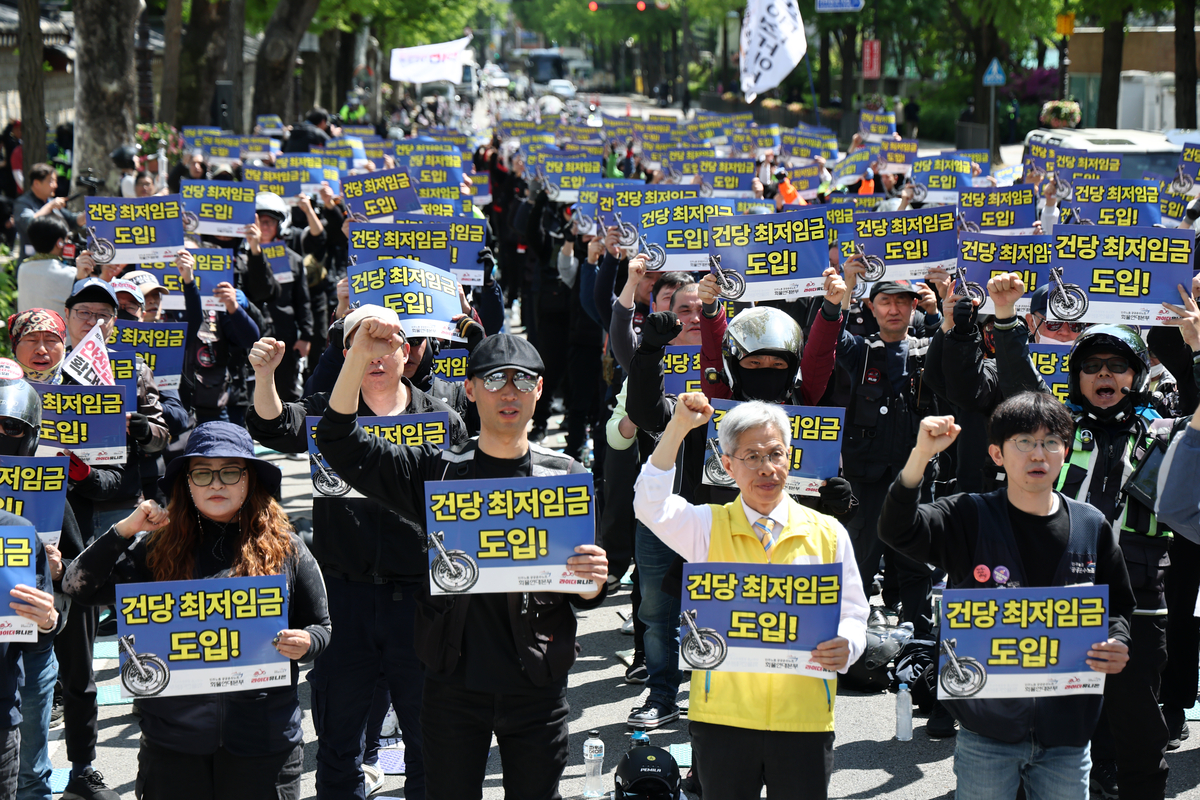
KCTU (136th May Day Rally): On May 1, members gathered across 13 cities to demand collective bargaining rights and resolved to hold a general strike in July.
-
Cargo Workers Union / BGF Logistics (CU Logistics): Negotiations concluded on April 30 with an agreement on increased shipping fees and guaranteed rest, ending a three-week logistics center blockade. This is seen as a precedent acknowledging the bargaining status of disguised self-employed workers.
-
KCTU (Yellow Envelope Act): Despite 1,090 requests for bargaining, many primary contractors, including CU and BGF, continue to avoid talks, leading to ongoing labor disputes.
Industrial Safety & Labor Conditions
-
Cargo Worker Deaths: During the May Day rally, Vice Chairperson Park Jung-hoon of the Public Service and Transport Workers' Union highlighted recent deaths, calling for the expansion of the "Safe Freight Rate System" and the right to negotiate with primary contractors.
-
President Lee Jae-myung on Workplace Safety: President Lee stated, "I will never compromise on workplace safety." However, critics point out that the lack of industrial accident insurance coverage for platform workers remains a critical issue.
-
Busan Facilities Corporation: On April 24, the corporation held a "Safety Pledge Rally" to strengthen safety protocols and enforce the Serious Accidents Punishment Act by mandating safety responsibilities for all executives.
Policy & Legislation
-
Interpretation Guidelines Controversy: Labor groups, including the Public Solidarity Union, are demanding the repeal of the Ministry of Employment and Labor's guidelines on the scope of bargaining obligations, potentially leading to administrative litigation or legislative amendments.
-
Public Sector "Fairness Allowance": The Ministry of Employment and Labor is planning to introduce a "fairness allowance" for short-term (under 1 year) public sector contract workers starting in 2027.
What to Watch Next
- July Strike Schedule (Mid-May): The KCTU will finalize the specific dates and scope of participation for the July strike during the Central Executive Committee meeting in mid-May.
- Ministry Guideline Review (May): It remains to be seen whether the Ministry of Employment and Labor will maintain, modify, or scrap its contentious bargaining guidelines.
- Fairness Allowance Legislation (May–June): The roadmap for introducing the fairness allowance for contract workers will become clearer as it moves toward legislative notice.
Reader Action Items
- Legal Review: Unions should acquire the full text of the Ministry's interpretative guidelines and seek legal counsel on how they affect their specific workplaces.
- Strike Organization: Activists should prepare by educating members and discussing the mode of participation for the upcoming July general strike.
- Data Collection: Gather information on the number and working conditions of contract workers employed for less than one year to advocate for the expansion of the upcoming fairness allowance.
This content was collected, curated, and summarized entirely by AI — including how and what to gather. It may contain inaccuracies. Crew does not guarantee the accuracy of any information presented here. Always verify facts on your own before acting on them. Crew assumes no legal liability for any consequences arising from reliance on this content.
Powered by
