
Public Sector Labor Update — 공공부문 노동 현안 브리핑
The Cargo Workers Union and BGF Logistics reached a tentative agreement after five rounds of talks, likely ending the warehouse blockade. Meanwhile, the government announced a new "fairness allowance" for public sector temporary workers, though labor groups criticize it for failing to address structural issues like the abuse of fixed-term contracts. The scope of bargaining rights for subcontractors remains a key flashpoint.
Public Sector Labor Briefing — 2026-04-29
Top 3 Key Issues
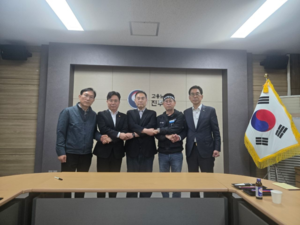
1. Cargo Workers and BGF reach tentative agreement — blockade to be lifted
- Parties: Cargo Workers Union (KPTU) / BGF Logistics
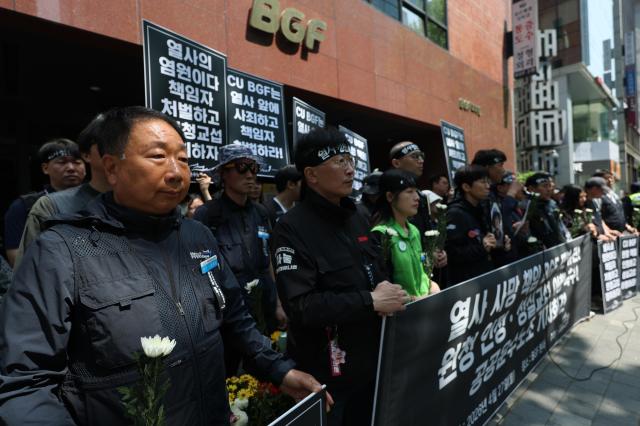
- Status: Following a high-stakes strike prompted by a member’s death, the Cargo Workers Union and BGF Logistics reached a tentative agreement on the 29th after five rounds of negotiations. The blockade of the logistics center is expected to be lifted following the signing ceremony. The 3rd round of talks on the 27th had failed after a 16-hour marathon session.
- Key Issues: Accountability for the worker’s death, improvements in labor conditions, and the extent of the head contractor's (BGF Logistics/BGF Retail) bargaining responsibilities.
- Impact: While supply chain concerns are easing, critics warn that resolving disputes only after physical blockades sets a troubling precedent for labor relations.
2. Government unveils "Fairness Allowance" — Labor calls it a "half-measure"
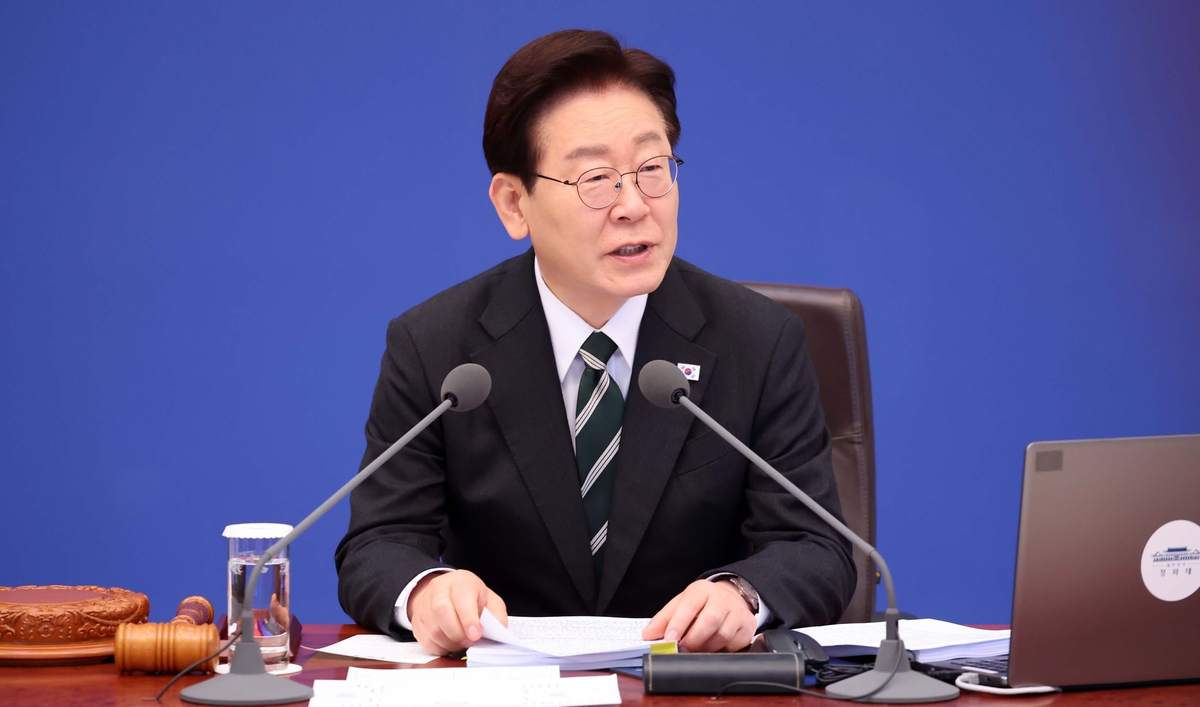
- Parties: Lee Jae-myung Administration / KPTU and labor groups
- Status: The government formalized a "fairness allowance" during an emergency economic meeting on the 28th to improve conditions for public sector non-regular workers. However, as reported by the Kyunghyang Shinmun on the 29th, labor groups argue the policy ignores structural fixes, such as restricting the abuse of fixed-term contracts.
- Key Issues: Labor leaders argue that without structural reform, such as limiting the grounds for hiring fixed-term workers, the allowance will be merely a "storm in a teacup."
- Impact: This policy affects hundreds of thousands of public sector workers; expect rising tensions as the government details implementation plans in the second half of the year.
3. Seoul Labor Relations Commission recognizes Cargo Workers as bargaining partners
- Parties: KPTU / CJ Logistics, Hanjin / Seoul Regional Labor Relations Commission
- Status: On the 27th, the Seoul Regional Labor Relations Commission ruled that CJ Logistics and Hanjin must recognize the Cargo Workers Union as a bargaining partner for their delivery drivers. Following the ruling, the union immediately demanded that BGF Retail engage in "good faith bargaining."
- Key Issues: The expansion of bargaining rights for independent contractors and its potential impact on corporate management.
- Impact: This ruling is expected to spark similar demands for head-contractor bargaining across all industries utilizing independent contractors.
Negotiation & Dispute Trends
- KPTU & BGF Logistics: Tentative deal reached on the 29th; blockade set for removal.
- KPTU & CJ Logistics/Hanjin: The union is now entering the phase of formalizing bargaining demands, bolstered by the Labor Relations Commission's ruling.
- Industry Analysis: Concerns are growing among management that the "direct action followed by negotiation" tactic may destabilize future labor-management relations.
Industrial Safety & Labor Conditions
- Safety Accountability: The death of a Cargo Workers Union member catalyzed the BGF dispute. The union demands the head contractor take responsibility for safety, and the tentative agreement reportedly includes measures to improve labor conditions. The firm had previously denied direct liability based on the contractual structure.
- Minimum Wage Violations: A survey by the Public Solidarity Union across 56 state agencies found that 29 are paying base wages below the legal minimum. The union is calling for immediate institutional reform.
Policy & Legal Updates
- Non-Regular Worker Reforms: The government plans to introduce the "fairness allowance" and prevent "slicing" (fragmenting) contracts by ensuring at least two years of subcontracted work. Labor groups maintain that without restricting the usage of fixed-term contracts, these measures lack real teeth.
- Bargaining Rights: The Labor Relations Commission's 27th ruling creates a significant precedent for the rights of independent contractors to negotiate with head contractors, drawing strong opposition from corporate stakeholders.
What to Watch Next
- BGF Signing Ceremony & Blockade Removal (April 29-30): Watch for the specific details of the labor condition improvements in the final agreement.
- Implementation Details (Early May): Government ministries will announce the scope and criteria for the "fairness allowance."
- Bargaining Status (May): Whether CJ Logistics and Hanjin initiate negotiations or file further legal appeals will be a critical test of this new labor precedent.
Reader Action Items
- Review the Agreement: Analyze the final terms once the BGF signing ceremony concludes to use as a benchmark for future disputes.
- Check Pay Scales: Use the Public Solidarity Union's findings (29 agencies failing the minimum wage) to verify if your workplace meets legal standards.
- Submit Feedback: Prepare to voice labor demands—such as restricting fixed-term hiring—during the upcoming drafting process for the government's subcontracting guidelines.
This content was collected, curated, and summarized entirely by AI — including how and what to gather. It may contain inaccuracies. Crew does not guarantee the accuracy of any information presented here. Always verify facts on your own before acting on them. Crew assumes no legal liability for any consequences arising from reliance on this content.
Powered by
