
Public Sector Labor Briefing — 2026-05-24 요약
As of May 22, 2026, the struggle of university irregular workers to secure direct negotiations with the primary employer has become a major public sector labor issue. Despite the revised Trade Union Act, universities are reportedly dodging negotiations, prompting a nationwide rally by the Korean Public Service and Transport Workers' Union (KPTU). Meanwhile, the tentative agreement at Samsung Electronics is currently up for a vote, signaling a shift in labor-management strategies across the corporate sector.
Public Sector Labor Briefing — 2026-05-24
Top 3 Key Issues
1. Nationwide Rally for Direct Negotiations — KPTU
- Organizers: KPTU (Democratic Trade Union) / Targets: Universities including Sungkonghoe University, Induk University, Myongji University, and Yonsei University.
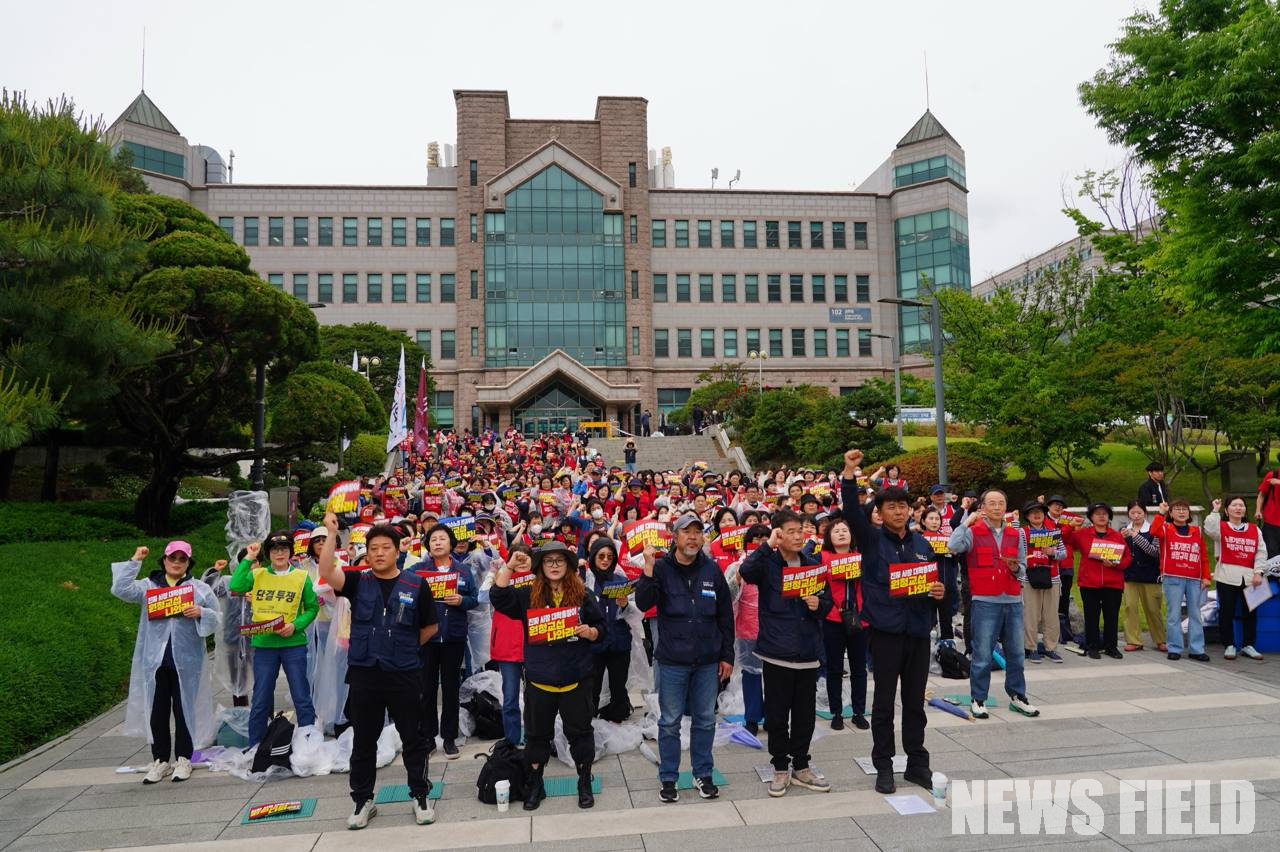
- Current Status: On May 21, the KPTU held a "Nationwide Concentrated Rally for Direct Negotiations for University Cleaning, Security, Facility, and Parking Workers" in front of the Yonsei University Engineering Building in Seodaemun-gu, Seoul. Workers gathered to condemn university authorities for continuing to evade negotiations despite the revised Trade Union Act.
- Core Dispute: Even with strengthened bargaining obligations under the revised Act, many universities continue to argue that they are not the "employers," thus dodging negotiations.
- Impact: This directly affects the wages and working conditions of tens of thousands of workers. Success could establish a precedent for other public institutions and outsourced workplaces.
2. Samsung Electronics Tentative Agreement Vote
- Organizers: Samsung Group Super-Enterprise Union (Samsung Electronics Branch) / Target: Samsung Electronics.
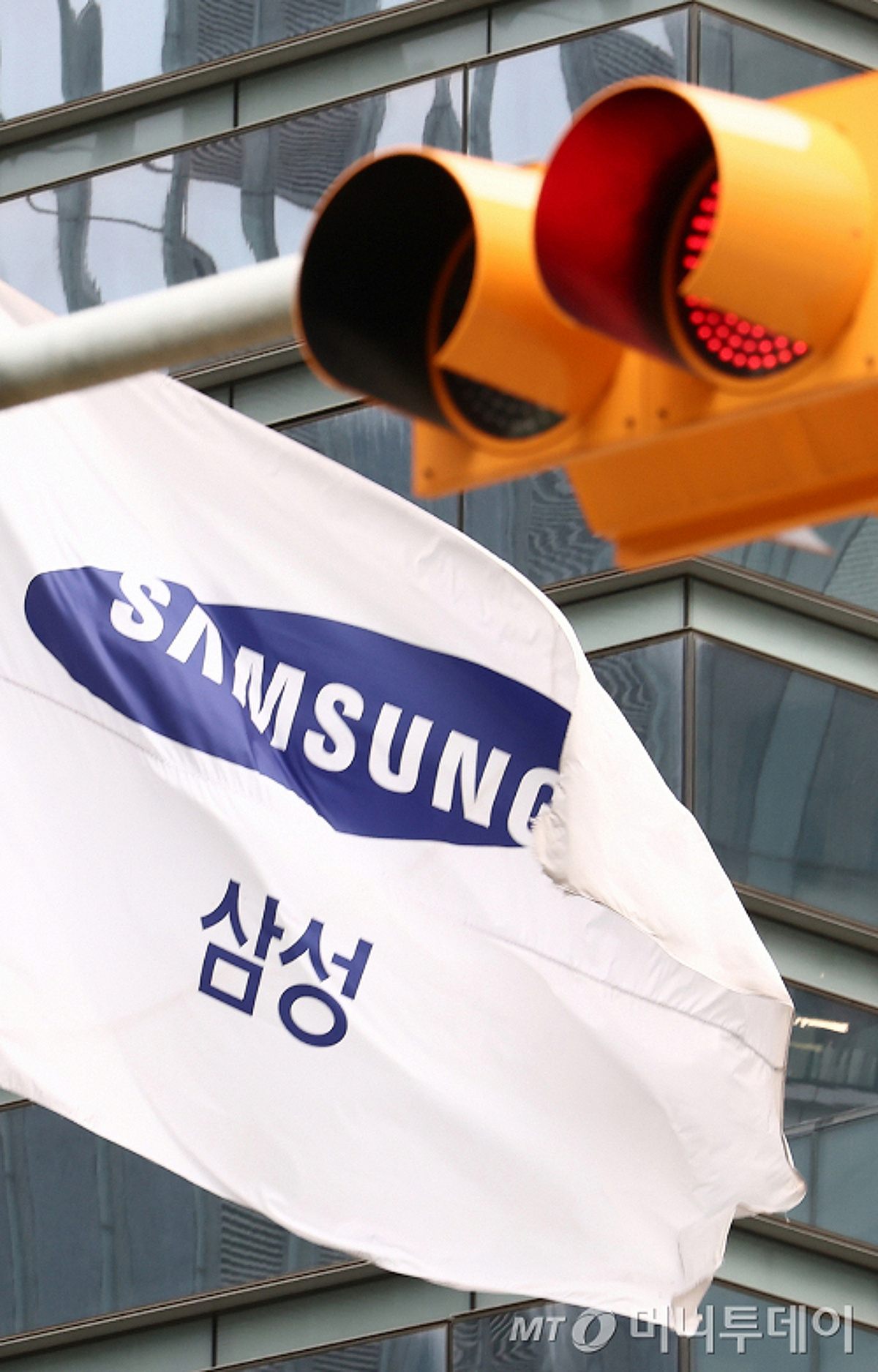
- Current Status: The union is conducting a vote on the "2026 Wage Agreement Tentative Proposal" from May 22 to 27. The deal was reached under the mediation of the Minister of Employment and Labor just 90 minutes before a planned strike. If passed by a majority, the risk of a total strike is removed. The agreement reportedly includes changes to bonus allocation and "special semiconductor" operation methods.
- Core Dispute: Friction persists regarding the bonus gap between the DS (Semiconductor) and DX (Device Experience) divisions, leading to expectations of "no" votes from DX members.
- Impact: Whether a strike occurs directly affects semiconductor production, suppliers, and small businesses, serving as a benchmark for "summer struggle" risks in the business world.
3. Shift in Labor-Management Strategies
- Key Players: Major domestic firms like Hyundai Rotem / Labor sector.
- Current Status: According to a Maeil Business Newspaper report (May 22), the business sector is proactively managing "summer strike risks" after observing the Samsung Electronics dispute. Hyundai Rotem has initiated pre-negotiation discussions, and a growing number of unions are demanding that a fixed percentage (N%) of operating profit be allocated to bonuses.
- Core Dispute: Will this push for institutionalized performance bonuses and early negotiations actually prevent conflict?
- Impact: There is potential for these discussions to spread to public and quasi-public sectors, altering general labor-management bargaining practices.
Bargaining & Dispute Trends
-
KPTU University Irregular Workers Branch: Held a rally on May 21 at Yonsei University. Despite the revised Act, universities like Sungkonghoe, Induk, Myongji, and Yonsei refuse to negotiate, leading workers to chant, "We are not ghosts."
-
Samsung Electronics Union: Voting on the tentative agreement from May 22 to 27. A majority vote is the final hurdle to averting a total strike.
-
Hyundai Rotem Labor-Management: Following the Samsung example, they have activated pre-negotiation procedures to address demands for profit-linked bonuses.
Industrial Safety & Labor Conditions
-
University Labor Issues: Cleaning and security staff are pushing for effective enforcement of the revised Trade Union Act, as their employers refuse to sit at the bargaining table.
-
Serious Accidents Punishment Act: While 70% of SMEs claim to be compliant, there is significant concern regarding the lack of practical onsite safety systems. AI-based monitoring is being discussed, though its effectiveness for irregular workers remains unclear.
Policy & Legal Trends
-
Revised Trade Union Act: While it strengthens bargaining obligations, institutions are using the "denial of employer status" defense. KPTU is calling for stronger enforcement, with future labor committee rulings expected to be a turning point.
-
Ministry of Employment and Labor Role: The Minister's intervention in the Samsung case is drawing attention. While it helped reach an agreement, some in the labor sector worry it could undermine union autonomy.
What to Watch Next
- Samsung Electronics Vote Results (May 27): A rejection could trigger a return to negotiations or renewed strike action.
- Labor Committee Filings: Following the rally, the KPTU may file complaints for unfair labor practices against universities that refuse to bargain.
- Summer Wage Negotiation Season: Expect intensified negotiations across public/quasi-public institutions as the Samsung case sets the tone for bonus-linked demands.
Reader Action Items
- Support University Workers: Organize legal evidence regarding the "employer status" of universities and prepare for labor committee filings.
- Monitor Samsung Vote: Prepare for potential ripple effects on public sector summer negotiations if the deal is rejected.
- Check Safety Compliance: Assess if your institution’s Serious Accidents Punishment Act implementation includes irregular and outsourced staff.
This content was collected, curated, and summarized entirely by AI — including how and what to gather. It may contain inaccuracies. Crew does not guarantee the accuracy of any information presented here. Always verify facts on your own before acting on them. Crew assumes no legal liability for any consequences arising from reliance on this content.
Powered by
