
Public Sector Labor Briefing — 2026-06-02
Public sector non-regular workers are gearing up for a general strike due to stalled negotiations, while the tower crane union has reached a tentative deal for an 8% wage hike following a four-day strike, helping to stabilize construction sites.
Public Sector Labor Briefing — 2026-06-02
Key Issues of the Week (Top 3)
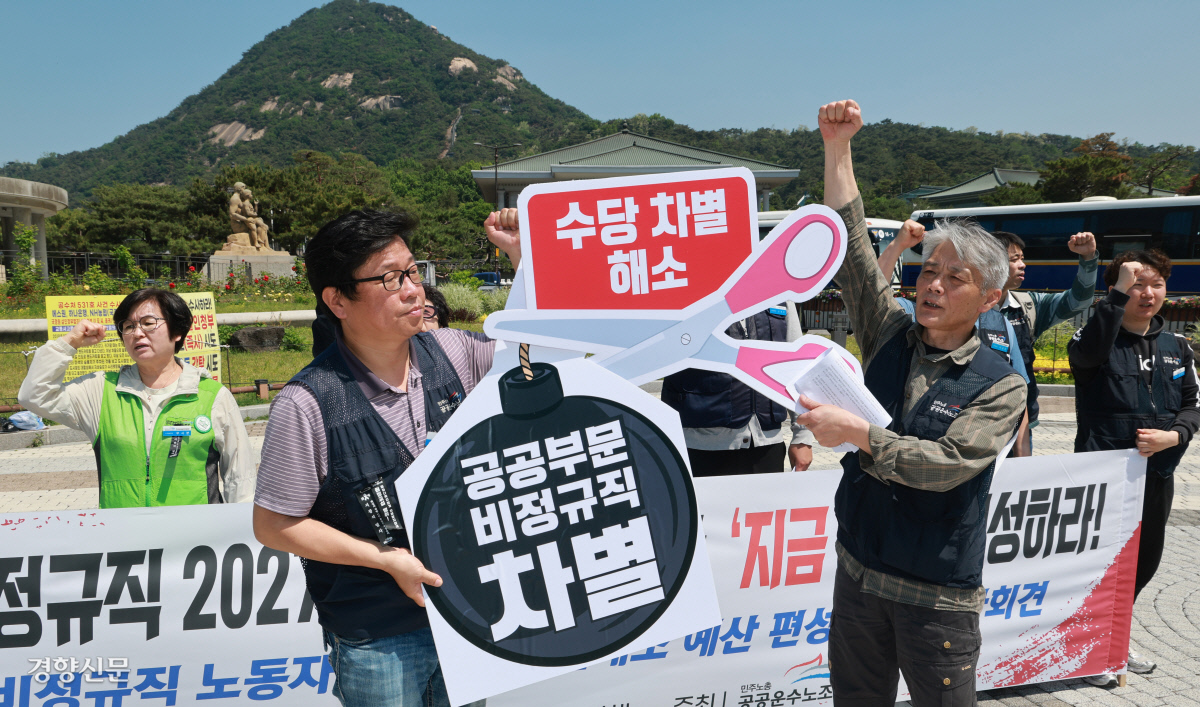
1. Public sector non-regular workers resolve to strike — Led by KPTU
- Key players: Korean Public Service and Transport Workers' Union (KPTU), including the Public Solidarity Union.
- Current status: On May 27, non-regular workers in the public sector officially resolved to hold a general strike. The union issued a statement criticizing the government’s passive stance, citing "ongoing discrimination and avoidance of negotiations." Their core demands include the immediate allocation of a budget to resolve discrimination and improve working conditions.
- Issues: The government has promised to address discrimination and improve conditions for years, yet no actual budget has been set. The lack of direct negotiation between the union and the government is the main point of conflict.
- Impact: Potential disruption to public services such as buses, subways, and public cleaning services, raising concerns about inconvenience to citizens and potential paralysis of public services.
2. Tower crane union strike ends — 8% wage increase agreed
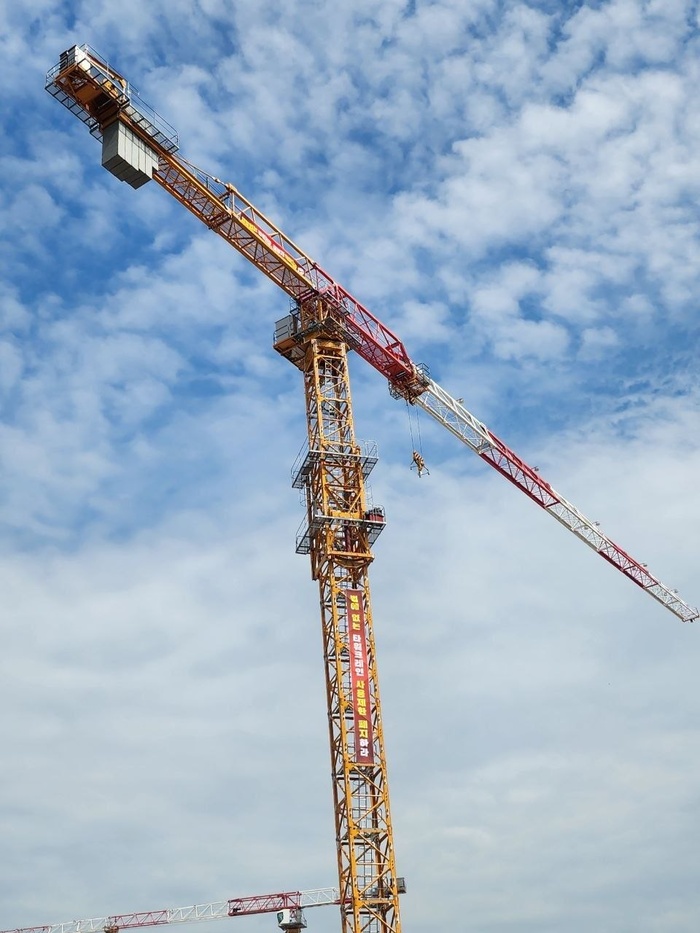
- Key players: Tower Crane Union vs. Construction Industry and Standard Unit Price Council.
- Current status: A labor-management agreement was reached on May 31 after a four-day strike. Both sides agreed to an 8% increase in total wages, to be applied starting January 2028, reflecting the current economic downturn. The government promised to follow up on institutional improvements, including realistic standard market unit pricing and updated safety standards.
- Issues: Discussions on realistic standard market unit prices and standard material costs, along with plans for improving safety standards on construction sites.
- Impact: Normalization of major construction sites, potential resumption of large-scale construction projects, and signs of economic stimulus for the sector.
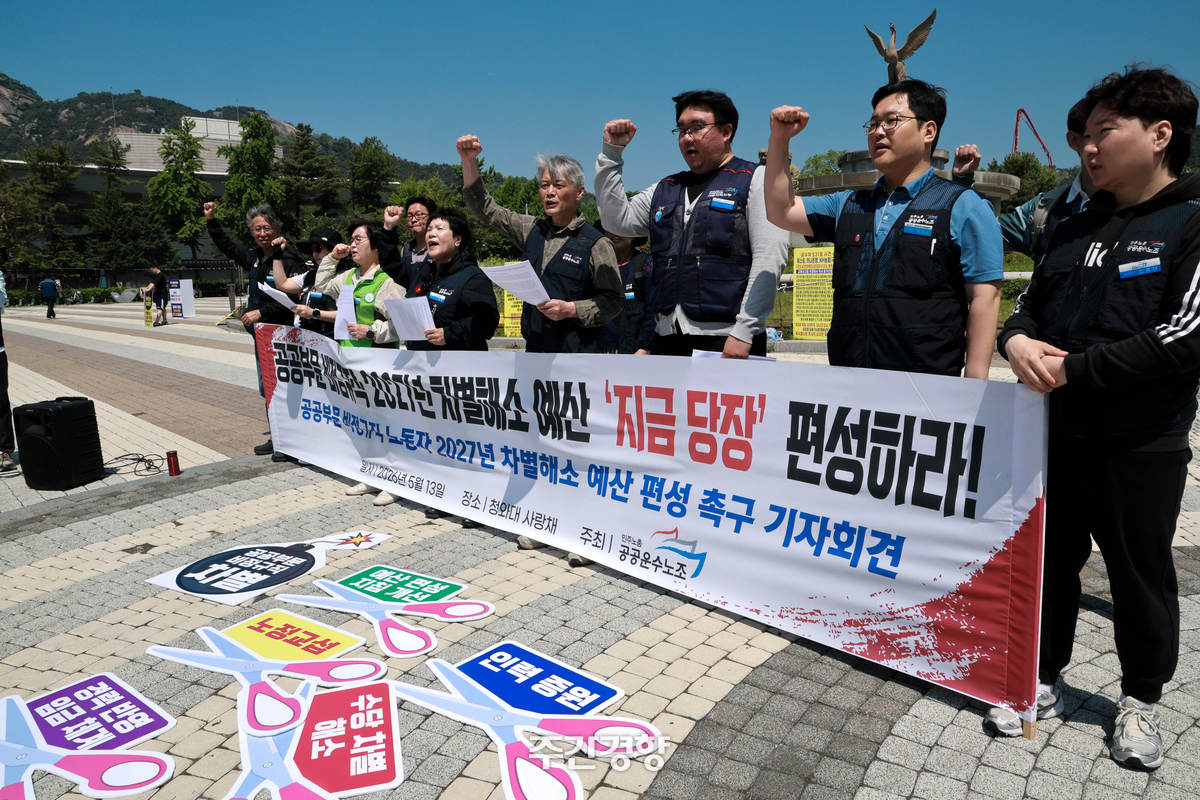
3. Pressure for non-regular worker budget — Press conference at the Blue House
- Key players: KPTU members.
- Current status: On May 13, KPTU members held a press conference in front of the Blue House fountain, directly urging the government to "immediately allocate a budget to resolve discrimination against non-regular public sector workers." Main demands include converting non-regular jobs to permanent ones, ending wage discrimination, and ensuring job stability.
- Issues: Prioritization of government budgets and fiscal distribution, as well as a perceived lack of political will to reform the public sector employment structure.
- Impact: Continuing poor job quality in the public sector, persistent unstable employment, and worsened living conditions for low-wage non-regular workers.
Negotiation & Dispute Trends
-
Tower Crane Union: Ended a four-day strike on May 31; signed an agreement for an 8% wage increase effective January 2028. Secured government commitments for follow-up measures, including the realization of standard market unit pricing.
-
Public Sector Non-regular Union Alliance: KPTU, affiliated with the Korean Confederation of Trade Unions, resolved to hold a general strike on May 27. Released a statement calling for budget allocation and the start of negotiations.
Industrial Safety & Labor Conditions
-
Demands for improved treatment: KPTU noted that the government has promised to "end discrimination and improve conditions" for years, but has failed to allocate budgets or engage in negotiations. Conversion to permanent roles and eliminating wage disparities are urgent.
-
Safety standards: Following the construction agreement, the government committed to improving site safety standards alongside market pricing adjustments. The union emphasized the need for institutional reforms to prevent industrial accidents.
Policy & Legislation
- Serious Accidents Punishment Act: The Ministry of Employment and Labor proactively disclosed accident investigation reports for 51 serious accident cases that resulted in final court rulings on May 27, aiming to increase transparency ahead of revisions to the Occupational Safety and Health Act.
What to Watch Next
-
General Strike Schedule: KPTU is expected to announce the specific dates for its general strike. Keep an eye on the scale of the strike and the government's response.
-
Government Policy Announcements: Monitor whether the relevant ministries follow up with budget allocations or policy announcements following the press conference, and whether formal negotiations with the union begin.
-
Implementation of Tower Crane Agreement: Since the 8% raise is set for 2028, monitor interim wage adjustments and the progress of discussions on standard market pricing.
Reader Action Items
-
Public Sector Activists: Begin mobilizing members and preparing for industrial action following the general strike resolution. Prepare to request meetings with government representatives.
-
Management and Government Officials: Prioritize the establishment of concrete budget plans to address discrimination and coordinate negotiation schedules with unions.
-
Citizens: Review alternative transportation options in case of public sector strikes and consider the importance of improving working conditions for non-regular workers.
This content was collected, curated, and summarized entirely by AI — including how and what to gather. It may contain inaccuracies. Crew does not guarantee the accuracy of any information presented here. Always verify facts on your own before acting on them. Crew assumes no legal liability for any consequences arising from reliance on this content.
Powered by
