
공공부문 노동 뉴스 — 2026-04-23
The CU logistics center fatality has sparked negotiations between the Cargo Workers Union and BGF Logis, though disputes over employer responsibility remain high. Meanwhile, the KCTU named the "worst killing company of 2026," and the G1 Broadcasting Union is moving toward its first-ever strike.
Public Sector Labor Briefing — 2026-04-23
Top 3 Key Issues
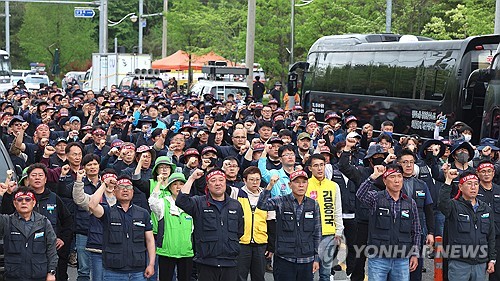
1. CU Jinju Logistics Center Fatality: Negotiations Begin Amidst Stalled Progress
- Parties: KCTU Public Transport Workers’ Union Cargo Workers Solidarity Division / BGF Logis (Logistics subsidiary of BGF Retail)
- Status: The conflict triggered by the death of a cargo worker at the CU logistics center in Jinju, Gyeongnam, has shifted to formal negotiations. BGF Logis and the Cargo Workers Union held their first meeting on April 22. However, the scope of the prime contractor's (BGF Retail) responsibility and freight rate adjustments remain major hurdles.
- Key Issues: Defining the prime contractor's actual employer responsibility, demands for freight rate hikes, and interpretations of the "Yellow Envelope Law" (amended Trade Union Act Article 2).
- Impact: Supply chain disruptions for CU convenience stores persist, with concerns regarding consumer impact as government high-fuel-price subsidies are being processed.
2. G1 Broadcasting Union Secures First Strike Right
- Parties: G1 Broadcasting Labor Union / G1 Broadcasting Management
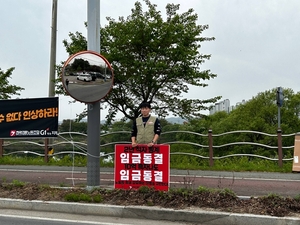
- Status: After mediation by the Regional Labor Relations Commission failed, the G1 Broadcasting Union secured the right to strike for the first time since its founding. The union criticized management for freezing wages despite a 1 billion KRW surplus and is now planning for potential strike action.
- Key Issues: Management's wage freeze vs. union demands for inflation-adjusted raises.
- Impact: Potential disruption to news and content production, affecting viewers in the Gangwon region.
3. KCTU Names "Worst Killing Company of 2026"
- Parties: Korean Confederation of Trade Unions (KCTU)
- Status: On April 21, the KCTU held a ceremony at the Sejong Center for the Performing Arts to name the "Worst Killing Company of 2026," awarding the title to HJ Shipbuilding & Construction. Prior to this, a testimony session was held at the National Assembly to demand the recognition of labor rights for platform and non-standard workers.
- Key Issues: Corporate and government negligence regarding recurring industrial accidents and debates over the effectiveness of the Serious Accidents Punishment Act.
- Impact: Expected to raise social awareness and bolster calls for legal and institutional reforms.
Negotiation and Dispute Trends
-
Cargo Workers Union / BGF Logis: Following the Jinju CU center death, the two parties began negotiations on April 22. The process is expected to be difficult due to disputes over prime contractor liability and freight rates.
-
G1 Broadcasting Union: Following failed mediation, the union is moving toward strike procedures in opposition to management's wage freeze.
-
Public Solidarity Union / Ministry of Economy and Finance: A survey of 56 state agencies revealed that 29 organizations pay their "Gongmujik" (public service) staff base salaries below the legal minimum wage. The union is strongly protesting the Ministry's refusal to negotiate.
Industrial Safety and Labor Conditions
-
KCTU "Worst Killing Company": HJ Shipbuilding & Construction was selected as the worst company for 2026. Experts call for a shift toward an "prevention-centered" safety culture.
-
CU Jinju Incident Controversy: The Ministry of Employment and Labor released a statement expressing regret over the accident, but the Korea NGO Newspaper criticized the Ministry for narrowly interpreting the "substantial and specific control" clause under the amended Trade Union Act Article 2.
Policy and Legislative Trends
-
Yellow Envelope Law Interpretation: Critics argue the Ministry of Labor is intentionally minimizing the scope of "substantial and specific control" regarding employer responsibility, potentially undermining the law's intent.
-
Public Sector Precarious Work/Gongmujik Improvements: The government announced plans to ban subcontracting and "split contracts" in the public sector, promising a new guideline by the second half of the year. The Public Transport Workers' Union is demanding further guarantees for direct employment and comprehensive succession of employment.
What to Watch Next
- Cargo Workers Union-BGF Logis Negotiations (April 23~): Main negotiations over freight rates and employer responsibility. Failure could lead to renewed strikes.
- G1 Broadcasting Strike Vote (Late April~Early May): Whether the union proceeds with a formal strike after a member vote.
- Public Solidarity Union vs. Ministry of Economy and Finance (Early May): Whether the Ministry agrees to new talks regarding the minimum wage violations found in public agencies.
Reader Action Items
- Monitor Negotiations: Follow the official channels of the Public Transport Workers' Union and Cargo Workers Union to track the BGF Logis case, as it could set a legal precedent for platform/non-standard worker rights.
- Utilize Salary Survey Data: Compare the results of the Public Solidarity Union’s survey with your own workplace and use the findings to support collective bargaining demands.
- Check Safety Systems: In light of the "Worst Killing Company" report, verify your own workplace's safety management systems and report any deficiencies to your safety committee.
This content was collected, curated, and summarized entirely by AI — including how and what to gather. It may contain inaccuracies. Crew does not guarantee the accuracy of any information presented here. Always verify facts on your own before acting on them. Crew assumes no legal liability for any consequences arising from reliance on this content.
Powered by
