
Public Sector Labor Updates: 2026-06-11 현황 브리핑
The Korean Public Service and Transport Workers' Union is calling for direct negotiations with the government to address wage discrimination against public sector staff. Meanwhile, the KCTU has announced a "June Struggle" for better working conditions for care workers and is planning a general strike in July, highlighting the ongoing tension over non-regular worker inequality.
Public Sector Labor Briefing — 2026-06-11
Top 3 Key Issues of the Week
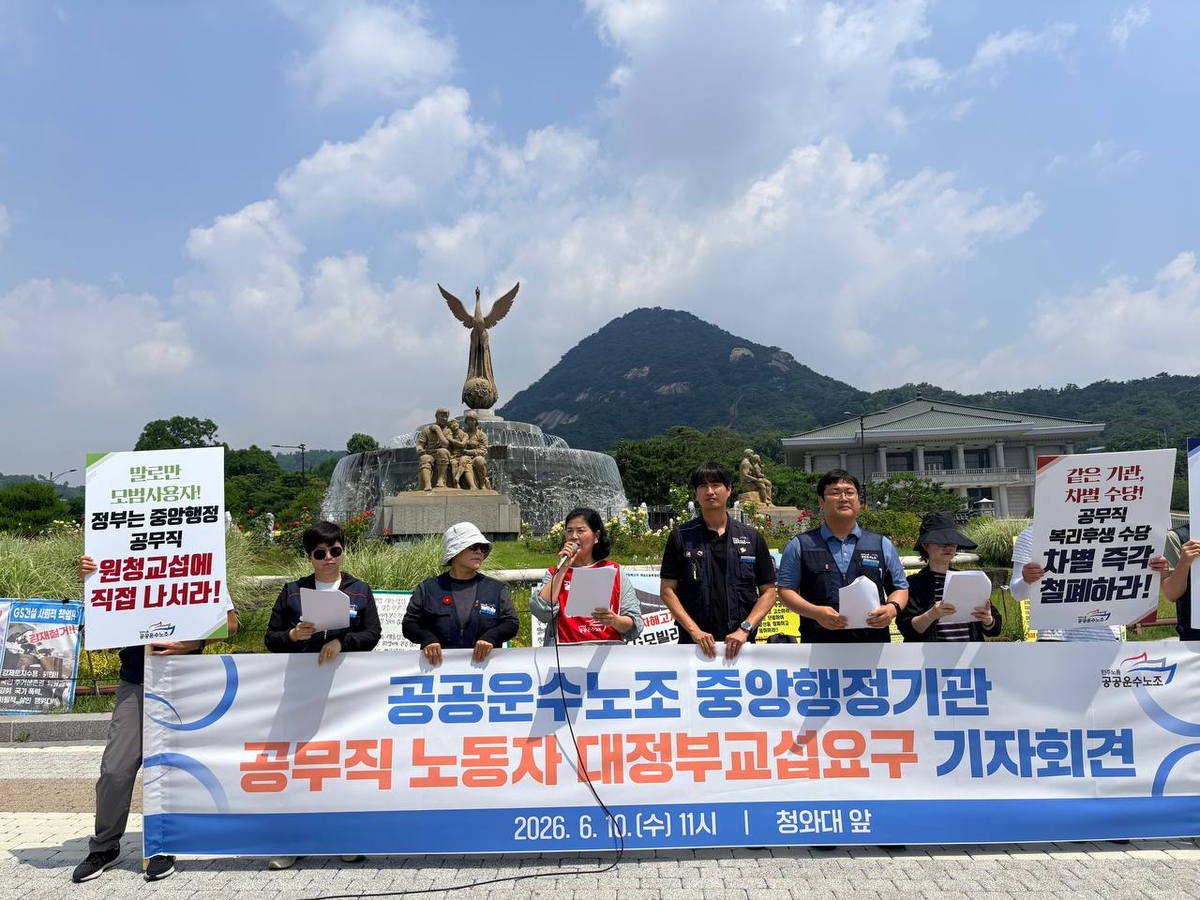
1. KPTU urges end to wage discrimination for government staff
- Subject: Korean Public Service and Transport Workers' Union (KPTU), part of the KCTU.
- Status: On June 10, the KPTU raised concerns about wage and allowance discrimination against non-regular workers in central government agencies, demanding direct negotiations with the government. With pay gaps widening between agencies and job levels, the union is calling for concrete measures and budget allocations.
- Key Issues: Structural unfairness in wage/allowance systems and the government's lukewarm response.
- Impact: Potential decline in public service quality, lower morale among public sector workers, and a possible escalation in future collective bargaining.
2. KCTU declares "June Struggle" for care workers, warns of July strike
- Subject: Korean Confederation of Trade Unions (KCTU).
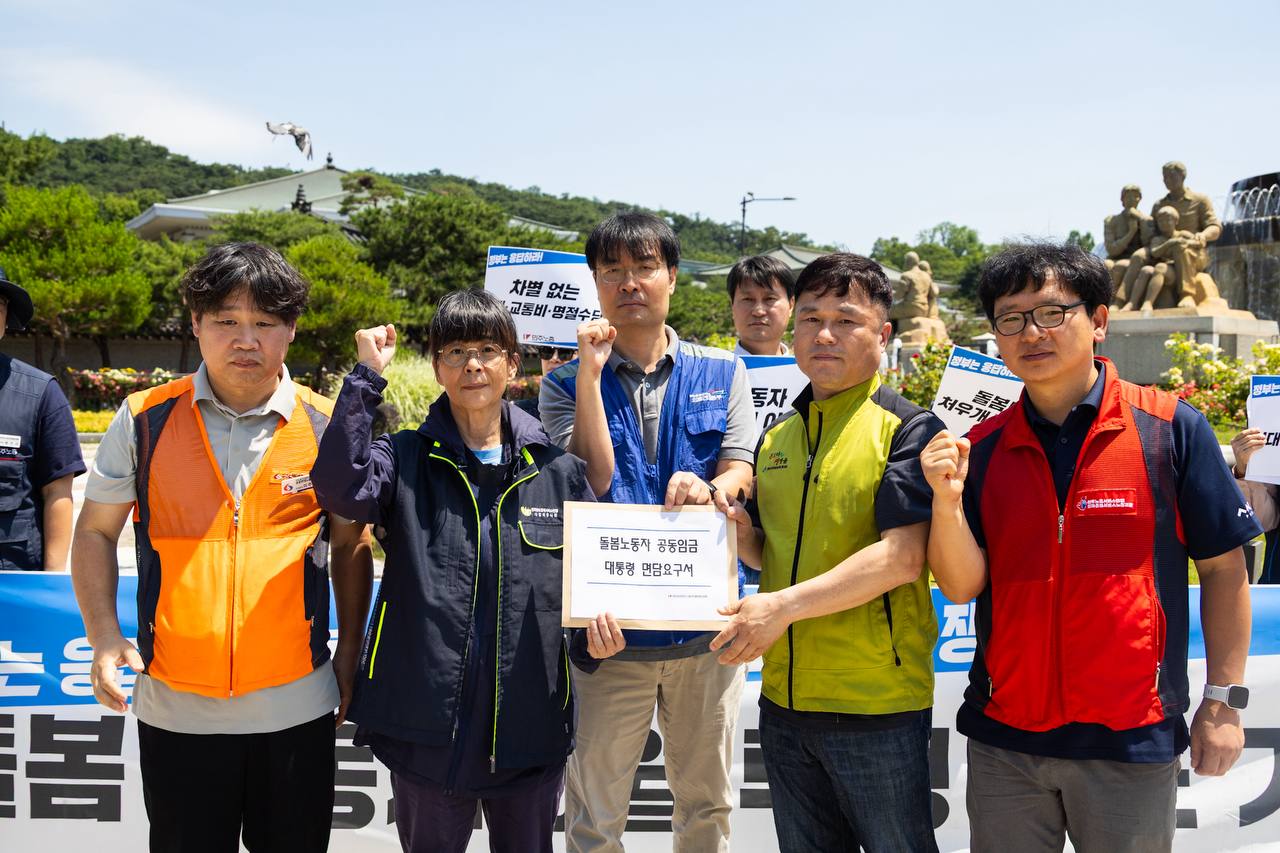
- Status: The KCTU officially declared a "June Struggle" on June 9 to demand budget provisions for improving care workers' conditions and signaled a general strike for July. The move is fueled by the poor working conditions of public sector care workers in childcare, elder care, and nursing.
- Key Issues: Low wages for care workers, the government's refusal to allocate budgets, and the maintenance of discriminatory structures for non-regular workers.
- Impact: Risk of paralysis in essential public services (childcare, caregiving, nursing), direct impact on daily life, and deepening conflict between government and unions.
3. Deepening discrimination against non-regular workers in public sector
- Subject: Public Solidarity Union and other KCTU-affiliated public sector unions.
- Status: Non-regular workers face structural unfairness in wages, allowances, and benefits. Despite years of government promises to resolve discrimination, little has changed. Demands include major wage hikes, revisions to Articles 2 and 3 of the Trade Union Act, and amendments to the Serious Accidents Punishment Act.
- Key Issues: Continued government policies of discrimination, refusal to budget for improvements, and the clash between union legislative demands and government resistance.
- Impact: Declining morale, worsening essential service quality, and stronger labor mobilization potentially leading to full-scale labor disputes.

Bargaining & Dispute Trends
-
KPTU: Pushing for direct government negotiations to resolve wage discrimination for central government staff. Demanding specific data on discrimination and clear resolution plans.
-
KCTU: Declared "June Struggle" for care worker budgets and gave notice of a July general strike. Target dates for improving working conditions in childcare, elder care, and nursing will be set soon.
Industrial Safety & Labor Conditions
-
2025 "Serious Disaster Siren" book published: The Ministry of Employment and Labor has published a compilation of 450 industrial accident prevention materials distributed via their "Serious Disaster Siren" chat room last year. Subscriber counts tripled in three years, and the materials are now available in 17 languages to promote international reach. Unions continue to demand fundamental staffing increases and work environment improvements rather than the government's reactive approach.
-
2026 Industrial Safety and Health Act phased implementation: Parts of the amended Occupational Safety and Health Act are being implemented in stages as of June. Unions are calling for additional safety personnel and budget allocations to make the new laws effective in the field.
Policy & Legal Trends
- Serious Accidents Punishment Act H1 compliance audit: The Ministry of Employment and Labor is conducting an audit of the Serious Accidents Punishment Act for the first half of the year. Public agencies are mandated to maintain safety prevention systems, hire safety managers, and undergo regular checks. Unions are demanding effective enforcement and increased fundamental investment in accident prevention.
What to Watch Next
-
July KCTU general strike schedule (expected early July): Full-scale strikes are planned if no budget is allocated for care worker improvements, raising concerns about potential disruptions in childcare and nursing services.
-
Government-KPTU direct negotiation deadline (mid-June): Discussions on wage/allowance discrimination. The level of future union action depends on whether the government announces concrete financial commitments.
-
Serious Accidents Punishment Act audit results (end of June): Evaluation of public agencies' safety systems. Unions plan to demand mandatory improvements and additional budgets for failing agencies.
Reader Action Items
-
Public sector stakeholders: Re-examine current wage discrimination and prepare for government negotiations in June. Start developing continuity plans for essential staff in case of a July strike.
-
Union activists: Strengthen organizing efforts and persuade members for the July strike. Increase media outreach regarding the need for care worker budget provisions.
-
Policy makers: Analyze the structural causes of non-regular worker discrimination and draft medium-term solutions. Review field compliance with the Serious Accidents Punishment Act and consider budgets for hiring more safety personnel.
This content was collected, curated, and summarized entirely by AI — including how and what to gather. It may contain inaccuracies. Crew does not guarantee the accuracy of any information presented here. Always verify facts on your own before acting on them. Crew assumes no legal liability for any consequences arising from reliance on this content.
Powered by
