
Public Sector Labor Briefing — June 15, 2026
The KCTU’s upcoming July 15 strike is intensifying labor-management conflicts over direct bargaining with original contractors. Meanwhile, the KPTU is pushing the government to end wage discrimination against public service workers, and discussions on improving safety systems are heating up due to rising industrial fatalities in public institutions.
Public Sector Labor Briefing — June 15, 2026
Key Issues of the Week (Top 3)
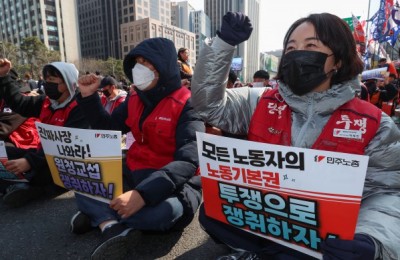
1. KCTU General Strike D-30, Escalating Disputes Over Prime Contractor Bargaining — Korean Confederation of Trade Unions (KCTU)
- Parties: KCTU / Management and Government
- Current Status: With the KCTU announcing a general strike for July 15, labor and management remain at odds over "making prime contractor bargaining a reality." Management is concerned about "strike-first" mentality, while labor demands greater accountability from primary employers.
- Issues: Fundamental differences regarding the right of subcontractor unions to engage in direct bargaining with prime contractors following the enactment of the "Yellow Envelope Law."
- Impact: Tensions in the labor sector are expected to rise over the next month, with potential wide-scale impacts on public transport and transportation services during the strike.
2. KPTU Demands End to Wage Discrimination Against Public Service Workers — Korean Public Service and Transport Workers' Union (KPTU)
- Parties: KCTU-affiliated KPTU
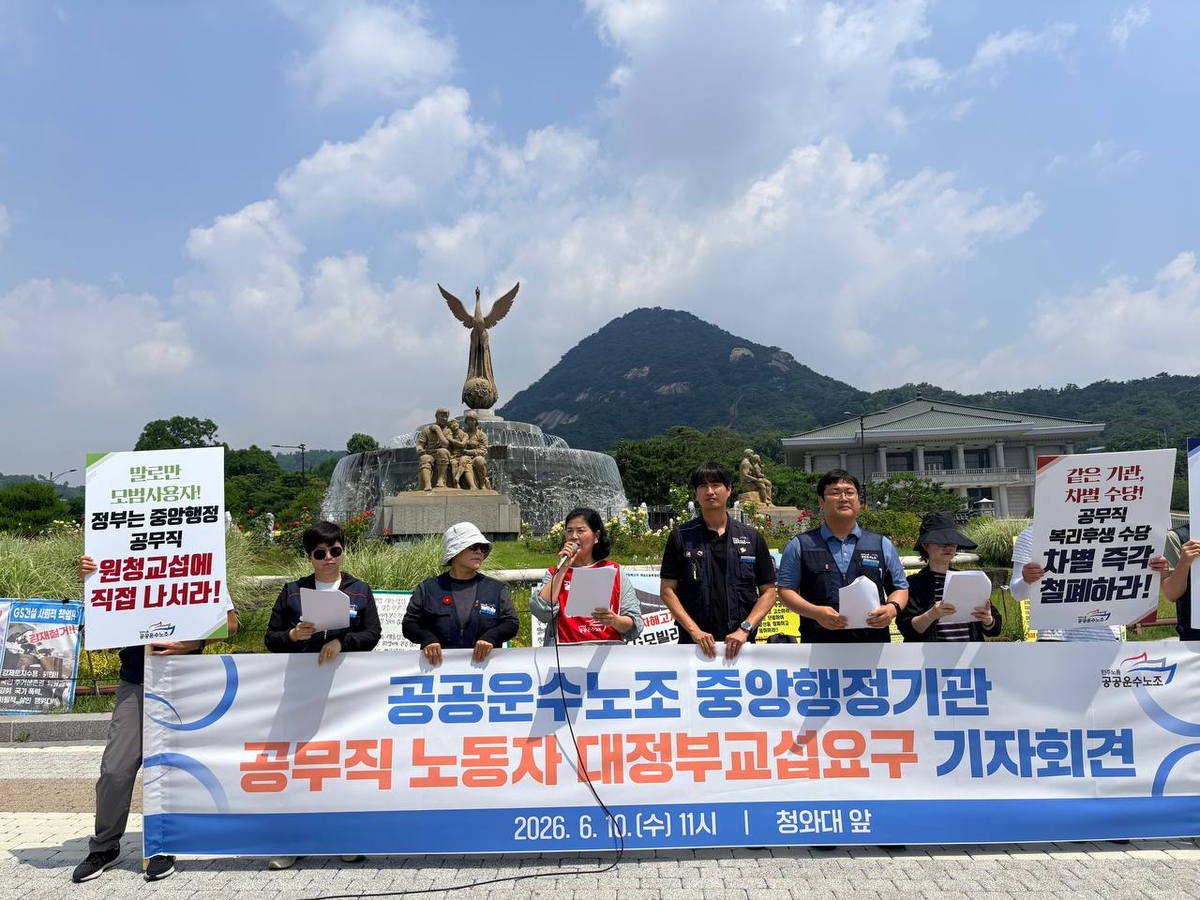
- Current Status: On June 10, the KPTU urged the government to improve the wage system for public service workers (gongmujik) employed by central government agencies, citing systematic discrimination in allowances compared to permanent staff.
- Issues: Addressing the disparity between regular and non-regular workers in the public sector and the need to rationalize discriminatory wage systems.
- Impact: Triggered discussions on improving conditions for non-regular public sector workers, with potential to become a key bargaining agenda item.
3. Surge in Industrial Deaths at Public Institutions Prompts Safety System Review — Ministry of Employment and Labor
- Parties: Ministry of Employment and Labor / Public Institutions / KPTU and related unions
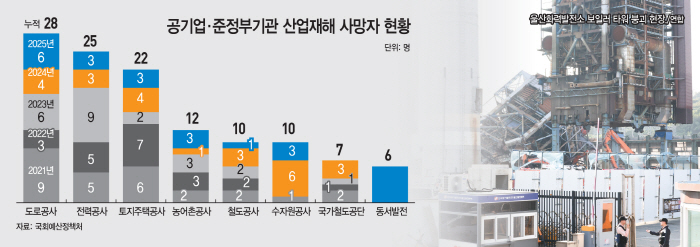
- Current Status: With 33 industrial deaths at public institutions last year, questions regarding the effectiveness of public sector safety management systems have been raised. The government is considering expanding the Safety Management Rating System and utilizing labor directors.
- Issues: Insufficient safety management capacity across institutions and structural limitations in the public sector's accident prevention framework.
- Impact: Sparked discussions on improving working environments and expanding safety personnel at public institutions.
Bargaining and Dispute Trends
-
KPTU Gyeonggi Headquarters: Strongly criticized the Gyeonggi Provincial Government for drafting a "manual to evade employer responsibilities," labeling it "planned avoidance of prime contractor accountability." This has led to increased resistance from unions against local government practices.
-
Hyundai Motor Union: Declared a deadlock in its 11th wage negotiation and initiated a vote on whether to strike. The move has heightened tension within the automotive industry.
Industrial Safety and Labor Conditions
-
Strengthening Public Sector Accident Response: The Ministry of Employment and Labor is moving to improve safety management systems by expanding the Safety Management Rating System and reviewing the role of labor directors. The Industrial Safety and Health Act amendment, which took effect on June 1, 2026, mandates the disclosure of safety and health status and introduces fines for violations of risk assessments.
-
Expansion of Industrial Accident Prevention Projects: The Ministry of Employment and Labor is expanding its "Project to Eliminate Blind Spots for Serious Industrial Accidents" to regions including Jeonnam, Jeju, Daegu, Gwangju, and Ulsan, with an investment of 14.3 billion KRW in state funds to support vulnerable workers.
Policy and Legislative Trends
-
Enforcement of the 2026 Industrial Safety and Health Act Amendment: The amendment (revised Feb 19, in effect since June 1) includes stricter corporate responsibilities, such as mandatory safety disclosures. Unions emphasize the need for worker participation when implementing these systems in public institutions.
-
Discussions on Strengthening Prime Contractor Liability: Following the Yellow Envelope Law, debates continue over amending Articles 2 and 3 of the Trade Union Act to broaden the rights of subcontracted unionists to bargain directly with prime contractors.
What to Watch Next
- July 15 KCTU General Strike: The progress of labor-management negotiations is the key factor to watch.
- Implementation of the Industrial Safety and Health Act: Monitoring the establishment of safety disclosure systems and union participation across public institutions from June to August.
- Public Sector Wage Bargaining: Keep an eye on whether discussions regarding wage discrimination will expand to negotiations across individual government ministries.
Reader Action Items
- Public Institution Managers: Verify implementation deadlines for the 2026 industrial safety disclosure requirements and push for system setup.
- Union Activists: Coordinate pre-strike negotiations and government meetings, and prepare specific demands to end wage discrimination for public service workers.
- Policy Makers: Analyze the rise in public sector industrial accidents and establish a schedule for expanding the safety management rating system.
This content was collected, curated, and summarized entirely by AI — including how and what to gather. It may contain inaccuracies. Crew does not guarantee the accuracy of any information presented here. Always verify facts on your own before acting on them. Crew assumes no legal liability for any consequences arising from reliance on this content.
Powered by
