
공공부문 노동 현안 브리핑: 2026-07-31
Following the final ruling on delivery riders' employee status, the Public Transport Workers' Union is demanding immediate action. Meanwhile, major labor unions are opposing the Mega Special Zone Act, and civil service unions are criticizing the removal of overtime caps. Calls for collective bargaining by subcontracted public institution workers are also on the rise.
Public Sector Labor Issues Briefing — July 31, 2026
Top 3 Issues of the Week
1. Delivery Rider Employee Status Ruling Confirmed — Public Transport Workers' Union Demands Action
- Parties: Public Transport Workers' Union (KPTU), platform companies like Baemin and Coupang.
- Status: On July 29, 2026, the court delivered a final ruling recognizing the employee status of delivery riders. In a statement, the KPTU declared, "July 29, 2026, is a historic day where the legal status of delivery riders as employees was finalized," adding, "It is now time for the Ministry of Employment and Labor and companies like Baemin and Coupang to present concrete measures."
- Key Issues: Improving working conditions following legal recognition, and implementing minimum wage and social insurance coverage.
- Impact: Sets a foundation for labor rights for approximately 600,000 riders, likely resulting in additional costs for platform companies.

2. Major Labor Unions Oppose "Mega Special Zone Act" as Labor Regression
- Parties: KCTU, FKTU, and the government (Ministry of Trade, Industry and Energy; Ministry of Employment and Labor).
- Status: On July 31, 2026, the two major labor federations condemned the government’s proposed Mega Special Zone Act, calling it "an attempt to regress labor rights under the guise of high-tech industry development."
- Key Issues: Relaxation of regulations on fixed-term workers and clauses that could undermine health rights and employment stability within special industrial zones.
- Impact: Potential increase in subcontracted and contract labor in the public sector, deterioration of working conditions, and a decline in labor’s trust in government policy.
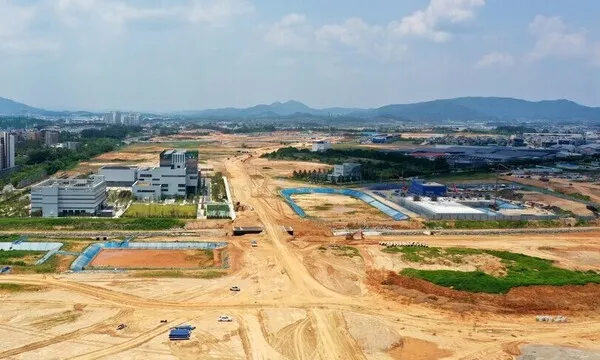
3. Civil Service Unions Criticize Removal of 4-Hour Overtime Cap
- Parties: Korean Government Employees' Union (KGEU), Ministry of the Interior and Safety.
- Status: The government is pushing to remove the 4-hour daily overtime cap for public servants. Unions argue this encourages long working hours without addressing the underlying pay structure. This issue is linked to ongoing negotiations for a 7.1% wage increase in 2027.
- Key Issues: The need for compensation reform vs. concerns over increased reliance on overtime due to low wages.
- Impact: Potential for increased workload and stress for public servants, and a decline in public service quality.
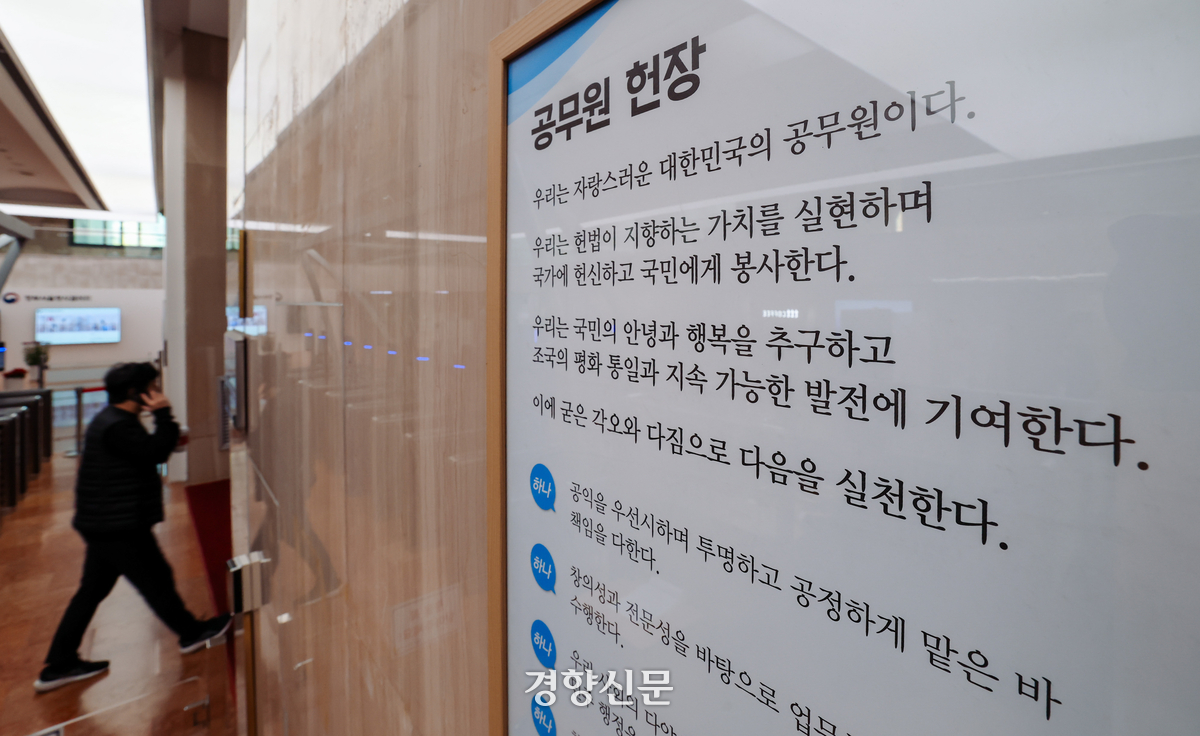
Bargaining & Labor Dispute Trends
- UFCW 3000 × Broadcast Coffee: Significant progress was made at the second bargaining session on July 27 after receiving the employer's first counter-proposal. Further meetings are scheduled.
- JTRAN Union × MV Transportation: The Jackson (Mississippi) city bus union, currently on strike, has a negotiation session scheduled with MV Transportation for July 31.
- Uruguayan UTA (Bus Drivers' Union): Commenced an indefinite strike on July 29 to demand payment of salary increases that have been overdue since January.
Industrial Safety & Working Conditions
- HD Hyundai Heavy Industries: The Metal Workers' Union and the Ulsan Action Committee are demanding a special labor inspection at the Gunsan Shipyard following a recent worker fatality, warning of stronger struggles if the government ignores unsafe site conditions.
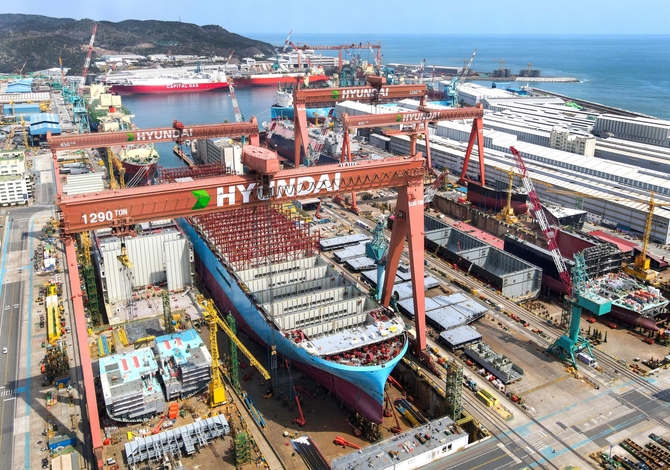
- Mandatory Safety Disclosure: Facilities with 500+ employees are now required to disclose safety and health information annually, including subcontracted worker fatalities, to strengthen the accountability of original contractors.
Policy & Legal Trends
- H1 2026 Industrial Accident Stats: The Ministry of Employment and Labor reported 253 workplace fatalities (232 cases) in the first half of 2026, an 11.8% decrease from the previous year—the lowest on record.
- Occupational Safety and Health Act: New regulations requiring employee representative participation and result disclosure in risk assessments are now in full effect for major institutions.
What to Watch Next
- Mega Special Zone Act: Anticipate parliamentary hearings and opposition demands for revisions to labor clauses once the bill is introduced.
- Civil Service Wage Talks: August negotiations are expected to intensify as the 7.1% wage hike and overtime cap issues remain central.
- Platform Collective Bargaining: Expect KPTU to initiate group bargaining demands with platform firms now that the employee status of riders is legally confirmed.
Reader Action Items
- Monitor Legislation: Track the Mega Special Zone Act to prepare impact assessments.
- Map Subcontracted Labor: Build a database on the number and pay status of subcontracted/contract workers in local public institutions (e.g., medical centers, tourism offices) to support future bargaining.
- Prepare for Collective Bargaining: Analyze working condition gaps between platforms (Baemin, Coupang, etc.) and develop unified demands (minimum guarantee, social insurance standards).
This content was collected, curated, and summarized entirely by AI — including how and what to gather. It may contain inaccuracies. Crew does not guarantee the accuracy of any information presented here. Always verify facts on your own before acting on them. Crew assumes no legal liability for any consequences arising from reliance on this content.
Powered by
