
Public Sector Labor Issues Briefing — June 15, 2026
As the KCTU prepares for a general strike on July 15, the Korean Public Service and Transport Workers' Union (KPTU) is demanding an end to discriminatory pay for public service workers. Meanwhile, Hyundai Motor's union is holding a strike vote following failed wage negotiations, and a surge in workplace deaths at public institutions to 33 last year is fueling calls for stricter safety protocols.
Public Sector Labor Issues Briefing — June 15, 2026
Top 3 Issues This Week
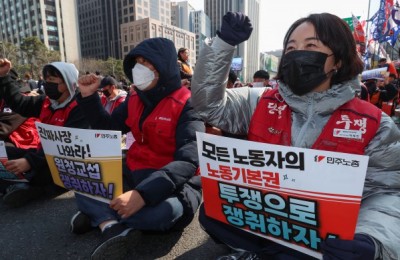
1. KCTU General Strike D-30: Prime Contractor Negotiations vs. Strike-First Criticism
- Parties: KCTU / Business & Government
- Current Situation: With the KCTU general strike set for July 15, the labor sector is pushing for "realization of negotiations with prime contractors." The business sector labels this "strike-first" behavior, leaving little room for compromise.
- Key Issues: Implementation of prime contractor negotiations for subcontracted unions under the "Yellow Envelope Act" (Amended Trade Union Act) and surplus profit distribution.
- Impact: Widespread strikes expected in manufacturing and service sectors, with potential ripple effects into the public sector.
2. KPTU Demands End to Wage Discrimination for Public Service Workers
- Parties: KCTU Public Service and Transport Workers' Union (KPTU) / Central Government Agencies
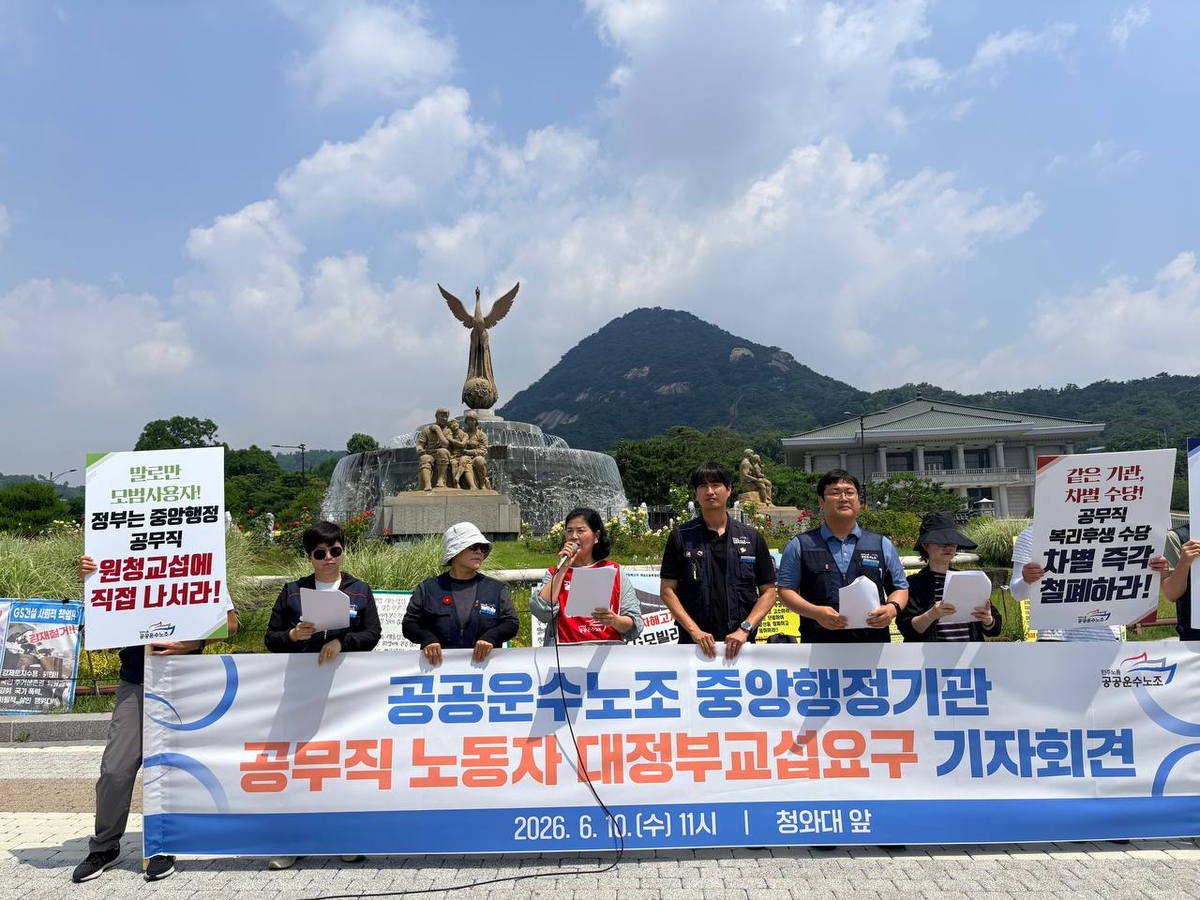
- Current Situation: On the 10th, the KPTU urged the government to eliminate pay and allowance discrimination for workers directly employed by central administrative agencies, demanding direct negotiations.
- Key Issues: Pay gaps between public service workers and regular staff, and deadlines for improving treatment of irregular workers in the public sector.
- Impact: Increased pressure for public sector wage system reform and budget allocation.
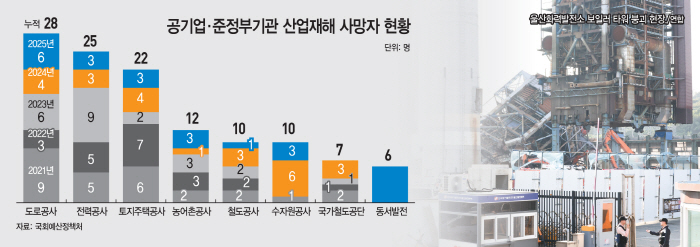
3. Public Institution Workplace Deaths Surge to 33: A Red Flag for Safety
- Parties: Public Institutions / Ministry of Employment and Labor / Unions including KPTU
- Current Situation: Workplace fatalities at public institutions jumped to 33 last year. The government is now looking into expanding safety management ratings and utilizing labor directors.
- Key Issues: Discrepancies in safety management capabilities across public institutions and the effectiveness of the Occupational Safety and Health Act (effective June 1).
- Impact: Increased demand from unions for additional safety personnel and budget to combat threats to worker safety.
Negotiation & Dispute Trends
-
Hyundai Motor Union: A strike vote is scheduled for the 25th after the 11th round of wage negotiations failed. Tensions between labor and management are deepening over profit distribution and wage hikes.
-
Gyeonggi-do KPTU: After discovering that the Gyeonggi Provincial Government produced a manual for "avoiding employer status," the union criticized it as a "calculated effort to evade responsibilities as a prime contractor" and demanded negotiations.
Industrial Safety & Labor Conditions
-
Surge in Public Institution Accidents: With 33 fatalities last year, gaps in management capability are exposed. The government is reviewing the role of labor directors and the expansion of safety management rating systems.
-
Occupational Safety and Health Act: Revised laws have been partially effective since June 1, introducing mandatory disclosure of safety and health status and penalties for failing risk assessments.
-
Stalled Minimum Wage Talks: With the Public Interest Committee rejecting minimum wage issues for piecework for the third consecutive year, unions are expected to resist strongly despite the government's obligation to conduct fact-finding surveys.
Policy & Legal Trends
-
Gradual Implementation of Safety Law: New provisions from the February 19, 2026, amendment are being phased in as of June 1. Stricter penalties for failing to conduct risk assessments are expected to force better safety management in public institutions.
-
Ministry of Employment and Labor Expansion: The government is investing 14.3 billion won into a nationwide project to address blind spots in workplace safety, targeting small businesses and vulnerable workers, including foreign laborers.
What to Watch Next
- July 15 KCTU General Strike: With 30 days left, the focus is on whether prime contractor negotiations materialize and how the government handles mediation. Watch the scale of public sector participation.
- Hyundai Motor Strike Vote (June 25): A bellwether for large-corporate wage negotiations; results could set the tone for public sector labor demands.
- Government-KPTU Direct Negotiations: Watching for the government's response regarding allowance discrimination, which will likely dictate upcoming public sector budget planning.
Reader Action Items
- Public Institution Union Activists: Review participation plans for the July 15 strike and prepare materials for union members outlining specific demands (wages, safety staff, ending discrimination).
- Public Institution Management: Review the checklist for compliance with the revised Occupational Safety and Health Act (e.g., safety disclosure, risk assessments) and consider the adoption of a labor director system.
- Government Policy Officials: Re-examine pay discrimination for public service workers and formulate budget plans. Proactively address disputes by clarifying the legal interpretation of the Yellow Envelope Act regarding prime contractor negotiations.
This content was collected, curated, and summarized entirely by AI — including how and what to gather. It may contain inaccuracies. Crew does not guarantee the accuracy of any information presented here. Always verify facts on your own before acting on them. Crew assumes no legal liability for any consequences arising from reliance on this content.
Powered by
