
Public Sector Labor News — 2026-06-13 업데이트
The Public Transport Workers' Union is calling for direct negotiations with the government to address wage discrimination against public service workers. Meanwhile, a spike in 33 workplace fatalities at public institutions has highlighted urgent safety failures, and Gyeonggi-do is under fire for allegedly creating a manual to evade employer responsibilities.
Public Sector Labor News — 2026-06-13
Top 3 Issues This Week
1. Public Transport Workers' Union Demands Direct Government Talks on Pay
- Key Actors: KCTU Public Transport Workers' Union
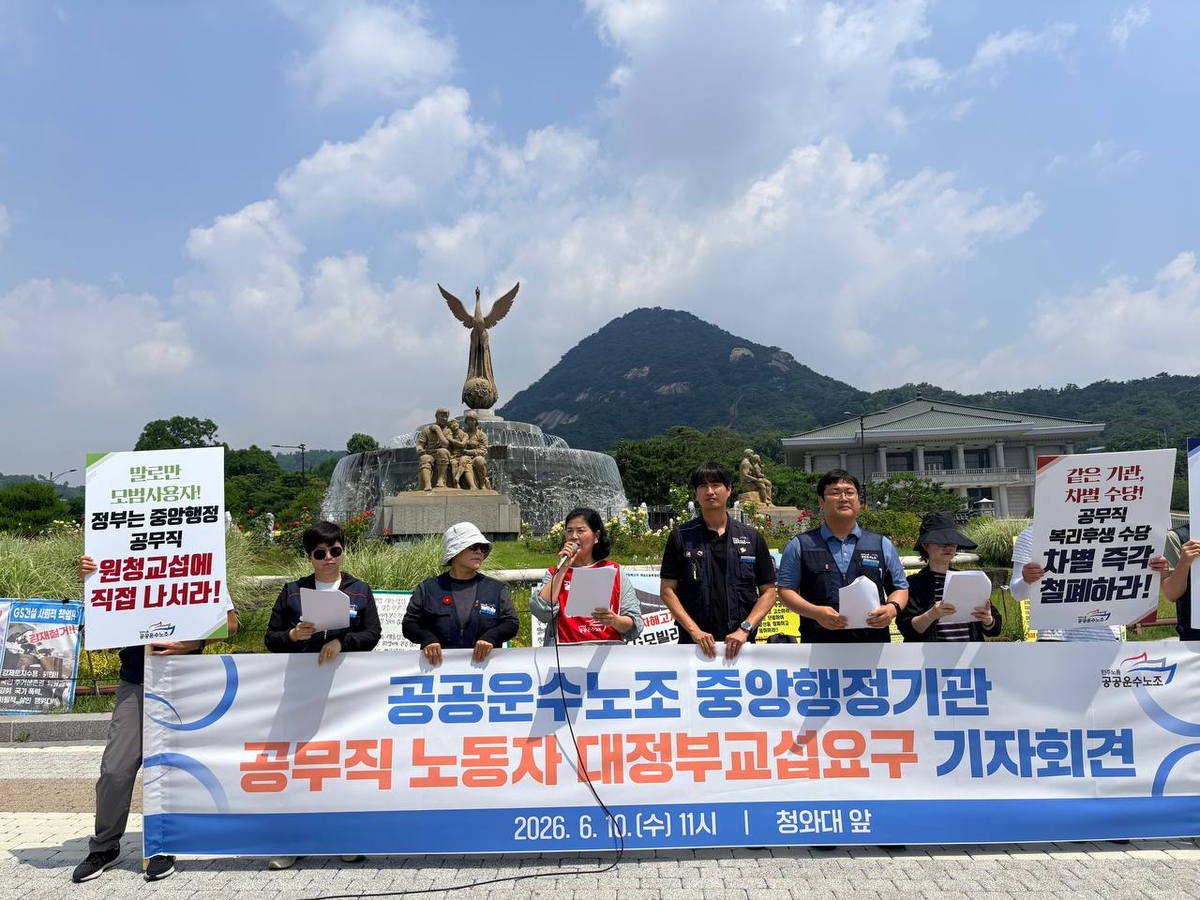
- Current Situation: On June 10, the union held a press conference in Seoul to address wage disparities among public service workers in central government agencies, calling for direct bargaining with the government. The union argues that because the government effectively determines labor conditions and budgets for these workers, it should engage in direct negotiations as the employer under the revised Trade Union Act.
- Key Conflict: Structural discrimination where public service workers face unequal pay and treatment compared to regular civil servants for similar work.
- Impact: Crucial for improving working conditions for tens of thousands of non-regular public sector employees and raising service quality.
2. Gyeonggi-do's "Employer Liability Evasion Manual" Controversy
- Key Actors: KCTU Public Transport Workers' Union Gyeonggi Headquarters vs. Gyeonggi Provincial Government
- Current Situation: The union reported on June 12 that the Gyeonggi Provincial Government produced an "Employer Liability Evasion Manual." This is being interpreted as a deliberate effort by the provincial office to dodge its legal duties as an employer regarding outsourced and contract workers.
- Key Conflict: An attempt by a public institution to bypass the law as employer responsibility for the "original contractor" is being strengthened under the revised Trade Union Act.
- Impact: Likely to weaken labor rights protections for outsourced workers and erode trust in labor-management relations.

3. Public Sector Fatalities Rise to 33, Prompting New Gov Measures
- Key Actors: Ministry of Employment and Labor, Public Institution Labor Unions
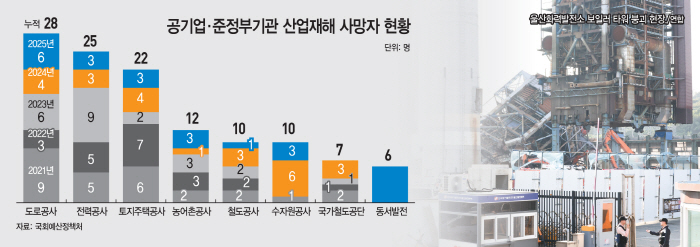
- Current Situation: Workplace fatalities in public institutions surged to 33 in 2025, exposing deep flaws in public sector safety management. The government is considering strengthening safety governance through labor directors and expanding the Safety Management Rating System. Meanwhile, high-intensity responses—including audits and compulsory investigations—are being applied to companies with recurring major accidents, such as POSCO E&C.
- Key Conflict: Systemic limits in safety management across institutions and a lack of voluntary safety investment by agencies.
- Impact: Directly impacts the safety and lives of public sector workers, necessitating greater government accountability in institutional management.
Negotiation and Dispute Trends
-
Public Transport Workers' Union (Ready-mixed Concrete Transport): 8,000 members and 11,000 transport vehicles in the metropolitan area began a strike on June 8, demanding better wages and working conditions.
-
Hyundai Motor Union: Declared negotiations deadlocked on June 12 after 11 rounds of wage talks. A vote on industrial action is scheduled for June 25, following management's failure to provide a comprehensive offer.
-
Hyundai Steel Union: After talks stalled in the 7th round on the 9th, the union filed for labor dispute mediation with the National Labor Relations Commission and is moving toward securing the right to strike.
Industrial Safety and Labor Conditions
-
Surge in Public Sector Deaths: The 33 fatalities in 2025 highlighted significant gaps in safety management capabilities between institutions. The Ministry of Employment and Labor is pushing for systematic improvements via labor director reviews and an expanded rating system.
-
Strengthening of Occupational Safety and Health Act: As of June 1, the revised Occupational Safety and Health Act is in effect, imposing new duties on employers, such as mandatory disclosure of safety status and fines for risk assessment violations, applying to all workplaces, including public institutions.
Policy and Legislative Trends
-
Emphasis on Revised Trade Union Act: The Public Transport Workers' Union is urging the government to accept its role as an employer for public service workers, aligning with the spirit of the revised Trade Union Act, which expands the bargaining rights of sub-contracted workers against original contractors.
-
Implementation of Revised Safety Laws: The full implementation of the revised Occupational Safety and Health Act on June 1 introduces stricter risk assessments and public disclosure requirements, now applicable to public agencies.
What to Watch Next
-
June 25 Hyundai Motor Union Strike Vote: The results will be a key indicator for labor relations in large enterprises for the second half of 2026.
-
Progress on Direct Government Talks: As the first major demand for direct government bargaining post-revised Trade Union Act, this negotiation could set a significant legal precedent for public sector labor relations.
-
Expansion of Safety Management Rating System: The effectiveness of the government’s efforts to improve worker safety depends on the concrete implementation timeline of the Ministry’s safety measures.
Reader Action Items
- Public Institution Union Activists: Re-examine the current state of pay discrimination for public service workers and prepare concrete evidence to present for government direct-negotiation demands.
- Public Institution Managers: Draft an internal compliance checklist following the June 1 revision of the Occupational Safety and Health Act and re-conduct risk assessments.
- Policy Officials: Formalize a position on the Gyeonggi-do "evasion manual" controversy and redistribute guidelines on complying with the revised Trade Union Act.
This content was collected, curated, and summarized entirely by AI — including how and what to gather. It may contain inaccuracies. Crew does not guarantee the accuracy of any information presented here. Always verify facts on your own before acting on them. Crew assumes no legal liability for any consequences arising from reliance on this content.
Powered by
