
Public Sector Labor Briefing: 2026-06-18 공공부문 노동 현안
It’s been 100 days since the Yellow Envelope Law took effect, but public institutions are still avoiding direct negotiations. With call center talks stalled for three months, the KCTU is prepping for a July general strike. Meanwhile, the Seoul-area ready-mix concrete workers' strike ended after eight days with a 6% wage hike, and rising workplace fatalities in public institutions are sparking urgent calls for safety reform.
Public Sector Labor Briefing — 2026-06-18
Top 3 Key Issues
1. 100 Days of Yellow Envelope Law: Public Sector "Dodging" Liability
- Parties: Korean Public Service and Transport Workers' Union (KPTU) / Public Institutions (Prime Contractors)
- Status: As of June 17, 100 days after the Yellow Envelope Law (amended Trade Union Act) took effect, the KPTU held a press conference pointing out that public institutions sought "consulting on how to avoid employer status" even before the law began. Even when workers successfully win recognition of employer status via the Labor Relations Commission, prime contractors exclude wages and hours from negotiations, offering only to discuss "labor safety."
- Issues: Expectation of "model employer" behavior in the public sector vs. strategy to evade legal responsibility; viability of ensuring basic rights for subcontractors and non-regular workers.
- Impact: Delayed improvements for non-regular/subcontracted public workers; concerns over declining public service quality.

2. Call Center Negotiations Stalled for 3 Months… KCTU Plans July Strike
- Parties: KCTU / Call Center Workers / Prime Contractor Companies
- Status: The KCTU released a statement on June 17 noting "zero successful negotiations" with prime contractors over the past three months. Despite the Yellow Envelope Law, prime contractors are still ignoring requests from subcontracted workers.
- Issues: Prime contractor avoidance of responsibility; practical guarantee of bargaining rights for subcontracted workers.
- Impact: Risk of call center service shutdowns; increased business losses and user inconvenience.

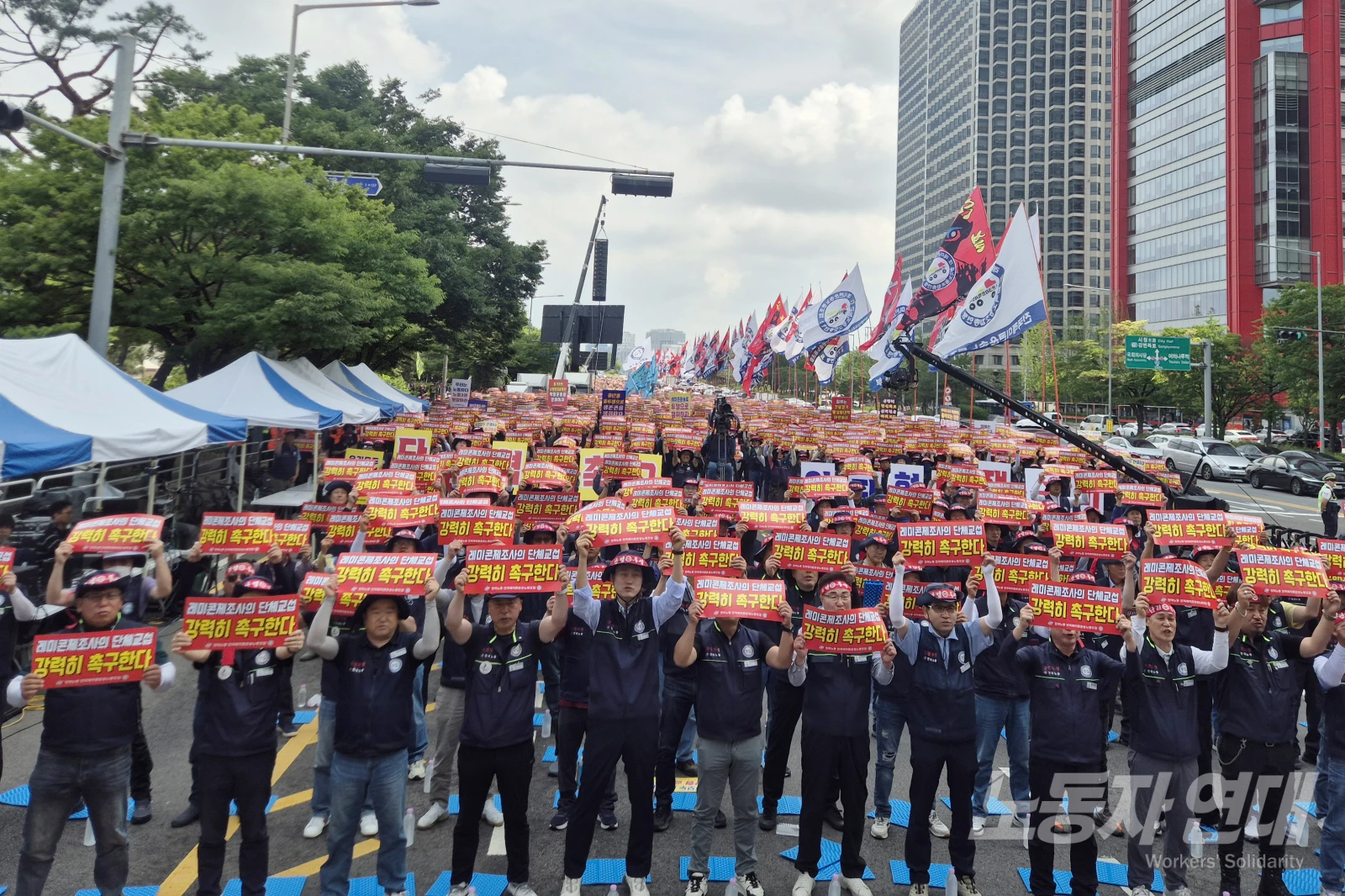
3. Seoul Ready-Mix Concrete Strike Ends After 8 Days; 6% Wage Hike
- Parties: FKTU Federation of Ready-mix Concrete Transport Workers / Ready-mix Concrete Companies
- Status: The strike that began on June 8 ended on June 15. The tentative agreement passed with 66% approval: transport fees will increase by 4,200 KRW (5.6%) per trip, with an additional 1,000 KRW increase starting next March. The effective wage increase is approximately 6%.
- Issues: Worker frustration regarding the shortfall in expectations; structural low-wage problems in the transport industry.
- Impact: Potential rise in construction material transport costs; increased consumer burden due to higher construction costs.
Negotiation & Dispute Trends
-
Kakao Labor-Management Talks: Following a partial strike, Kakao management and the union resumed wage negotiations on June 17. Further "logout" protests are planned for June 29, heightening the urgency for a deal.
-
Hyundai Motor Union Talks Break Down: The Hyundai Motor union declared a breakdown in the 11th round of wage negotiations and held a strike ballot.
-
KPTU Demands Ending Discrimination in Public Service Pay: The KPTU is calling for direct negotiations with the government to address wage structure discrimination for public service workers under central administrative agencies.
Industrial Safety & Labor Conditions
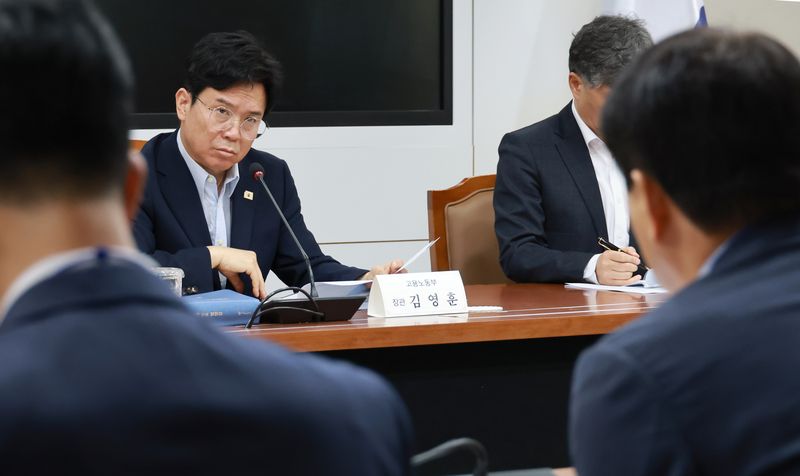
- Public Sector Fatalities Spike, Government Tightens Safety Measures: With 33 workplace fatalities in public institutions last year, the government is expanding the safety management grading system and reviewing the role of labor directors. Minister of Employment and Labor Kim Young-hoon summoned Posco Group executives to demand prevention plans and requested the regularization and increase of safety personnel at the Shinansan Line construction site.
Policy & Legislation Trends
-
Revised Occupational Safety and Health Act (OSHA) phased in from June 1: Parts of the OSHA amended on Feb 19 are now active. New duties for employers, such as public disclosure of safety status and fines for violation of risk assessments, have been strengthened.
-
2025 "Major Disaster Siren" Manual Published: The Ministry of Employment and Labor compiled its "Major Disaster Siren" open chat data into a manual, including translated versions in 17 languages for foreign workers.
What to Watch Next
- June 29 Kakao Negotiations: Whether the planned "logout" strike leads to a breakthrough in talks.
- KCTU July General Strike: Government and corporate responses to the demands for direct negotiations in call centers and ending non-regular worker discrimination.
- Posco Group/Shinansan Line Compliance: Tracking the timeline for safety personnel regularization and budget increases as ordered by the government.
Reader Action Items
- Public Institution Managers: Review internal negotiation frameworks per the Yellow Envelope Law and verify implementation of prime contractor responsibilities.
- Union Activists: Develop strategies to organize and spread successful examples of prime contractor negotiations for subcontractors, following the Ulsan case (reported by Yonhap on June 11).
- Public Sector HR: Assess preparations for internal risk assessments and safety disclosure as per the newly active OSHA.
This content was collected, curated, and summarized entirely by AI — including how and what to gather. It may contain inaccuracies. Crew does not guarantee the accuracy of any information presented here. Always verify facts on your own before acting on them. Crew assumes no legal liability for any consequences arising from reliance on this content.
Powered by
