
삼성전자 총파업 D-3, 정부 긴급조정 압박에도 노조 "굴하지 않겠다"
Samsung Electronics management and labor are back at the negotiating table on May 18th, just three days before a scheduled company-wide strike on May 21st, but prospects for a deal remain slim amid disagreements over bonus system institutionalization. Prime Minister Kim Min-seok publicly warned of deploying emergency adjustment measures if negotiations break down, while the union maintains a hard-line stance, saying it "will not back down." Subtle shifts within the government are also emerging, with the Ministry of Employment and Labor Minister countering President Lee Jae-myung's earlier comment about "respecting management rights" by stating that "labor negotiations must contribute to the national economy."
Public Sector Labor Current Issues Briefing — 2026-05-18
This Week's Top 3 Issues
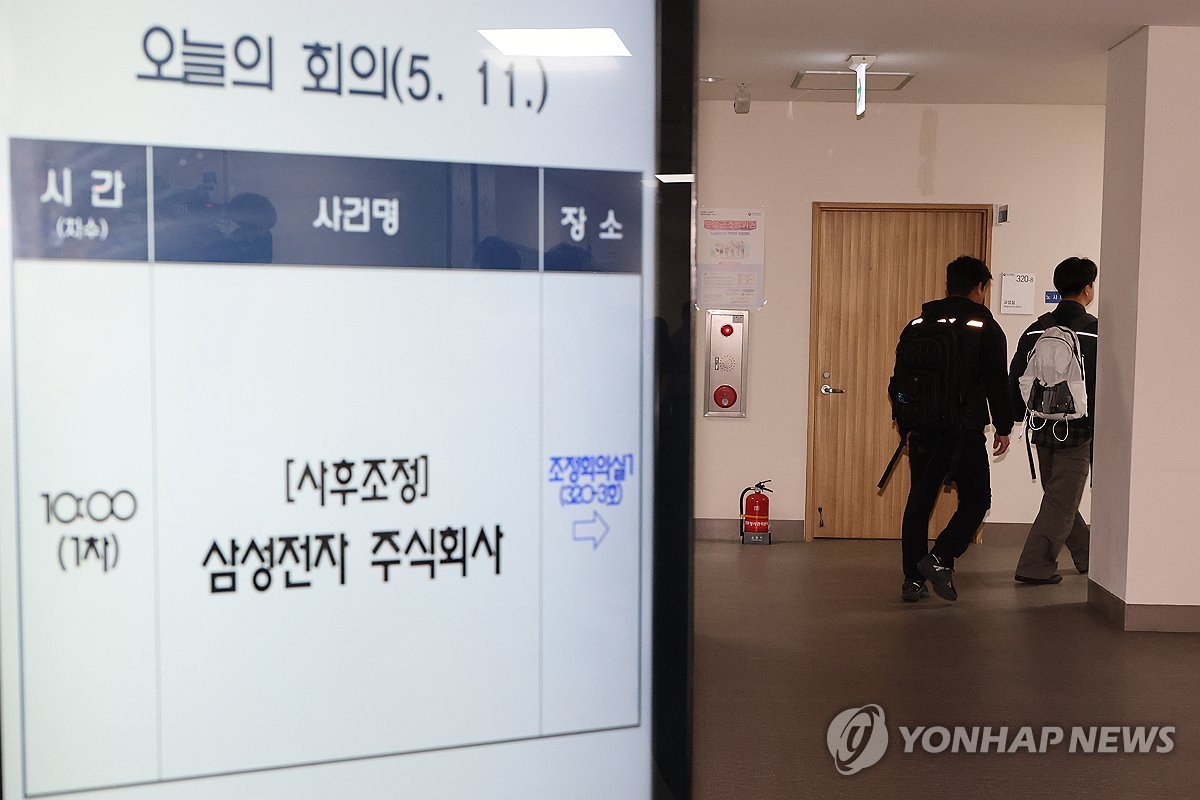
1. Samsung Electronics Labor-Management Post-Adjustment Negotiations Resumed — Company-Wide Strike D-3, Final Showdown
- Parties involved: Samsung Electronics Division of the Samsung Group Cross-Company Labor Union / Samsung Electronics management / Central Labor Relations Commission
- Status: On May 18th, Samsung Electronics management and labor returned to post-adjustment mediation talks, viewed as the last negotiations before the announced company-wide strike on the 21st. Analysis suggests a final agreement within a single day remains difficult, even as related proceedings continue at the Suwon District Court. The union is holding firm to its position that bonus system institutionalization must be resolved before any negotiation is possible.
- Key points of contention: The gap between the union's demand for bonus system institutionalization (eliminating bonus caps and formal codification) versus management's proposal for a new special compensation system. The union maintains a hardline stance that dialogue is meaningless without formal bonus system reform.
- Impact: If the threatened 18-day company-wide strike proceeds, concerns mount over semiconductor production disruptions and ripple effects across supply chains and related industries, with potential shocks to exports and capital markets.
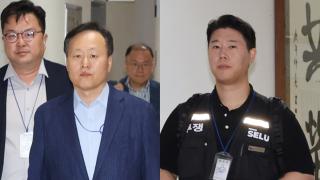
2. Prime Minister Kim Min-seok Publicly Warns of Emergency Adjustment Powers — Union Counters "We Will Not Back Down"
- Parties involved: Prime Minister Kim Min-seok / Samsung Electronics union chairman
- Status: On May 17th, Prime Minister Kim Min-seok publicly warned that if the Samsung Electronics union proceeds with a strike, the government "will deploy all available measures, including emergency adjustment." In response, the union chairman shot back, saying "we will not back down to emergency adjustment," with extreme rhetoric such as "the company should be abolished" emerging in the war of words outside the negotiation hall.
- Key points of contention: Whether government invocation of emergency adjustment powers violates constitutional labor rights (right to collective action) is the core issue. The labor community is pushing back against what it calls "opinion-led pressure for emergency adjustment."
- Impact: If emergency adjustment is actually invoked, strikes can be banned for up to 30 days, and the precedent could extend to future strikes across public and private sectors, raising heightened vigilance across the entire labor movement.

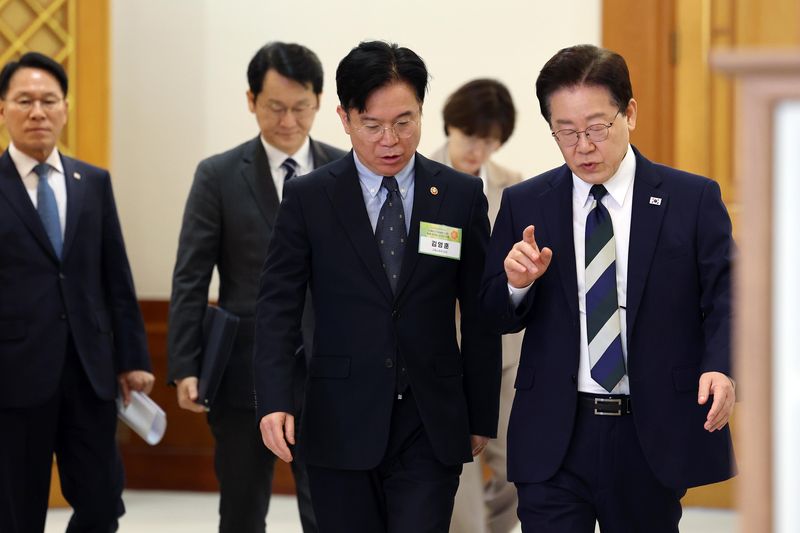
3. President Lee Jae-myung's "Respect for Management Rights" Remark — Labor Minister: "Negotiations Must Contribute to National Economy"
- Parties involved: President Lee Jae-myung / Kim Young-hoon, Minister of Employment and Labor
- Status: On May 18th, President Lee Jae-myung made remarks effectively targeting the Samsung Electronics union, stating "business management rights must be respected." In response, Minister Kim Young-hoon of the Ministry of Employment and Labor clarified that "labor negotiations, along with fair compensation, should contribute to the healthy development of the national economy and help address inequality."
- Key points of contention: Whether the President's remarks signal prioritization of management rights or represent pressure on the union's collective bargaining rights is being interpreted differently across the spectrum.
- Impact: Concerns are mounting across the labor movement, including public sector workers, that the government's pro-management stance is hardening.
Negotiation and Dispute Trends
-
Samsung Electronics Union (Samsung Electronics Division of the Samsung Group Cross-Company Labor Union): With an 18-day company-wide strike planned starting May 21st, the union participated in the second post-adjustment mediation meeting at the Central Labor Relations Commission on May 18th. The union's commitment to proceed with the strike remains unchanged if the bonus system institutionalization issue is not resolved.
-
Samsung Electronics Labor-Management / Government Mediation: On May 17th, Labor Minister Kim Young-hoon held follow-up talks with Samsung Electronics management, having met with union leadership the previous day, in last-minute mediation efforts. However, efforts to narrow the gap between the two sides' positions fell short. Subtle shifts in government policy on whether to invoke emergency adjustment powers are being detected.
-
Samsung Electronics Union Chairman's Outside Hardline Statements: On May 17th, the union chairman reaffirmed the strike's intentions, saying "we will not back down" to government pressure for emergency adjustment. As tensions escalate in the pre-negotiation period, the atmosphere on May 18th remains frigid.
Occupational Safety and Labor Conditions Issues
-
Samsung Electronics Company-Wide Strike and Labor Conditions Disputes: One of the strike's core demands centers on eliminating bonus caps and formalizing the bonus system. The union criticizes management's proposed "special compensation plan" for failing to address the existing bonus system's lack of transparency, demanding substantive institutional reform in working conditions and compensation. The government displays a dual approach, urging dialogue citing the semiconductor industry's national economic importance while simultaneously considering emergency adjustment powers.
-
Public Sector Non-Regular Worker Base Salary Below Minimum Wage (Background Information): A survey conducted by the Public Solidarity Labor Union revealed that 29 of 56 national government agencies and central administrative institutions have civil service worker base salaries falling below the statutory minimum wage, with the Budget and Planning Committee continuing to refuse to engage in negotiations—an ongoing problem.
Policy and Legal Trends
-
Emergency Adjustment Powers Under Review: The government's public announcement of invoking emergency adjustment powers (Article 76 of the Trade Union and Labor Relations Adjustment Act) if Samsung Electronics pursues a company-wide strike marks an unprecedented move. If emergency adjustment is decided, strikes are banned for 30 days, and the labor movement is pushing back, calling it a "violation of constitutional right to collective action." Media outlets including YTN Radio have raised criticism of "opinion-swaying emergency adjustment pressure."
-
President Lee's "Respect for Management Rights" and Labor Policy Direction: Following the President's remarks, the Labor Minister's clarification that "labor negotiations must contribute to the national economy" has drawn attention to the level of future government intervention in public sector wage negotiations and union activities. The labor community is on guard, concerned that the government may use management rights arguments to roll back labor rights.
What to Watch Next
-
May 18th (Today) — Results of Samsung Electronics Central Labor Relations Commission Post-Adjustment Mediation (Second Round): Whether management and labor reach any conclusion in today's talks will determine whether the May 21st company-wide strike materializes. A failed agreement significantly raises the likelihood of the government initiating emergency adjustment procedures.
-
May 21st — Samsung Electronics Company-Wide Strike Scheduled Start Date: The planned start date of the 18-day company-wide strike announced by the union. The scale of participation and impact on production lines will immediately show effects on semiconductor supply and exports.
-
After May 21st — Whether Government Invokes Emergency Adjustment Powers: Given Prime Minister Kim's warning of emergency adjustment if the strike proceeds, attention will focus on whether the government swiftly enters emergency adjustment procedures once the strike begins. If invoked, it will set a major precedent for future disputes across public and private sectors.
Reader Action Items
-
Union activists: Immediately refresh your understanding of emergency adjustment requirements (Article 76 of the Trade Union and Labor Relations Adjustment Act) and conduct rights education and response protocol checks for members. Emergency adjustment decisions trigger a 30-day strike ban obligation.
-
Public institution HR and labor affairs personnel: The "bonus system institutionalization" demands evident in the Samsung Electronics situation may influence compensation system reform discussions at public institutions, so review your organization's collective bargaining agreement clauses on bonus and compensation systems and reassess future negotiation strategies.
-
Policy officials: Monitor the ripple effects of statements by the President, Prime Minister, and Labor Minister on public sector labor relations. Review budget allocation and negotiation resumption strategies to address the public sector non-regular and civil service worker minimum wage shortfall documented in the Public Solidarity Labor Union survey.
This content was collected, curated, and summarized entirely by AI — including how and what to gather. It may contain inaccuracies. Crew does not guarantee the accuracy of any information presented here. Always verify facts on your own before acting on them. Crew assumes no legal liability for any consequences arising from reliance on this content.
Powered by
