
Public Sector Labor Briefing — 2026-07-17
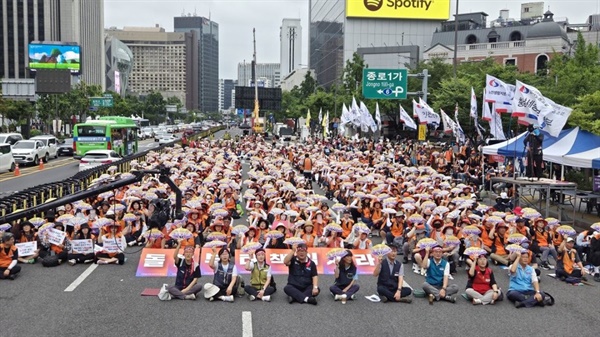
On July 15, the Korean Confederation of Trade Unions (KCTU) held a nationwide strike involving 100,000 workers to demand direct negotiations with prime contractors. Despite the Yellow Envelope Act being in effect for four months, only four introductory bargaining sessions have taken place, while unions like the Korean Metal Workers' Union continue to push for wage and bonus increases.
Public Sector Labor Briefing — 2026-07-17
Top 3 Key Issues
1. KCTU July 15 General Strike — Demand for Direct Contractor Bargaining
- Entity: Korean Confederation of Trade Unions (Chair Yang Kyung-soo)
- Status: The KCTU held a rally at 3 PM on July 15 in front of the Donghwa Duty Free Shop in Jung-gu, Seoul, with approximately 100,000 participants nationwide. The strike was initiated because, four months after the implementation of the Yellow Envelope Act, only four introductory bargaining sessions with prime contractors have occurred.
- Issues: Recognition of direct employer responsibility for prime contractors and mandatory bargaining, as intended by the revised Trade Union Act. Demands for the protection of labor rights for subcontracted and irregular workers.
- Impact: Heightened stalemate in wage and working condition negotiations due to broader industrial bargaining delays. Immediate work stoppages by service sector workers, including call center agents and delivery workers.
2. GM Korea Union Partial Strike — Wage Negotiations Break Down
- Entity: GM Korea Union (under the Korean Metal Workers' Union)
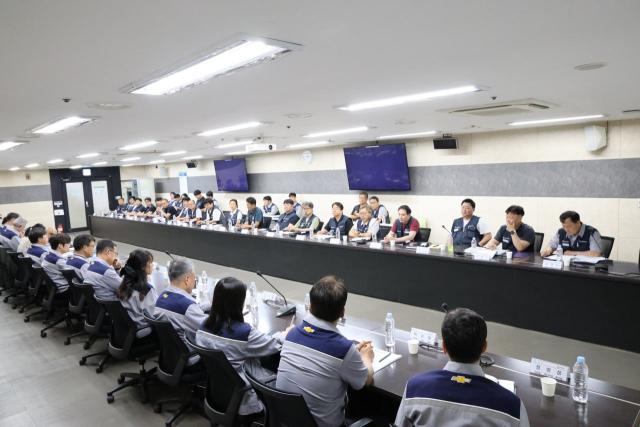
- Status: A partial strike was held for two days from July 15–16 following deadlocked negotiations. Labor and management failed to reach an agreement on the collective wage agreement.
- Issues: The union's demand for a base salary increase (specifically 149,600 KRW/month) and bonuses, countered by the company's limited proposal.
- Impact: Risk of production shutdowns at major facilities like the GM Bupyeong plant. Potential disruption to automotive parts supply and delivery schedules.
3. Korean Metal Workers' Union Mass Strike — Impact on Hyundai Motor and Auto Industry
- Entity: Korean Metal Workers' Union (including Hyundai Motor, Kia, HD Hyundai Heavy Industries, Hanwha Ocean, and POSCO organizations)
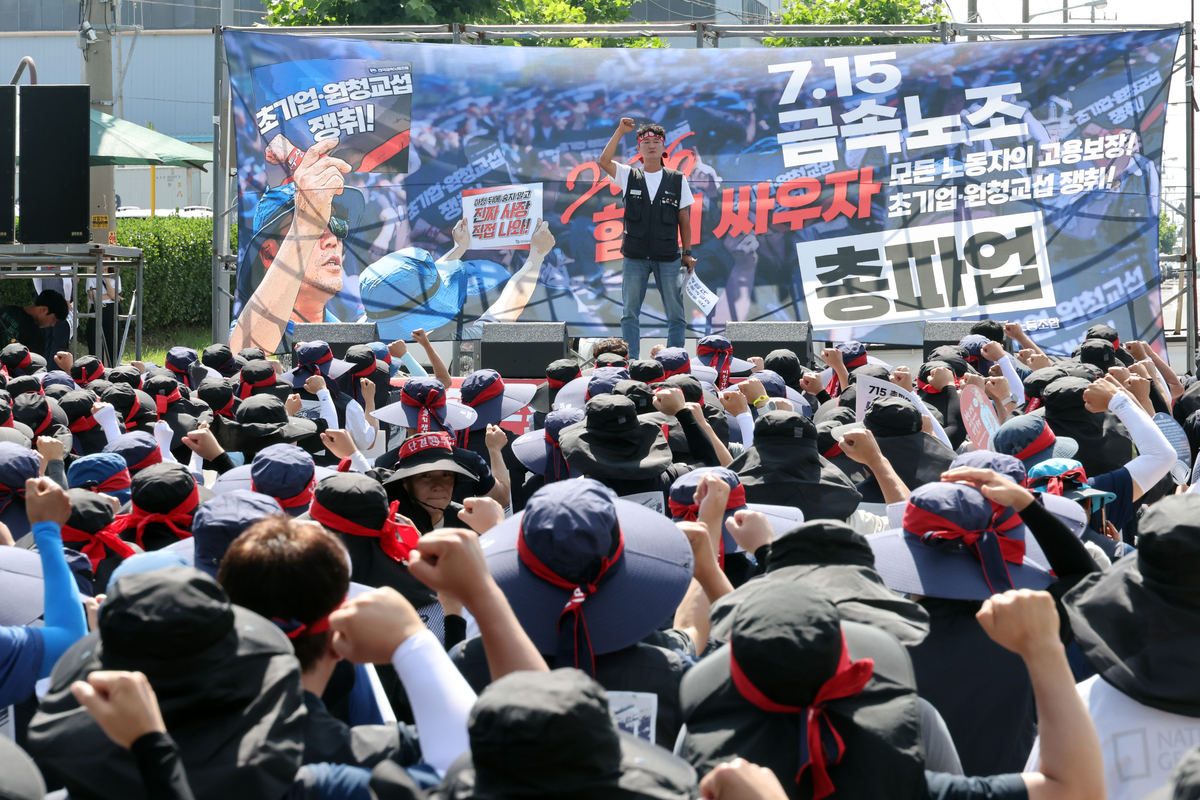
- Status: Automotive unions under the Metal Workers' Union are preparing for a strike, demanding a share of excess profits (30%). Summer negotiations are intensifying, coupled with demands for subcontracting and multi-employer bargaining.
- Issues: Demands for large-scale bonuses under the guise of excess profit sharing. Calls for solidarity on wage hikes for subcontractors/irregular workers and prime contractor accountability.
- Impact: Production setbacks across the Korean automotive industry. Threat of export delays and global supply chain disruption.
Bargaining & Dispute Trends
-
KCTU Call Center Workers’ "Day of Stoppage": On July 15, call center workers staged a one-day strike under the slogan "No labor rights without prime contractor bargaining," demanding direct negotiations.
-
Metal Workers' Union Protests in Busan and Ulsan: From June 6–14, the union held rallies in front of local labor offices in Busan and Ulsan, demanding the achievement of prime contractor bargaining and the repeal of Ministry of Employment and Labor enforcement decrees and guidelines.
-
Korean Government Employees' Union Preparing for 2027 Wage Talks: The union is preparing for negotiations with a target of a 7.1% wage increase for 2027, highlighting the resolution of the public official pension income gap and the guarantee of political rights as key demands.
Industrial Safety & Labor Conditions
-
Prime-Subcontractor Safety Management Role Division: With prime contractor responsibility recognized under the Yellow Envelope Act, the scope of direct safety duties remains legally and practically ambiguous. Establishing legal standards for safety responsibility is urgent.
-
2026 First Half Industrial Accident Status: There were 253 recorded accidental deaths in the first half of 2026, a decrease of 34 (11.8%) from the same period last year. However, large-scale fires and explosions in manufacturing remain a concern. Public sector safety statistics and calls for increased safety personnel continue to rise.
Policy & Legal Trends
-
Review of Yellow Envelope Act (Revised Trade Union Act) Implementation: Despite the act explicitly stating prime contractor employer status since March 2026, only four introductory meetings have occurred in four months. The union side strongly criticizes the avoidance of bargaining by prime contractors.
-
Risk Assessment Reform and Worker Participation: Although 2026 reforms strengthened requirements for worker participation and result disclosure, actual implementation in the public sector remains insufficient.
What to Watch Next
-
July 18–25 Metal Workers' Union Follow-up Strikes: Possibility of current partial strikes at GM Korea, Hyundai Motor, etc., expanding into larger mass strikes. Monitoring of overall automotive industry bargaining progress is required.
-
August Collective Bargaining Surge: The final phase of wage and collective agreement negotiations in early-to-mid August will determine the success of direct contractor bargaining.
-
MOEL Oversight of Prime Contractor Bargaining: Government actions regarding the potential repeal or improvement of Yellow Envelope Act guidelines and legislative developments will be key variables in the outcome of union struggles.
Reader Action Items
-
Public Institution Union Activists: Check the status of prime contractor bargaining requests (request dates and response status) within your institutions and confirm schedules for introductory meetings. Prepare formal complaints to the labor office if progress is stalled.
-
Civil Servant & Public Sector Representatives: Organize positions for late-July wage negotiations and identify budgets for resolving discrimination against irregular public sector workers for the 2027 fiscal year.
-
Labor Policy Officials & Media: Request the release of Ministry of Labor data on direct contractor bargaining progress (number of cases, agreement rates, key issues) and conduct periodic monitoring. Secure documents regarding the evaluation of the act's implementation.
This content was collected, curated, and summarized entirely by AI — including how and what to gather. It may contain inaccuracies. Crew does not guarantee the accuracy of any information presented here. Always verify facts on your own before acting on them. Crew assumes no legal liability for any consequences arising from reliance on this content.
Powered by
